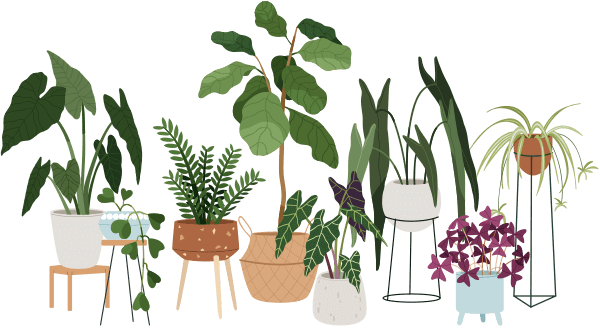

Repotting plants can feel daunting, especially if you’ve lost a leaf or two in the past. Don’t worry—everyone has been there! Even the most enthusiastic plant lovers have once toppled a pot or broken a root. The good news? You can easily learn the best tips for repotting plants and give your green friends a healthy boost, right from your apartment. With the right steps, a gentle hand, and a little patience, you’ll help your houseplants thrive with fresh soil and room to grow.
Whether your pothos is looking a bit cramped, your succulent’s soil dries too quickly, or you’re just not sure what that tangle of roots means—this guide is for you. Let’s walk through the best tips for repotting plants together, banishing stress and building your plant-care confidence!
When Should You Repot Your Plants?
Before you gather your pots and bags of soil, it helps to know when your plant really needs a change. Here are some easy-to-spot signs:
- Roots poking out of the drainage holes
- Soil dries out super fast after watering
- Water pools on the surface and doesn’t absorb
- Growth seems to have slowed down or stopped
- You notice roots circling tightly when you slip it out of its container
If you spot one or more of these signs, it’s probably time to repot. Generally, most houseplants need repotting every 1-2 years.
What Supplies Do You Need for Repotting?
Don’t worry, you don’t need a lot of fancy gear. Here’s what will make repotting easier (and neater):
- Your plant (ready and willing!)
- A new pot (1-2 inches wider than the old one, with drainage)
- Potting soil (pick one suited for indoor plants)
- Small trowel or big spoon
- Scissors or pruners (for snipping off any dead bits)
- Gloves (optional, but good for prickly plants)
- Sheet, newspaper, or a tray (helps keep your space tidy)
How to Repot a Plant: Step-By-Step for Beginners
Learning how to repot a plant is easier when you break it down. Let’s keep this simple and stress-free:
Step 1: Prepare Your Workspace
Cover your table or floor with paper or a tray to catch soil. Have your supplies within reach.
Step 2: Remove the Plant Gently
Tip the pot sideways, support the plant at the base, and tap the pot gently. Wiggle if needed! If it’s stubborn, slide a butter knife around the edge.
Step 3: Loosen the Roots
Gently loosen any compacted roots. If they’ve grown in a tight spiral (root bound), untangle them as best as you can. If there are dead or mushy roots, trim them off.
Step 4: Add Soil to the New Pot
Place a layer of fresh potting soil at the bottom of the new pot. This gives roots space to settle.
Step 5: Place the Plant in the Pot
Set the plant in the center. Add soil around the sides, tapping gently to fill in gaps. Leave some space at the top so you can water easily.
Step 6: Water and Settle In
Water your plant thoroughly. If the soil settles a lot, add a bit more on top.
Job done! Place your plant back in its usual spot, avoiding direct sun for a couple of days.
What Are the 5 Most Common Repotting Mistakes (And How to Avoid Them)?
Even experienced plant parents make mistakes. Here’s how to dodge the most common ones:
1. Using a pot that’s too big. Stick to one that’s just a size up—too much soil can mean soggy roots.
2. Ignoring drainage. Always choose pots with holes in the bottom.
3. Too much root handling. Be gentle—a little loosening is enough.
4. Not checking for pests. Look for bugs before you move your plant.
5. Overwatering after repotting. Only water when the top inch of soil feels dry after the initial drink.
Why Repotting Doesn’t Kill Your Plant—Myth Busted!
It’s a huge misconception that repotting will “shock” your plant to death. If you’re kind to the roots and use fresh soil, most plants will perk up faster than you expect. Yes, leaves might droop or yellow briefly—this is normal. With the best tips for repotting plants, you’ll see healthy new growth in a few weeks.
Best Tips for Repotting Plants in Small Spaces
Apartment dwellers: don’t let space hold you back! Here are some clever tricks:
- Lay down a plastic mat or tray for easy clean-up
- Repot in your bathtub or shower to contain mess
- Choose lightweight pots for easy moving
- Work near a window for good light, but avoid hot sun
What Should You Do After Repotting?
Aftercare is key! Place your plant somewhere it’ll get its regular light, and avoid fertilizing for about a month, as fresh soil is already nutrient-rich. Watch closely for drooping or yellow leaves—they often perk up soon after.
Summary: The Best Tips for Repotting Plants Boost Growth & Happiness
Repotting isn’t about perfection—it’s about giving your plant more space and fresh energy. Remember, the best tips for repotting plants are to be gentle, use the right pot, and keep things simple. You’ll build skills (and confidence!) every time. Soon, you’ll see your plants looking brighter, bushier, and bursting with new roots. Happy repotting!