Are your houseplants looking a little sluggish, or maybe you’re just wondering *does repotting plants help them grow*? If you’re a beginner plant parent living in an apartment, you might feel unsure about when or why to repot. Maybe you’ve even heard scary stories about repotting disasters.
But don’t worry—repotting isn’t as intimidating as it sounds, and yes, you absolutely can do it right (and help your plants thrive)! Let’s dig into the truth about whether repotting plants actually helps them grow, when you should do it, and how to make the process easier and gentler for both you and your leafy companions.
Does Repotting Plants Help Them Grow?
Short answer: *In most cases, yes—repotting does help plants grow!* When you refresh a plant’s soil and give its roots more space, you’re setting up a healthier environment for growth. It’s almost like giving your plant a new lease on life!
You might wonder why, though. Here’s what actually happens:
- Fresh nutrients: Over time, the soil in a plant’s pot loses its nutrients, like a fridge running out of groceries. Repotting adds a fresh supply.
- Root breathing room: Roots need room to spread out, soak up water, and “breathe.” If your plant is root-bound (roots circling tightly around the pot), growth can stall.
- Better water flow: Old soil can become compacted or hold onto too much water, making it hard for roots to access oxygen. Fresh soil drains better, preventing rot.
So, if your plant seems stuck or “sad,” you’re not alone—it might *literally* be crying out for a new pot! But remember, repotting at the right time is key.
How Do I Know When My Plant Needs Repotting?
Not every plant needs constant repotting. Watch for these simple signs:
1. Roots poking out: Check drainage holes—are roots escaping?
2. Stunted growth: Your plant’s stopped growing, even in the right season.
3. Water runs straight through: Water pours out the bottom because the roots fill the pot.
4. Soil dries out super fast: Another sign roots have taken over.
5. Yellowing or wilting leaves: Sometimes, a sign of poor soil or crowded roots.
If you spot one or more of these, it’s probably time for a change!
Will Repotting Shock or Hurt My Plant?
It’s a common myth that *all* repotting is dangerous. The truth is: while moving can be stressful for plants, careful and gentle repotting rarely harms them long-term.
Here’s how to minimize stress:
- Water the plant a day before repotting, so it’s hydrated.
- Loosen the root ball gently; don’t tug or break roots.
- Use fresh potting mix that drains well (not garden soil).
- Pick a pot only 1–2 inches wider than the old one.
- Place the plant at the same soil level as before.
If your plant droops for a few days after repotting—don’t panic—that’s normal. Think of it like adjusting after moving to a new home!
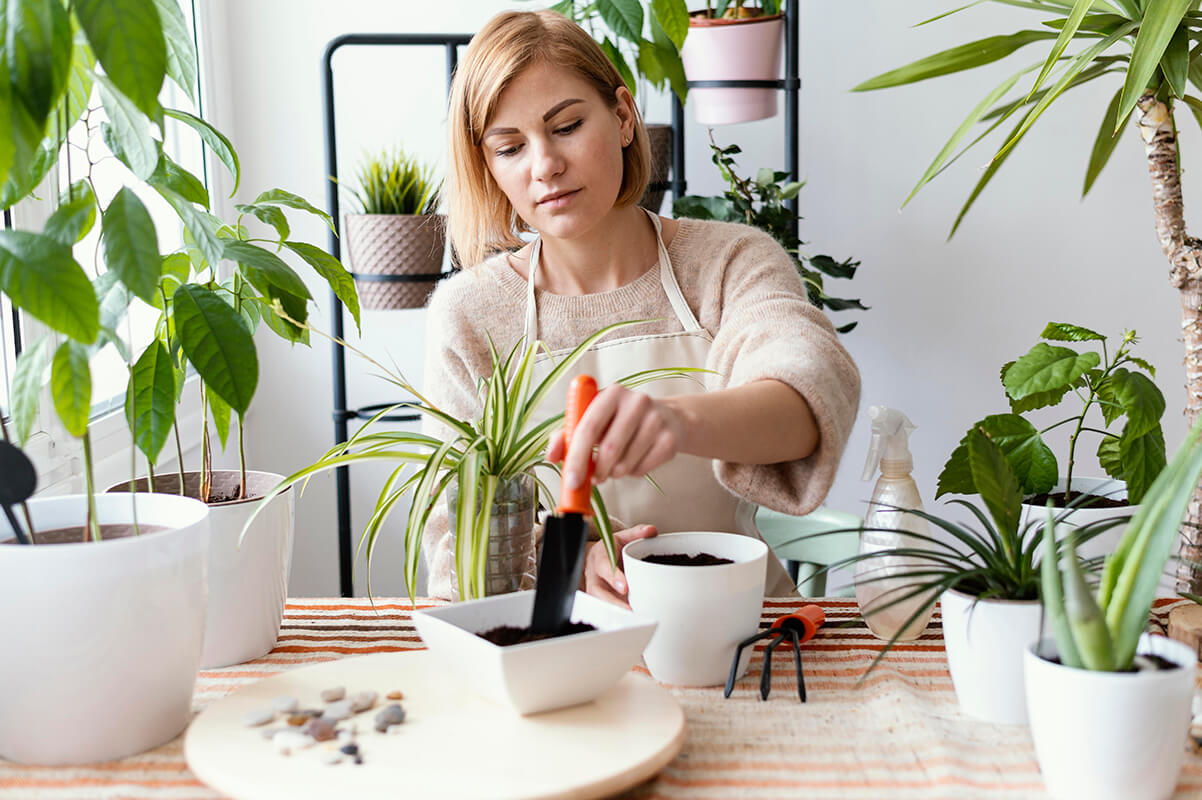
Simple Steps: How to Repot Your Apartment Plant
Worried about a big mess? Here’s how to repot houseplants, even in small spaces:
1. Prepare your space: Cover your table with newspaper or a plastic bag.
2. Gently loosening: Slide the plant out. Squeeze the pot if it’s plastic.
3. Tease roots without tearing: If roots are tangled, nudge them gently apart.
4. Add new soil: Place a layer of fresh potting mix at the bottom of the new pot.
5. Place the plant in: Fill around the sides with soil, pressing gently.
6. Water well: Let the plant settle in. Wipe any dirt off leaves.
Tip: Save old pots for future babies or plants that outgrow their homes.
Common Misconception: Bigger Pots Mean Bigger Plants?
Many people believe jumping straight to a huge pot will supercharge growth. *That’s not true!* Too much soil can hold extra water, leading to rotten roots. Always size up slowly—one size at a time.
Key Tips for Happy Repotting in Apartments
- Use saucers or catch trays to protect floors.
- Target spring or early summer for most repotting.
- Don’t fertilize right after—wait a month since fresh soil has nutrients.
- Never worry if something doesn’t go 100% right; most houseplants are tougher than we give them credit for!
Summary: Does Repotting Plants Help Them Grow?
Absolutely! For houseplants that have outgrown their pots or whose soil is tired, repotting truly does help them grow. You’ll notice fresher leaves, brighter colors, and sometimes faster growth. The most important thing is to repot with love and patience—every plant parent makes mistakes along the way. So, if you’re asking yourself, “*does repotting plants help them grow*?”—the answer is a confident, friendly yes!