Starting your indoor jungle doesn’t have to mean buying dozens of new plants. What if you could turn *one* favorite into two, or even ten? That’s where discovering *indoor plant propagation methods* comes in. Whether you’ve tried and failed before (no shame in that) or you’re just starting out, learning a few straightforward tricks can transform your apartment into a lush green oasis—no fancy gear or garden required.
Below, you’ll find the best beginner-friendly indoor plant propagation methods, how to do each one, and some honest advice on what actually works inside small spaces. Don’t worry if you’re nervous. Everyone starts somewhere—propagation is forgiving, fun, and often easier than it sounds.
What Are Indoor Plant Propagation Methods?
Put simply, *indoor plant propagation methods* refer to ways you can make new plants from existing ones, all inside your own home. Instead of seeds, most people start with parts of the plant they already have—like stems or leaves. The big advantage? You get more beautiful greenery for free.
Which Indoor Plant Propagation Methods Are Easiest for Beginners?
Most houseplants don’t mind being multiplied. Here are the most reliable ways to do it at home—no garden, greenhouse, or experience necessary:
1. Water Propagation (Best for Pothos, Monsteras, and More)
Water propagation is as easy as putting a cutting—a piece of stem with a leaf—into a glass of water. Here’s how you do it:
1. Snip a healthy stem right below a leaf node (the little bump where a leaf grows).
2. Put the stem in a clear jar of water, making sure the node is covered.
3. Place it where it gets bright but indirect light.
4. Change water every few days to keep it fresh.
5. Wait for roots to appear—this might take 1–4 weeks.
Tip: Not all plants root this way, but pothos, philodendrons, and some succulents are very forgiving.
2. Division
Some houseplants like peace lilies and snake plants naturally grow in clumps. To propagate by division:
- Gently remove the plant from its pot.
- Separate the roots so each new plant has both leaves and roots.
- Pot each piece on its own.
This is best done when repotting, and it’s almost foolproof.
3. Leaf Cuttings
Try leaf cuttings with plants like African violets or snake plants:
- Cut a healthy leaf, including a bit of its stem.
- Push the cut tip into moist soil or a damp paper towel.
- Keep warm and wait—new plants often sprout right from the base.
4. Stem Cuttings in Soil
Some plants (like coleus or basil) root even more easily in moist soil:
1. Cut below a leaf node on a healthy stem.
2. Remove extra leaves.
3. Stick the cut end into damp potting soil.
4. Mist regularly and keep warm.
5. Offsets (Also Known As “Pups”)
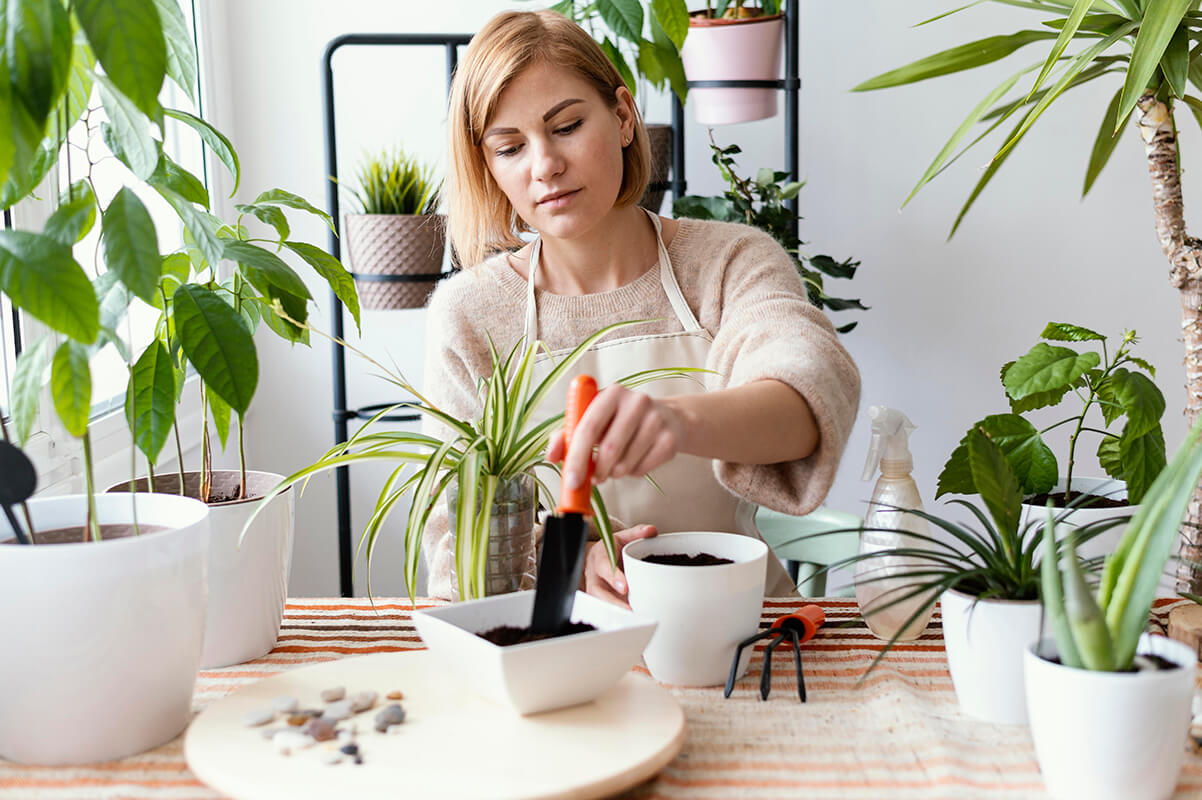
Some plants, like spider plants and aloe, grow baby plants attached to the parent. Just snip an offset close to the base and pot it up!
Common Myth: Do Indoor Plants Need Special Hormone Powders to Root?
Not usually! You may see rooting hormones in stores, but most common houseplants root just fine with water or soil, patience, and care. If you want to experiment later, go for it, but don’t let the lack of powders and special potting mixes stop you.
Quick Troubleshooting Tips
If your cuttings look sad, don’t panic. It’s normal for some to fail! Here are ways to up your odds:
- Always use a clean, sharp knife or scissors.
- Don’t leave cuttings in dark corners—light helps!
- Be patient. Some plants root fast (pothos), others take weeks (succulents).
- If in doubt, try a few methods at once.
How Can I Choose the Right Indoor Plant Propagation Method for My Apartment?
Start with what’s already growing well for you. If you have a plant that’s thriving, try snipping a piece and rooting it in water—that’s usually the least messy and works well in small apartments. If your plant has pups, like a spider plant or aloe, division and offsets are simple and almost guaranteed to succeed.
Summary: Why Try Indoor Plant Propagation Methods?
Exploring indoor plant propagation methods opens up a world of free, fun greenery. You don’t need a garden or fancy supplies—just a willingness to give it a go. With practice and a little patience, you’ll soon be sharing your own plants with friends or simply filling your space with more life. Remember, everyone learns by doing, so don’t stress if you make a few mistakes. The path to a thriving plant collection starts with just one cutting.