Anyone who cares for houseplants has wondered: is watering plants at night a good thing or a big mistake? Maybe your days are busy, or the evening simply feels like the most peaceful time for plant care. If you’re worried you’ve made a watering misstep or want to learn the best routine, you’re in the right place. This guide to watering plants at night is here just for you—no judgment, just honest, practical advice.
Why Do People Worry About Watering Plants at Night?
You may have heard warnings about watering plants at night: “It causes mold!” “Your plants will rot!” While these messages are common, they aren’t always the whole story, especially for apartment gardeners. Understanding the reasoning behind these concerns can help you decide what’s best for your own houseplants.
What Actually Happens When You Water Plants at Night?
When you water your plants at night, the moisture sits on the soil and leaves without the sun to dry it quickly. Outdoors, this can lead to disease or fungal growth, since water droplets may remain on leaves for hours. For most indoor plants, however, airflow and less intense sunlight mean the risks of problems like fungus are much lower. Plus, the controlled environment of your home helps prevent the worst issues.
Key things that could happen if you water plants at night:
- Soil stays moist longer, which can possibly lead to soggy roots.
- Water on leaves may last longer, sometimes causing spots or mildew if the room is very humid.
- Cooler night temperatures slow evaporation.
When Is Watering Plants at Night Bad for Houseplants?
The biggest risk is overwatering, not the time of day. If your plants’ roots sit in soggy soil, they can suffocate, leading to root rot—a common cause of plant troubles.
Warning signs your plant has been overwatered:
- Yellowing or mushy leaves
- Funky smells from the soil
- Wilting, even though the soil is wet
So, if you tend to give your plant too much water, watering plants at night may make it worse because the water won’t evaporate as rapidly. Instead, aim for just enough moisture and let the top of the soil dry out between waterings.
Common Myth: “Watering At Night Always Kills Plants”
Let’s clear this up—watering plants at night *doesn’t* automatically mean disaster for your beloved greenery. Many apartment gardeners actually water their plants in the evening after a busy day, and their plants thrive just fine. The key is moderation and good airflow.
Top Tips for Watering Plants at Night Safely
If evenings are the best time for you to care for your plants, go ahead and water—but keep these simple tips in mind:
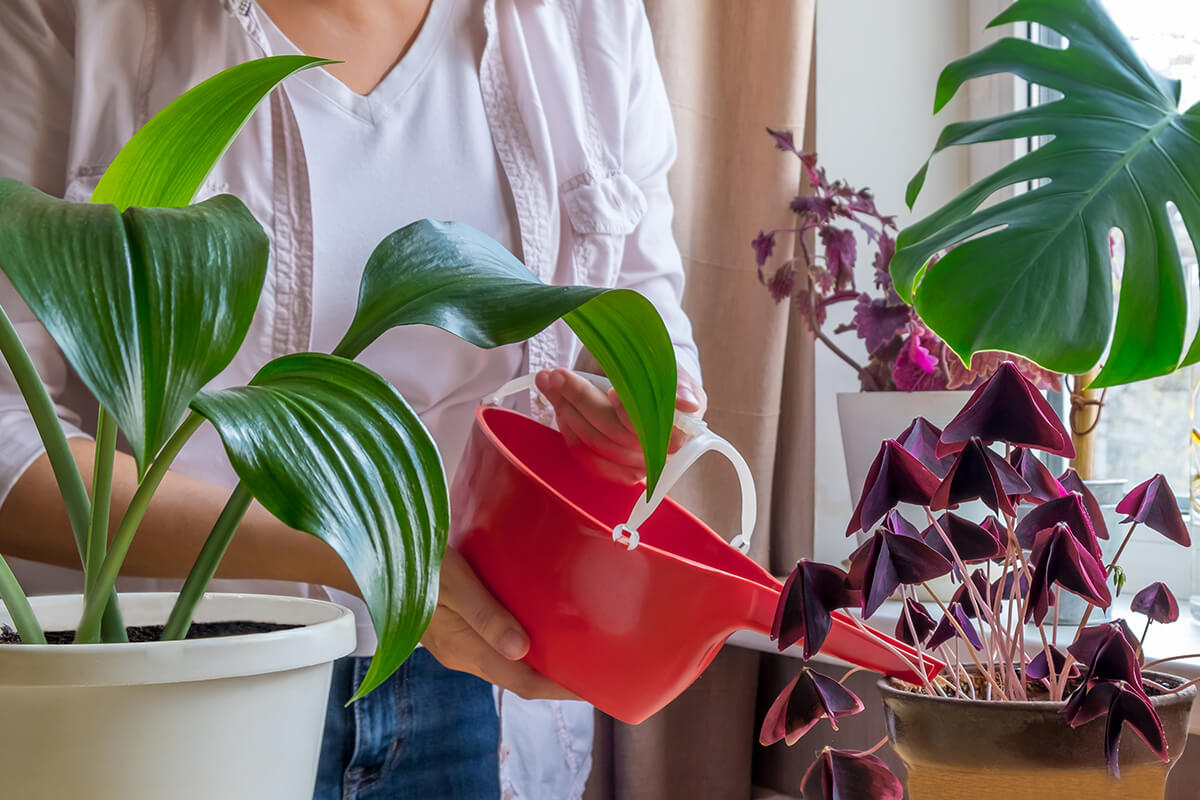
1. Water the Soil Directly: Avoid splashing leaves whenever possible.
2. Empty Excess Water: Let pots drain and always empty saucers underneath.
3. Don’t Overwater: Only water when the top inch (about 2.5 cm) of soil feels dry.
4. Improve Airflow: Leave a bit of space between plants and crack a window when possible.
5. Watch for Problems: Check leaves and soil regularly for any sign of mold or yellowing.
Should You Change the Time You Water Your Plants?
If you can water in the morning, that’s often ideal—water has time to be absorbed and any excess can evaporate with the daylight. But for many people in apartments, mornings are rushed, and watering plants at night simply fits better into the day.
The most important thing is to avoid overwatering and maintain good plant hygiene (like wiping leaves). Work out what fits your routine and matches your plants’ needs, rather than stressing over the clock.
Summary: Is It Safe to Water Plants at Night?
In short: watering plants at night is okay for most indoor gardeners, as long as you avoid overwatering and ensure decent airflow. Don’t let old myths make you nervous—empower yourself with knowledge and simple routines. Your plants will thank you for your care, no matter what time of day you show it!