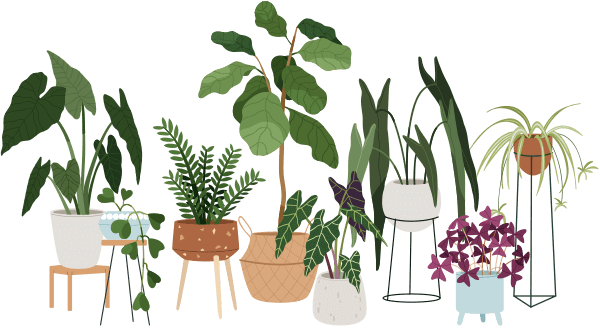

Alocasia dragon scale (Alocasia baginda) stands out for its stunning, shimmering, reptile-like leaves and compact size, making it a true gem for plant lovers. This unique houseplant isn’t just beautiful—it’s also favored for its manageable care and striking look, perfect for beginners eager to add a dramatic touch to their home.
Light Requirements
Alocasia dragon scale thrives in bright, indirect light. Avoid placing it in harsh, direct sunlight, which can scorch its leaves. Ideal spots include close to east- or north-facing windows, or several feet back from a sunnier window filtered by a sheer curtain. If your room is darker, consider a grow light to keep your Alocasia dragon scale happy.
Watering Schedule
Water your Alocasia dragon scale once the top 1–2 inches of soil feel dry. It’s better to under-water than over-water, as soggy roots cause problems. Drooping, yellow leaves often signal too much water; crispy, curling leaves mean it’s too dry. Use a humidifier if your room is dry or mist the leaves weekly.
Humidity & Temperature
These tropical beauties love warmth and humidity—aim for temperatures between 65–80°F (18–27°C) and humidity above 50%. Keep your Alocasia dragon scale away from cold drafts, air conditioners, and sudden temperature drops, as it’s sensitive to chill.
Soil & Potting
Choose a mix that drains well, like a blend for aroids or mix potting soil with perlite and orchid bark. Repot every 1–2 years or when the roots start poking out, preferably in spring. Good drainage is essential to protect those delicate roots.
Fertilizing
Fertilize your Alocasia dragon scale every 4–6 weeks in spring and summer with a diluted, balanced houseplant fertilizer. Hold off during fall and winter, when it naturally grows slower.
Common Problems & Solutions
Yellowing leaves? That’s likely overwatering—let the soil dry more between drinks. Brown edges usually mean dry air, so increase humidity. Watch for pests like spider mites or mealybugs; wipe leaves clean and treat promptly with insecticidal soap. Dropping leaves is common if the plant’s adapting or stressed.
Extra Tips
Dust the leaves gently to keep them shiny and let your Alocasia dragon scale breathe! Group with other humidity-loving plants like Calatheas or ferns for both visual appeal and happier plants. Fun fact: The dragon scale’s “armor” effect isn’t just for looks—it helps protect the plant in its native Southeast Asian forests!