
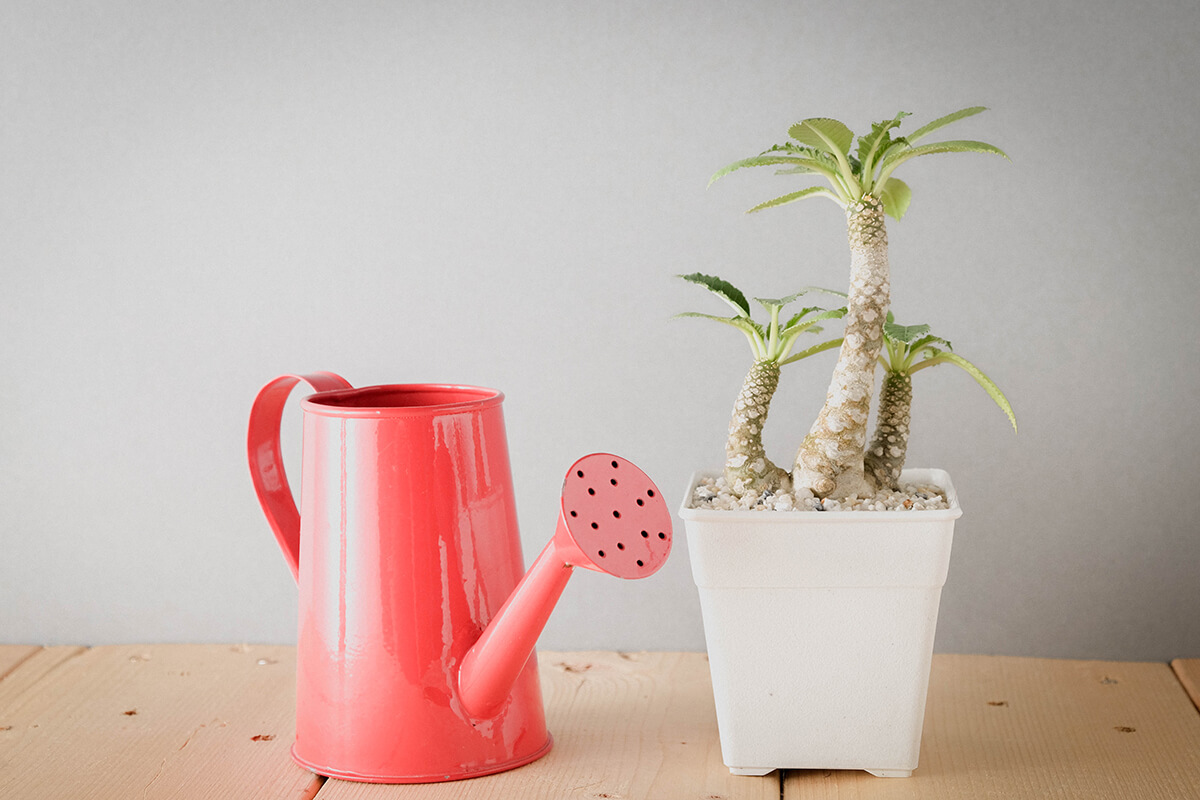
Learning how to water the Common tiptoothfig (Acrodon bellidiflorus) can make all the difference between a thriving, happy plant and one that struggles. This charming succulent is loved for its low-maintenance needs, but watering can still be a bit tricky, especially for beginners. If you’ve ever wondered how often to water, how much water to give, or whether your plant wants a mist now and then, you’re in the right place!
Let’s take the guesswork out of caring for your Acrodon bellidiflorus with this easy, step-by-step guide.
How Often Should You Water Acrodon bellidiflorus?
The Common tiptoothfig is a South African succulent, which means it stores water in its leaves and can tolerate dry spells. Unlike many houseplants, it does not need frequent watering. Generally, you’ll want to follow this simple rule: let the soil dry out completely between waterings.
- Spring and Summer: Water your Acrodon bellidiflorus every 2–3 weeks.
- Autumn and Winter: Water once a month, or even less if your home is cool and dim.
Tip: If you’re unsure, it’s better to underwater than overwater this plant!
How Much Water Does Common Tiptoothfig Need?
When it’s time to water, be generous, but stay mindful:
- Water until it starts to drip from the drainage holes at the bottom of the pot.
- Make sure all roots are moistened, but do not let the plant sit in leftover water.
- A standard 4-inch (10 cm) pot usually needs about half a cup of water per watering.
Should Acrodon bellidiflorus Be Sprayed or Misted?
Simple answer: No, misting is not helpful for Common tiptoothfig. Unlike tropical plants, Acrodon bellidiflorus prefers dry air. Mist can actually encourage rot.
What Are the Humidity Needs?
The Common tiptoothfig is perfectly content with the low humidity found in most homes and apartments.
- No humidifier needed
- Normal indoor air is ideal
- Avoid placing near humidifiers or in bathrooms
Is Acrodon bellidiflorus Sensitive to Overwatering?
Yes, very much so! Overwatering is the quickest way to harm your Common tiptoothfig. Signs of trouble include yellowing, mushy leaves, or a general droopy appearance.
Quick Checklist:
- Always let the soil dry out before watering again.
- Use a pot with drainage holes.
- Never let water pool in the saucer or pot.
Is the Common Tiptoothfig Drought Tolerant?
Absolutely! Acrodon bellidiflorus is adapted to long periods without rain.
This means:
- Occasional forgetting is forgiven by the plant!
- If you’re away on vacation, don’t worry—it’s likely fine.
Should I Water From the Top or Bottom?
For Common tiptoothfig, watering from the top is simplest and usually best:
- Pour water slowly onto the soil surface until excess drains out below.
- If you prefer, bottom watering (adding water to the tray and letting roots soak it up) is also safe, but only allow the pot to sit for 10–15 minutes.
Important: Always remove any remaining water from the saucer so the roots do not stay wet.
What To Do With Excess Water After Watering?
After watering, always:
1. Wait 10–15 minutes to allow drainage.
2. Pour out any water left in the saucer or tray.
Leaving water in the saucer can lead to root rot!
Watering Reminders for Apartment Dwellers
- Use a light, gritty succulent soil mix for proper drainage.
- Place your Common tiptoothfig in a spot with plenty of light.
- Avoid shelves with no air movement—the more airflow, the healthier your plant.
Summary: How to Water Common Tiptoothfig for Success
The Common tiptoothfig (Acrodon bellidiflorus) wants its soil to dry out before the next drink. Use a generous amount of water, but always let excess drain away. Never mist or keep the plant too damp. Overwatering is the main danger—if you make a mistake, don’t worry, just let the plant dry out and adjust your watering routine. With these simple steps, your Acrodon bellidiflorus will reward you with easy care and lovely growth, making every day brighter in your home.