If you’re lucky enough to have a Sand Rose—also known by its botanical name, Anacampseros rufescens—in your collection, you’re in for a treat. These charming succulents flaunt vibrant foliage and a hardy disposition, making them a favorite among indoor gardeners. But even tough little plants have their quirks, and when it comes to watering, the Sand Rose has definite preferences. Whether you’re new to houseplants or just new to succulents, let’s walk through how to water your Anacampseros rufescens, step by step.
How Often Should You Water Anacampseros rufescens?
The number one rule: less is more! Sand Rose, like many succulents, stores water in its leaves and can go longer between waterings than leafy houseplants.
- Spring and Summer (growing season): Water every 2–3 weeks, or when the top inch of soil feels completely dry.
- Fall and Winter (dormant period): Water sparingly, maybe only once a month, as the plant grows much more slowly.
Not sure if it’s the right time to water? Stick a finger or even a wooden skewer into the soil. If it feels dry at least one inch deep, your Sand Rose is ready for a drink.
How Much Water Does a Sand Rose Need?
The goal is to thoroughly moisten the soil—but not to drown the plant.
- Good Rule of Thumb: Water until you see a bit of excess water coming out of the drainage holes at the bottom of the pot.
- Always empty the saucer after a few minutes so your Anacampseros rufescens isn’t sitting in a puddle.
A light, even soak is better than a heavy, flood-like pour. Let the soil become almost dry before you water again.
Should You Mist or Spray Your Sand Rose?
No misting necessary! Unlike tropical plants, Sand Rose does not need regular misting. In fact, spraying the leaves can encourage rot or fungal problems, especially in humid environments. Their leaves are built to handle dry air and store water inside.
Humidity Needs for Anacampseros rufescens
Sand Rose thrives in the average humidity of a typical apartment. You don’t need humidifiers, pebble trays, or special treatments. In fact, too much humidity is more likely to cause problems than help. Dry indoor air is just fine for these tough little plants!
Is Sand Rose Sensitive to Overwatering?
Yes—very! Anacampseros rufescens is much more likely to suffer from too much water than too little. Overwatering can lead to root rot, which is often fatal. Always let the soil dry out between waterings and err on the side of underwatering if you’re unsure.
Is Anacampseros rufescens Drought Tolerant?
Absolutely. The Sand Rose is built for dry spells. It can go weeks without water, making it ideal for forgetful gardeners or those who travel. If the leaves start to shrivel a little, that’s a sign it’s time to water, but don’t panic—your plant is just telling you what it needs.
Should You Water from the Top or Bottom?
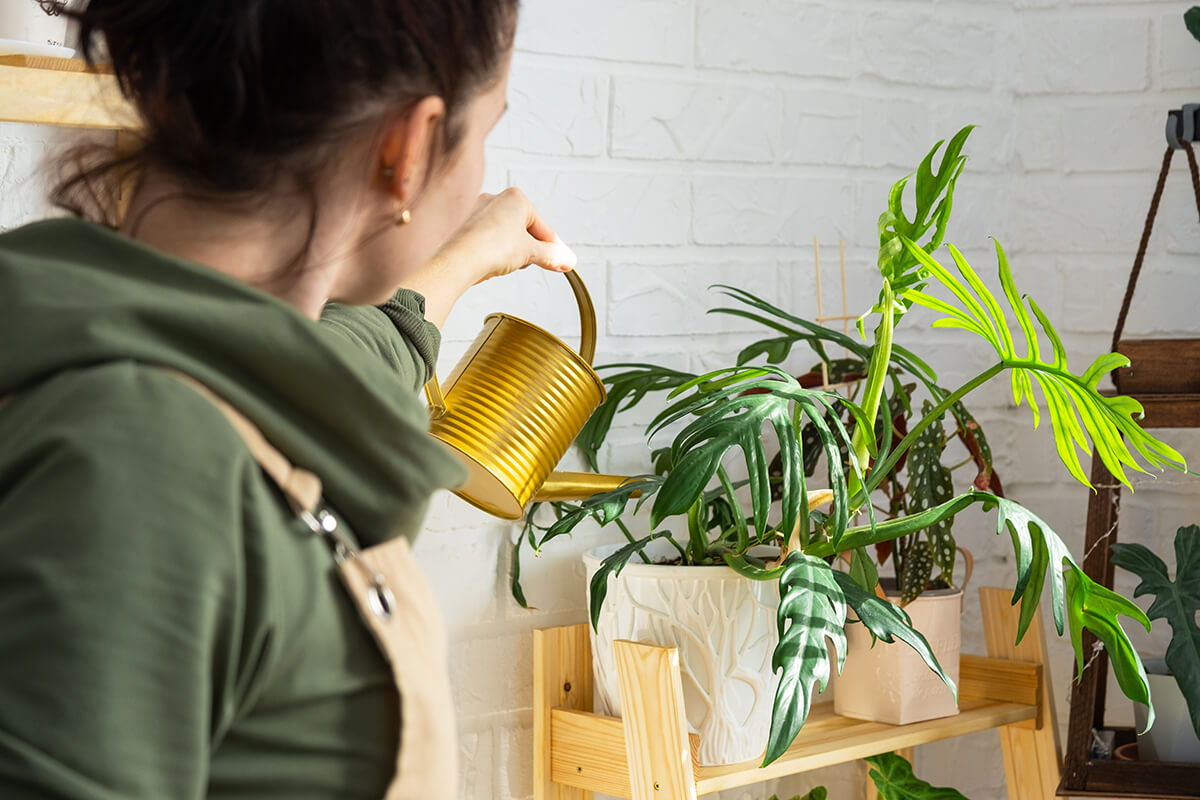
Both methods can work, but top watering is easiest for most apartment setups. Just:
1. Pour gently around the base of the plant.
2. Wait for excess to drain out the bottom.
3. Remove any leftover water from the saucer after 10–15 minutes.
Bottom watering (placing the pot in a dish of water for a few minutes) is also effective as long as the soil is allowed to soak up the water evenly—just never let the plant sit in water for longer than 20 minutes.
What Should I Do With Excess Water After Watering?
Always empty the saucer or tray beneath your Sand Rose. Anacampseros rufescens hates wet feet, so don’t let it sit in leftover water. This simple step helps keep roots healthy and prevents rot.
Summary: Keep It Simple for a Happy Sand Rose
Watering Anacampseros rufescens is all about restraint. Let the soil dry out, avoid misting, don’t fret about humidity, and make sure any excess water is poured away. With a light touch, your Sand Rose will reward you with beautiful, healthy growth. If you’ve overwatered in the past, don’t worry—every plant parent learns! Stick to these simple tips, and your Anacampseros rufescens will thrive.