
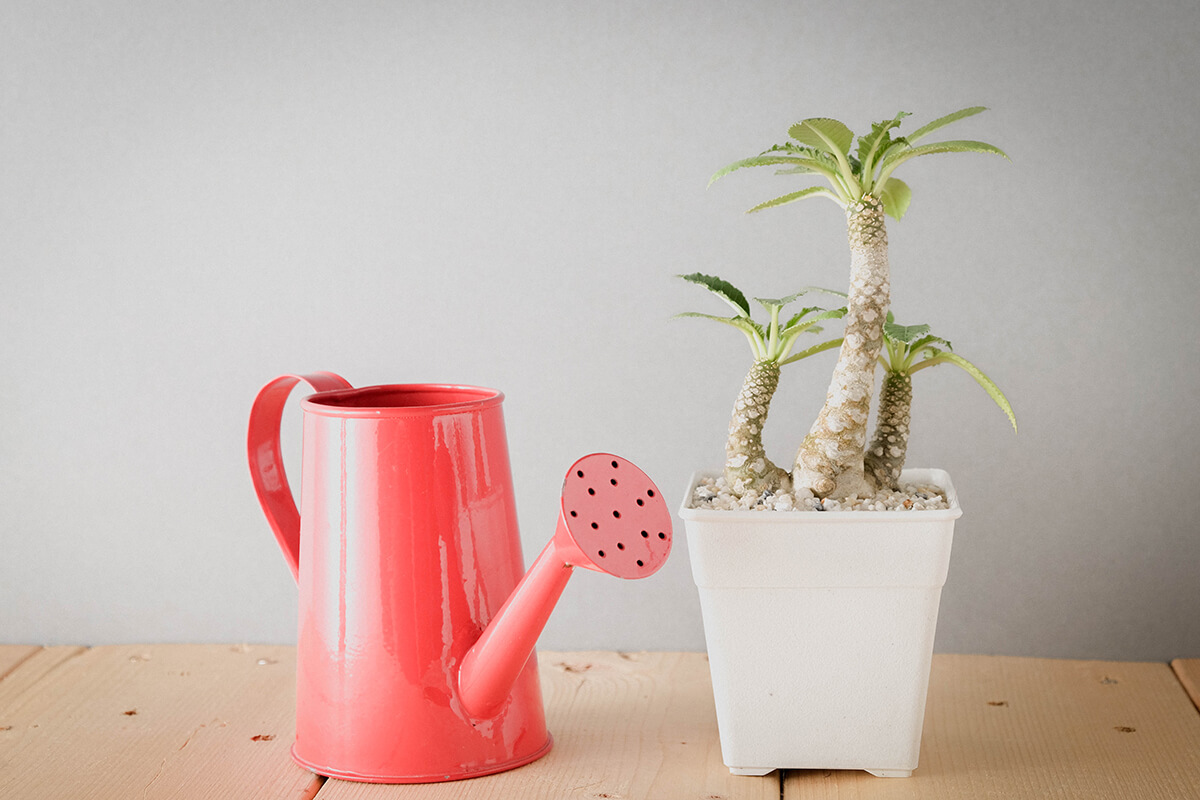
Caring for a Bulbine lily (Bulbine bulbosa) starts with understanding how much water your plant really needs. These charming, grass-like lilies are native to Australia and thrive in a range of locations—including sunny city apartments! If you want healthy blooms and perky leaves, proper watering is the key. But how do you know when, how, and how much to water your Bulbine bulbosa? This guide will answer your questions and give you the confidence to nurture your Bulbine lily, even if you’re just starting out.
How Often Should I Water My Bulbine Lily?
Frequency depends on the season and your environment. Bulbine bulbosa likes to dry out a little between waterings.
- During the growing season (spring and summer): Water once a week, or when the top inch (2-3 cm) of soil is dry.
- In autumn and winter: The plant rests, so water every 2-3 weeks. Watch for drooping leaves—a sign it needs a drink.
If your home is warm and dry (especially if it’s heated in winter), you may need to check the soil more often. Just poke your finger in the pot—if the top feels dry, it’s time.
How Much Water Does Bulbine Bulbosa Need?
Always water deeply until a little water runs out of the pot’s drainage holes. This encourages deep, healthy roots. Avoid adding just a splash—light watering can lead to shallow roots and stress the plant.
Tip: Use lukewarm tap water and water in the morning, so the roots can “drink” through the day.
Should I Spray or Mist My Bulbine Lily?
You don’t need to mist or spray your Bulbine bulbosa. This plant does not require high humidity. Misting might look fun, but could encourage fungal issues. Just stick to watering the soil.
What Are the Humidity Needs for Bulbine Lily?
Bulbine lilies are very adaptable. They do well in typical home humidity, even with dry central heating. There’s no need for special trays or humidifiers. Instead, focus on airflow—place your Bulbine bulbosa somewhere with good ventilation, like near an open window (but not in a cold draft).
Is Bulbine Lily Sensitive to Overwatering?
Absolutely. Overwatering is the most common mistake with Bulbine bulbosa. This plant has bulbs (like little storage engines) that can rot if kept too wet.
How to tell if it’s overwatered:
- The leaves start to yellow and wilt, even when the soil is moist
- Base of the plant feels soft and mushy
- Mold appears on the soil surface
If you see these signs, let the soil dry out before watering again.
Is Bulbine bulbosa Drought Tolerant?
Yes! Bulbine lilies are tough and can handle short dry spells. The bulbs store water for hard times. If you’re worried you forgot to water—don’t panic. It’s much safer to underwater than overwater.
Is Bottom Watering or Top Watering Better for Bulbine Lilies?
Both methods can work for Bulbine bulbosa, but top watering is easiest and best for most apartment growers. This means gently pouring water on the soil from above.
If you want to try bottom watering:
1. Set the pot in a tray of water for 20-30 minutes
2. Let the soil soak up moisture
3. Remove the pot and let it drain
Never leave your Bulbine lily sitting in water for long. The bulbs must not stay soggy.
What Should I Do With Excess Water After Watering?
The most important rule: Don’t let water collect in saucers or cachepots under your plant. Always pour away any leftover water underneath the pot about 15 minutes after you water. This prevents root rot and keeps your Bulbine bulbosa happy.
Summary: Key Takeaways for Watering Your Bulbine Lily
Caring for your Bulbine lily is simple once you know its preferences. Let the top inch of soil dry before watering, avoid misting, and never let the plant sit in water. Overwatering causes more harm than occasional underwatering, so if you’re ever unsure, wait a day or two. Remember—Bulbine bulbosa is forgiving, and it’s never too late to learn. With a little attention and the right watering routine, your Bulbine lily will reward you with fresh, cheerful growth.