If you’re caring for a Bell pepper (also known by its botanical name, Capsicum annuum), you might wonder: am I giving it the right amount of water? Whether it’s a big, colorful plant on your balcony or a single seedling on your kitchen windowsill, understanding how to water your Bell pepper is key. It’s normal to feel unsure at first, but don’t worry—a bit of know-how and kindness to yourself go a long way! Let’s look at the best ways to keep your Capsicum annuum thriving.
How Often Should You Water Bell Pepper Plants?
Bell peppers like their soil to be consistently moist but not soggy. As a general rule, water your Capsicum annuum when the top inch (about 2–3 cm) of soil feels dry to the touch. Stick your finger in—if the soil feels dry at that depth, it’s time to water.
How often will this be?
- During warm, sunny weather: Every 2–3 days, possibly daily if it’s especially hot or dry.
- In cooler or less sunny conditions: Every 4–5 days or weekly.
- For indoor apartment growers: Monitor more often, as indoor air can dry soil faster.
Tip: Don’t stick to a strict schedule—always check the soil. Overwatering is more harmful than waiting a day too long!
How Much Water Does a Bell Pepper Need Each Time?
Your Capsicum annuum likes a deep drink. Water until you see a little coming out of the drainage holes in the pot. This means water has reached the whole root system.
How to Tell You’re Watering Enough
- Soil throughout the pot feels moist, not just on top
- No puddles left at the bottom of the container
- Plant looks perky, not limp or yellow
Over time, you’ll get a feel for how thirsty your bell pepper is by watching the leaves and checking the soil.
Should You Mist or Spray Bell Pepper Plants?
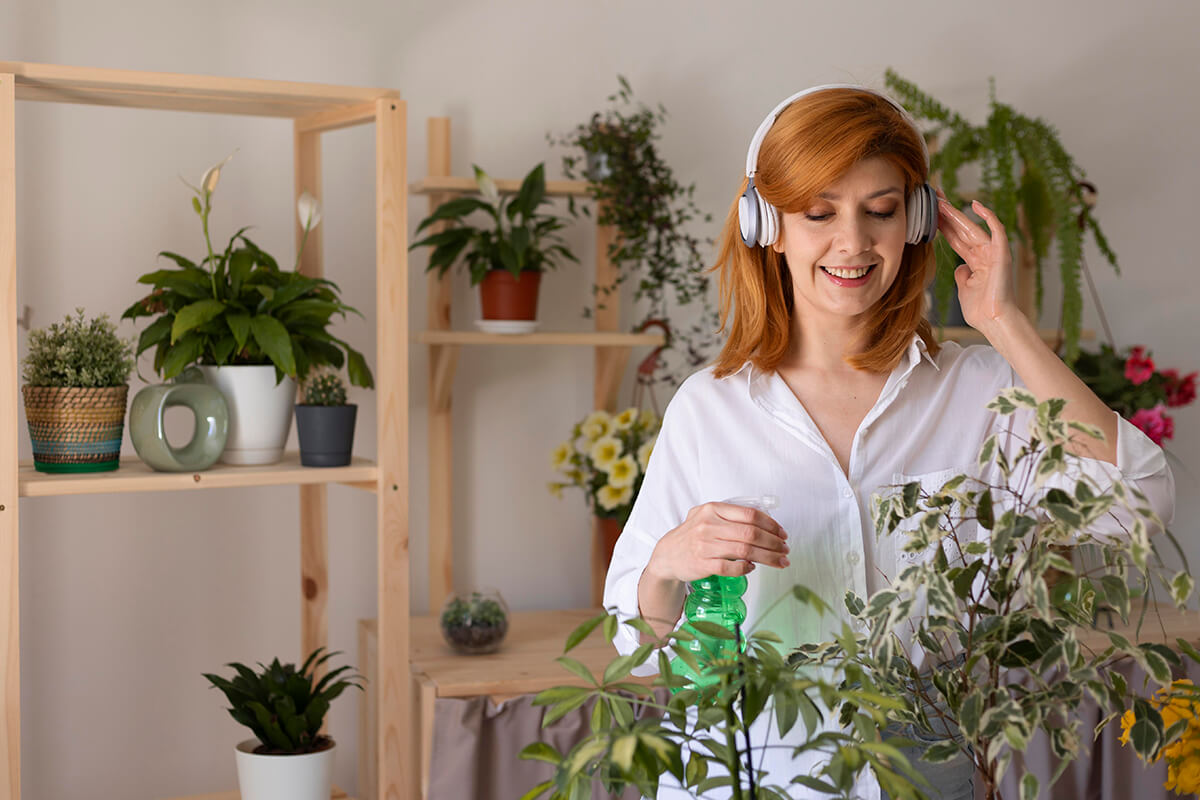
Misting isn’t necessary for Capsicum annuum. In fact, spraying water on the leaves too often can attract fungal diseases, especially indoors where air doesn’t circulate as much.
Instead: Focus on keeping the soil evenly moist. If your air is dry, increase humidity (see next section), but skip direct spraying on the leaves unless cleaning dust occasionally.
What Humidity Does Capsicum annuum Prefer?
Bell pepper plants are happiest at moderate humidity (around 50–60%). Most indoor apartments are fine without any special equipment. If your air is very dry (for example, during winter with heating on), here are some easy ways to help:
- Place your pot on a tray of pebbles and water (don’t let the pot sit directly in water)
- Group plants together to boost local humidity
- Avoid placing directly near heaters or air conditioners
Is Bell Pepper Sensitive to Overwatering? Can It Tolerate Drought?
Overwatering: Yes, Capsicum annuum suffers if it sits in soggy soil. Yellow leaves, wilting, and root rot can follow. Always let the top inch of soil dry out between waterings.
Drought: Bell pepper doesn’t like to be forgotten, but it copes better with too little water than too much. A dry spell may slow growth or cause some flowers to drop, but the plant usually recovers.
Is Bottom Watering or Top Watering Better for Bell Pepper?
Both can work! For apartment growers, top watering (pour gently over the soil) is simplest and effective. Bottom watering (setting the pot in a tray of water) can help if your soil dries unevenly, but don’t leave the pot sitting in water for more than 30 minutes—pour away any excess to prevent rot.
Watering Tips for Bell Pepper (Quick List)
1. Check soil moisture regularly with your finger.
2. Water deeply until you see drainage.
3. Let excess water drain—empty saucers after watering.
4. Keep humidity moderate with pebble trays if needed.
5. Don’t mist leaves; focus on soil.
6. Be gentle—every plant owner learns with practice!
What to Do With Excess Water After Watering?
Capiscum annuum truly dislikes wet feet. If you water and notice a lot of water in the saucer underneath, pour it away about 10–15 minutes after watering. Standing water can quickly cause root troubles.
Summary: How to Water Bell Pepper for Happy Growth
Caring for Bell pepper (Capsicum annuum) gets easier with practice. Water when the top inch of soil is dry, provide a deep drink, let extra water drain away, and avoid soggy saucers. Skip misting the leaves, and keep humidity reasonable—your Bell pepper will thank you! Mistakes happen, so be patient with yourself, and enjoy watching your plant grow strong and colorful.