
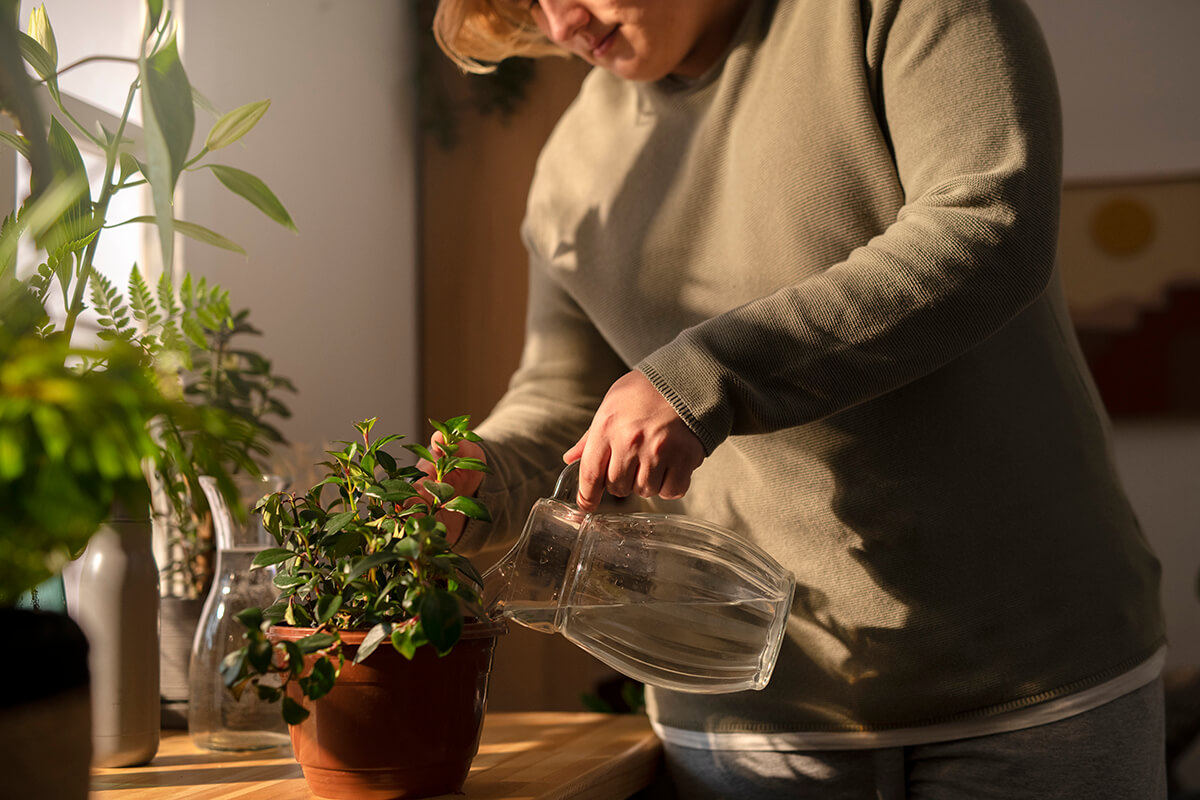
So you’ve brought home a Cheiridopsis pilosula, and you want to see it thrive. First off—congratulations! This uniquely beautiful succulent can charm any apartment, and it’s generally hardy. But like all special plants, Cheiridopsis pilosula needs the right watering routine to stay healthy. If you’re not sure how often to water, how much, or even whether to mist the leaves, you’re in the right place. Don’t worry—mistakes happen, but you’re already on the path to success. Let’s explore exactly how to water your Cheiridopsis pilosula with confidence.
How Often Should I Water Cheiridopsis pilosula?
If you’ve heard that “less is more” for succulents, that’s true for Cheiridopsis pilosula too. Unlike thirsty houseplants, this plant prefers to dry out between waterings.
In general:
- Water Cheiridopsis pilosula every 2–3 weeks during its active growing season (typically autumn and early spring).
- In summer and winter, when the plant goes semi-dormant, reduce watering to once a month or even less—sometimes not at all if your apartment is cool and dry.
Tip: It’s better to wait until the soil is completely dry before watering again. If you’re unsure, stick a finger about an inch into the soil—if it feels dry, it’s time to water.
How Much Water Does Cheiridopsis pilosula Need?
Think deep but infrequent watering. Cheiridopsis pilosula likes a “drench and dry” cycle:
- Pour enough water so it runs out of the drainage holes at the bottom.
- Avoid little sips of water every few days—these encourage rotting roots and don’t mimic natural conditions.
Remember: Never leave your Cheiridopsis pilosula sitting in water. If any collects in the saucer after watering, empty it out to prevent root rot.
Should I Mist or Spray My Cheiridopsis pilosula?
Short answer: No, resist the urge to spray.
Cheiridopsis pilosula does not need misting. Its thick, hairy leaves are designed to conserve water in dry environments. Spraying can actually encourage unwanted mold or rot, especially if water settles into the crevices between leaves.
Just focus on watering the soil and you’ll be set.
What Humidity Level Does Cheiridopsis pilosula Prefer?
Cheiridopsis pilosula is perfectly suited to the dry air found in most apartments. It doesn’t need extra humidity—in fact, too much moisture can create problems.
- Typical indoor humidity (below 50%) is ideal.
- Avoid humidifiers or grouping this plant with humidity-loving tropicals.
Is Cheiridopsis pilosula Sensitive to Overwatering?
Absolutely! Overwatering is the most common mistake with Cheiridopsis pilosula. This plant is stubbornly resistant to drought but very vulnerable to wet feet (that’s soggy roots).
Signs of Overwatering:
- Mushy, translucent, or split leaves
- Rotting smell from the soil
- Leaves falling off easily
If you’ve overwatered:
- Let the soil dry out completely before your next watering.
- Consider repotting with dry, fresh soil if roots are mushy.
It’s okay if you do this once—just learn and adjust. Your plant will appreciate your efforts!
Is Cheiridopsis pilosula Drought Tolerant?
Yes! Cheiridopsis pilosula is highly drought tolerant. It’s used to dry, harsh environments and stores water in its chubby leaves. If you forget to water for a bit, don’t panic—just keep an eye on those leaves.
If they start to look a little wrinkled or soft, that’s your cue to water.
Should I Bottom Water or Water from the Top?
Both methods can work, but watering from the top is easier and usually safer for Cheiridopsis pilosula. Just pour water gently over the soil, avoiding the leaves.
- If you prefer bottom watering (sitting the pot in a dish of water to let it soak up), only do this occasionally—and never let it stand for more than 15 minutes.
Always discard any leftover water in the saucer after watering!
What to Do With Excess Water After Watering?
Never let water sit under your Cheiridopsis pilosula. Always empty the saucer or cache pot about 10 minutes after watering. Standing water leads to root rot, the #1 enemy of Cheiridopsis pilosula.
Quick Cheat Sheet: Watering Cheiridopsis pilosula
- Water every 2–3 weeks in active seasons; even less in dormancy
- Water deeply, but infrequently
- Never mist the plant
- Keep humidity low
- Discard all excess water
- Err on the side of underwatering
Summary: Nurturing Your Cheiridopsis pilosula
Watering Cheiridopsis pilosula is less about frequency and more about restraint. Remember, a happy Cheiridopsis pilosula thrives on deep drinks after dry spells—not constant attention. Watch out for overwatering, ignore the urge to mist, and let your plant enjoy the dry air of your apartment. With these tips, even beginner houseplant parents will watch their Cheiridopsis pilosula flourish.