
The African Milk Tree (Euphorbia trigona) is a striking, low-maintenance houseplant loved for its upright, triangular stems and lush green (or sometimes reddish) color. Watering your Euphorbia trigona isn’t tricky, but getting it right can make all the difference between a thriving, happy plant and a struggling one. Whether you’re a new plant parent or just want to double-check your care routine, this guide answers all your questions about watering African Milk Tree. Let’s grow your confidence together!
How Often Should I Water My African Milk Tree?
Frequency is key, but less is more!
The Euphorbia trigona is a succulent, meaning it stores water in its stems. Unlike thirstier houseplants, it prefers drier conditions.
- In spring and summer (when it’s actively growing), water every 2–3 weeks.
- In fall and winter, the plant rests, so cut back to once a month or even less.
The real secret: Only water when the top 2–3 inches of soil are completely dry. Don’t guess—poke your finger into the soil, or even use a wooden stick.
How Much Water Does a Euphorbia Trigona Need?
When you do water, go slow and steady. Pour until you see some water draining out of the bottom of the pot—this means the soil is evenly moist but not soggy.
- For small pots (up to 6 inches), about half a cup is usually enough.
- For larger pots, 1 cup or more may be needed.
- Remember, it’s better to underwater than overwater.
Tip: Always use pots with drainage holes.
Should I Mist or Spray My African Milk Tree?
No misting needed!
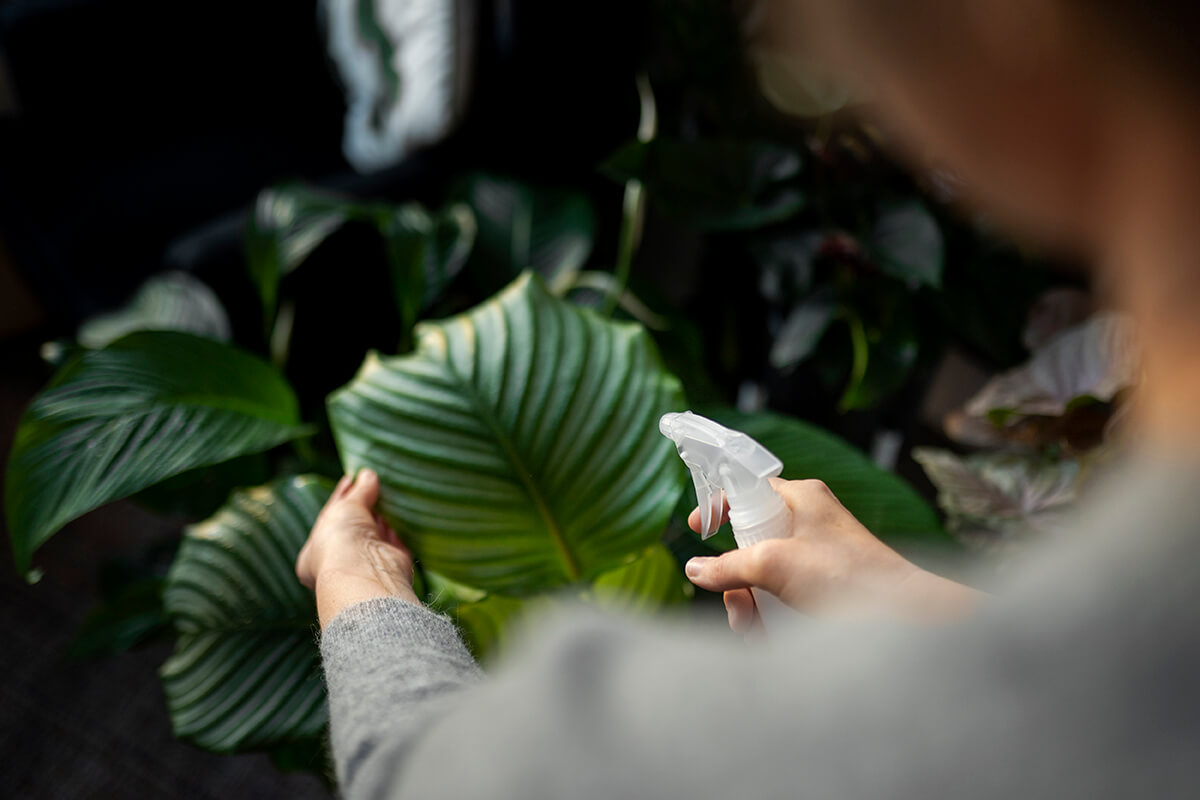
Euphorbia trigona does not like being misted. Unlike tropical houseplants, this succulent doesn’t absorb moisture through its skin and prefers the air to be on the dry side. Spraying can actually encourage rot or fungal problems, so skip this step entirely.
What Are the Humidity Needs?
The African Milk Tree is very forgiving about humidity. Average apartment or indoor air—between 30% and 50% humidity—is perfect. No need for humidifiers or pebble trays.
Is the African Milk Tree Sensitive to Overwatering?
Yes, it is *extremely* sensitive to overwatering!
Too much water can quickly lead to root rot, a nasty problem that’s often fatal to Euphorbia trigona. If you’re ever in doubt, wait another few days before watering. It’s far better to be cautious and let the soil dry out more.
Is Euphorbia Trigona Drought Tolerant?
Absolutely! The African Milk Tree is a tough, drought-tolerant plant. A missed watering or two won’t usually harm it. In fact, regular dry spells are part of its natural life in the wild.
Should I Water from the Top or Try Bottom Watering?
- Top Watering: This is the easiest and safest choice. Gently pour water over the surface of the soil until it drains out below. This flushes out any salts that may have built up.
- Bottom Watering: If you prefer, you can set the pot in a tray of water for 10–15 minutes, but be sure to remove it as soon as the top of the soil feels damp.
Both methods work, but never let the plant sit in water for long—it can drown the roots.
What Should I Do with Excess Water?
Always empty the saucer or tray under the pot about 10–15 minutes after watering.
Leaving water in the tray can suffocate roots and cause rot. Feel free to pour any leftover water into another thirsty plant or over your sink.
Quick Watering Checklist for African Milk Tree:
1. Check the soil first—water only if dry 2–3 inches deep.
2. Water deeply but infrequently.
3. Use pots with drainage holes.
4. Never let water sit under the pot.
5. Don’t mist—dry air is just fine.
Summary: Watering Success with African Milk Tree
Caring for your African Milk Tree (Euphorbia trigona) is all about balance. Water only when the soil is dry, avoid misting, let the plant enjoy average apartment humidity, and remember—less water is almost always safer than too much. With these simple habits, your Euphorbia trigona will reward you with strong new growth and years of beauty. Even if you’ve overwatered before, don’t worry. Now you know exactly what to do!