Hyacinth, known botanically as Hyacinthus, is famous for its bright, fragrant flowers that fill homes and balconies with color and scent in spring. If you’re new to caring for Hyacinths, you’ll quickly discover that watering is key to keeping these beauties looking their best. Don’t worry if you’re unsure—caring people everywhere learn by experience, and with a little attention, your Hyacinth will reward you! In this guide, we’ll explore when and how to water Hyacinthus, how much water is enough, whether misting is helpful, the importance of humidity, and what to do if you make a mistake.
How Often Should You Water Hyacinth?
How frequently you water a Hyacinth depends on several factors: is it growing in soil in a pot, outside, or in a glass vase with just water? Let’s focus on potted Hyacinth grown indoors, which is popular in apartments.
- During active growth and bloom: Water once a week, but always check the soil first. Stick your finger into the soil up to your first knuckle; if it feels dry at that depth, it’s time to water.
- If the room is warm and dry: Check the soil a bit more often—Hyacinthus likes steady moisture, but not sogginess.
Remember, routine is good but flexibility is better. Each plant and environment is slightly different, so observe your Hyacinth for signs it needs attention.
How Much Water Does Hyacinthus Need?
Hyacinth bulbs don’t like to sit in soggy soil. Overwatering leads to bulb rot, which is hard to fix. Here’s what works best:
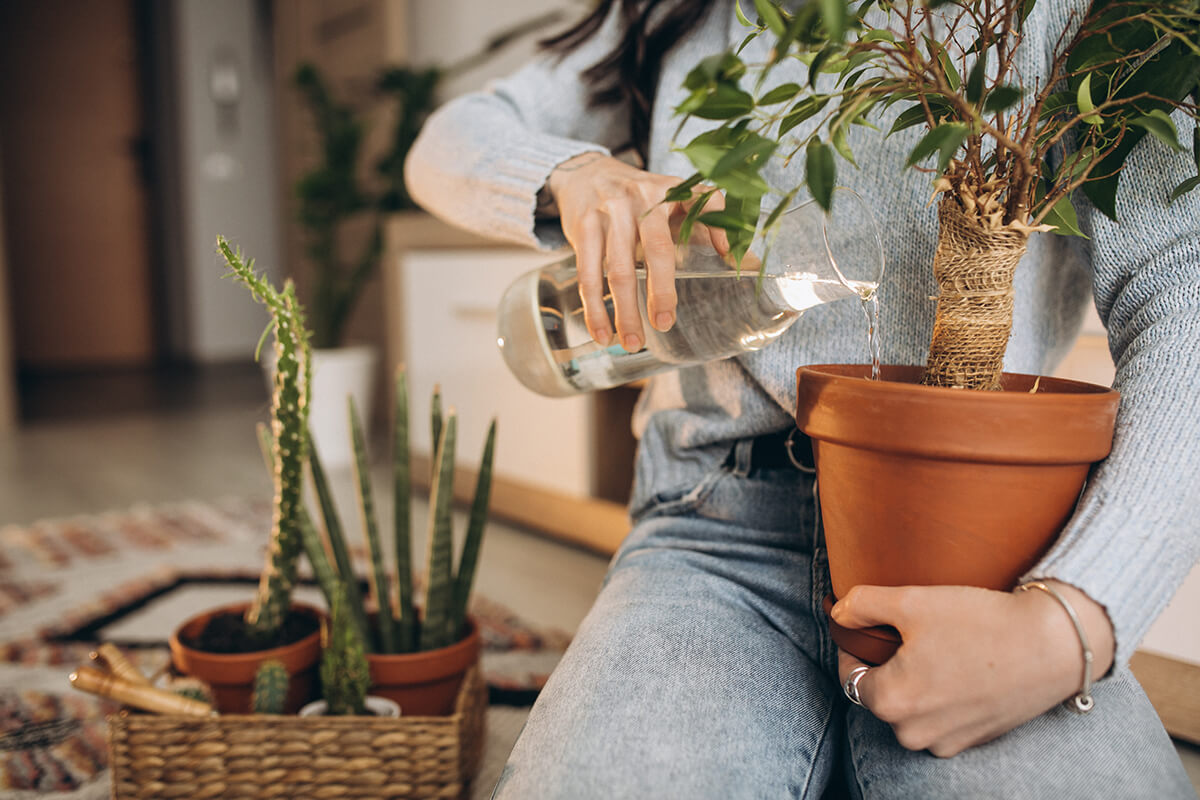
- Water your Hyacinth until water runs out of the bottom drainage hole.
- After watering, empty any water collected in the saucer under the pot. Never let the roots soak.
Should You Mist or Spray Your Hyacinth?
People sometimes think all plants enjoy misting, but Hyacinthus is an exception.
- Do not mist or spray Hyacinth leaves or flowers.
- Misting can promote mold or fungal problems, especially in small indoor spaces.
What Humidity Level Is Best for Hyacinthus?
Hyacinth does not have high humidity needs. It’s happy with the typical humidity of most homes.
- Average indoor humidity is just fine.
- If your apartment air is unusually dry (less than 40% humidity), keep your Hyacinth away from heaters and consider using a room humidifier—but only if you have other delicate plants nearby.
Is Hyacinth Sensitive to Overwatering or Drought?
- Hyacinth is sensitive to overwatering. Bulb rot can develop if water sits around the roots too long.
- It is not drought tolerant, especially when blooming. If the soil dries out completely, the flower may wilt or fail to open fully.
If you accidentally overwater, don’t panic. Let the soil dry before watering again, and ensure there’s no standing water in the saucer.
Bottom Watering vs. Top Watering: Which Is Better for Hyacinthus?
Both methods can work, but for Hyacinth grown in pots, top watering is usually best:
1. Water from above until it seeps out the bottom.
2. Discard excess water collected underneath.
With bottom watering (placing the pot in a tray of water so the roots soak it up), you risk the bulb staying too wet. Top watering gives you more control and helps flush out any built-up minerals.
What To Do With Excess Water After Watering?
- Always empty the saucer under your Hyacinth pot about 10-15 minutes after watering.
- Never let your Hyacinth’s roots sit in water—this is the most common reason for failure.
Quick Tips for Watering Hyacinth in Apartments
- Use a small watering can for better control.
- Water in the morning to reduce mold risk.
- If unsure, it’s safer to under-water slightly than overwater.
Summary: Key Steps for Watering Hyacinth or Hyacinthus
Watering your Hyacinth doesn’t have to be complicated. Remember to water only when the top inch of soil is dry, don’t let water collect under the pot, and resist the urge to mist. If you overwater, let it dry out before the next drink. With patience and careful observation, you’ll soon water your Hyacinthus with confidence, enjoying a cheerful, fragrant bloom in your home.