
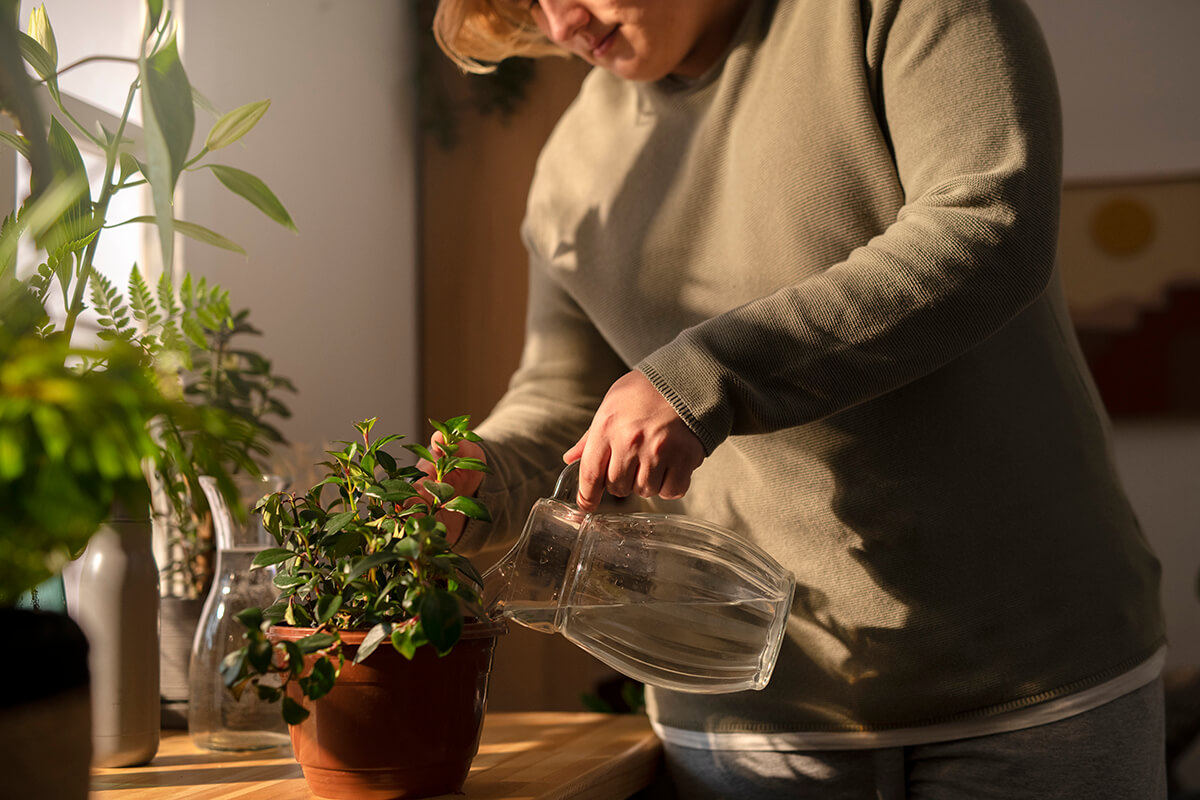
Welcoming a Boston Fern (Nephrolepis exaltata) into your home is like bringing a little piece of green, fresh forest indoors. These feathery, air-purifying plants are a favorite for their lush fronds and classic style. But if you’re new to plant care, you might have noticed Boston Ferns can be a bit particular about how—and how much—they’re watered. Don’t worry if you’ve made mistakes! With a few tips and some encouragement, you’ll find watering your Nephrolepis exaltata less daunting and even enjoyable.
How Often Should I Water My Boston Fern?
Boston Ferns love soil that is consistently moist, not soggy. Depending on your home’s conditions, they usually need watering once or twice a week. But instead of sticking to a strict schedule, it’s better to check the soil regularly.
Quick test: Stick your finger about an inch into the soil. If it feels dry at that depth, it’s time for more water.
Consider:
- In summer or warm, dry apartments, water more often (every 3–4 days).
- In winter or cool, damp spaces, water less frequently (once a week or so).
Remember: Both overwatering and underwatering can harm your Nephrolepis exaltata, so this simple soil test is your best guide.
How Much Water Does the Boston Fern Need?
When you do water, aim to moisten all the soil in the pot, but avoid drenching it. Pour water slowly until you see just a bit draining from the bottom. This ensures that roots throughout the pot get the moisture they need.
Tip:
- For an average-size Boston Fern (pot diameter around 8 inches), start with about 1–2 cups of water.
- If excess water starts pooling on top or draining out quickly, stop and let the plant absorb what’s in the soil first.
Should I Mist or Spray My Boston Fern?
Yes, Nephrolepis exaltata truly appreciates misting! These ferns evolved in humid forests, so their leaves love a light spray.
Why mist?
- Misting raises the humidity around the plant, helping prevent crispy leaf tips.
How to do it:
- Use a spray bottle with clean, room-temperature water.
- Mist the leaves lightly in the morning, two to three times a week or as needed.
- Avoid soaking; just aim for a gentle dew.
If your home is very dry, consider doing this more frequently.
What Humidity Does a Boston Fern Need?
Boston Ferns thrive in moderate to high humidity: ideally above 50%. This is sometimes higher than typical indoor air, especially in winter. Don’t panic! Here are simple ways to boost humidity:
- Place a shallow dish of pebbles and water near or under the pot (keep the pot above the water level).
- Group your fern with other plants.
- Use a small humidifier nearby if needed.
Is the Boston Fern Sensitive to Overwatering or Underwatering?
Yes—Boston Ferns are sensitive to both! Overwatering can cause root rot, mushy leaves, and yellowing, while underwatering leads to brown, crunchy fronds.
If you overwater:
- Let the soil dry out slightly before watering again.
- Adjust your routine; remember that less is often more.
If you underwater:
- Water more often and consider raising the humidity.
- Trim brown tips for appearance; new growth will recover.
Is the Boston Fern Drought Tolerant?
Unfortunately, Nephrolepis exaltata is not drought tolerant. These ferns wilt quickly if neglected. For apartment dwellers, this means staying attentive, especially during heated winters or hot summers.
Bottom Watering vs. Watering from the Top: Which is Best?
Both methods work, but here’s how to decide:
- Top watering: Gently pour water onto the soil until it drains out. This washes away built-up minerals and refreshes all roots.
- Bottom watering: Place the pot in a bowl of water for 10–15 minutes, letting roots soak up what they need. This helps avoid leaf wetness and ensures even soaking.
Switch it up: Using both methods (alternating) keeps your Boston Fern happy. Just always check for soil dryness first.
What Should I Do with Excess Water After Watering?
Never let your Boston Fern sit in standing water! After watering, empty the drain tray. This prevents root rot—a common issue for Nephrolepis exaltata.
Checklist:
- Empty saucers or trays after each watering.
- Make sure the pot has drainage holes.
- If you overwatered, tip the pot gently to drain excess or use paper towels to blot the soil surface.
Summary: Watering Boston Fern Made Simple
Caring for a Boston Fern (Nephrolepis exaltata) isn’t as tricky as it may seem. Pay attention to the soil’s dryness, water thoroughly but not too much, and remember these ferns crave humidity. A little misting and a watchful eye go a long way! If you’re patient and attentive, your Boston Fern will thrive, rewarding you with fresh, beautiful foliage year-round.