Caring for a Mini Monstera, also known as *Rhaphidophora tetrasperma*, can feel overwhelming for new plant parents. Luckily, with a little guidance and patience, watering your Mini Monstera becomes an enjoyable routine that helps this lively tropical plant to truly shine in your home. In this article, you’ll discover everything you need to know about watering Rhaphidophora tetrasperma—how often, how much, and how best to support its growth in an apartment setting. Don’t worry if you’ve been unsure or things haven’t gone perfectly before. Every plant parent learns as they go!
How Often Should You Water a Mini Monstera?
The golden rule for Rhaphidophora tetrasperma is: Let the top inch or two of soil dry out before watering again. Unlike some dramatic tropical plants, a Mini Monstera prefers soil that’s lightly moist but never soggy.
Frequency varies with environment:
- In summer, you might water every 5–7 days.
- In winter, every 10–14 days could be enough.
Remember, your plant’s needs depend on temperature, light, and humidity. The finger test is your friend—poke your finger about an inch deep in the soil. If it’s dry, it’s time to water.
How Much Water Does a Rhaphidophora tetrasperma Need?
When you water, be generous—but *not* excessive. Use enough water to moisten the entire root ball. Generally, this means slowly pouring water until you see it start to drain from the bottom of the pot. This encourages roots to grow downwards and keeps all of them hydrated.
- Tip: Use room-temperature water to avoid shocking the roots.
Is Overwatering a Problem for Mini Monstera?
Yes, Rhaphidophora tetrasperma is sensitive to overwatering. Soggy soil leads to root rot, which can seriously harm (or even kill) your plant. Err on the side of caution: under-watering is easier to fix than over-watering.
Signs of overwatering include:
- Yellowing leaves
- Wilting despite wet soil
- Mushy, smelly roots (if you check)
If this happens, let the soil dry out more before your next watering.
Is Rhaphidophora tetrasperma Drought Tolerant?
Mini Monstera is *moderately* drought-tolerant. It can bounce back from the occasional forgotten watering, but it won’t thrive if you repeat this often. Regular neglect leads to crispy leaf edges and stunted growth.
Should You Mist or Spray a Mini Monstera?
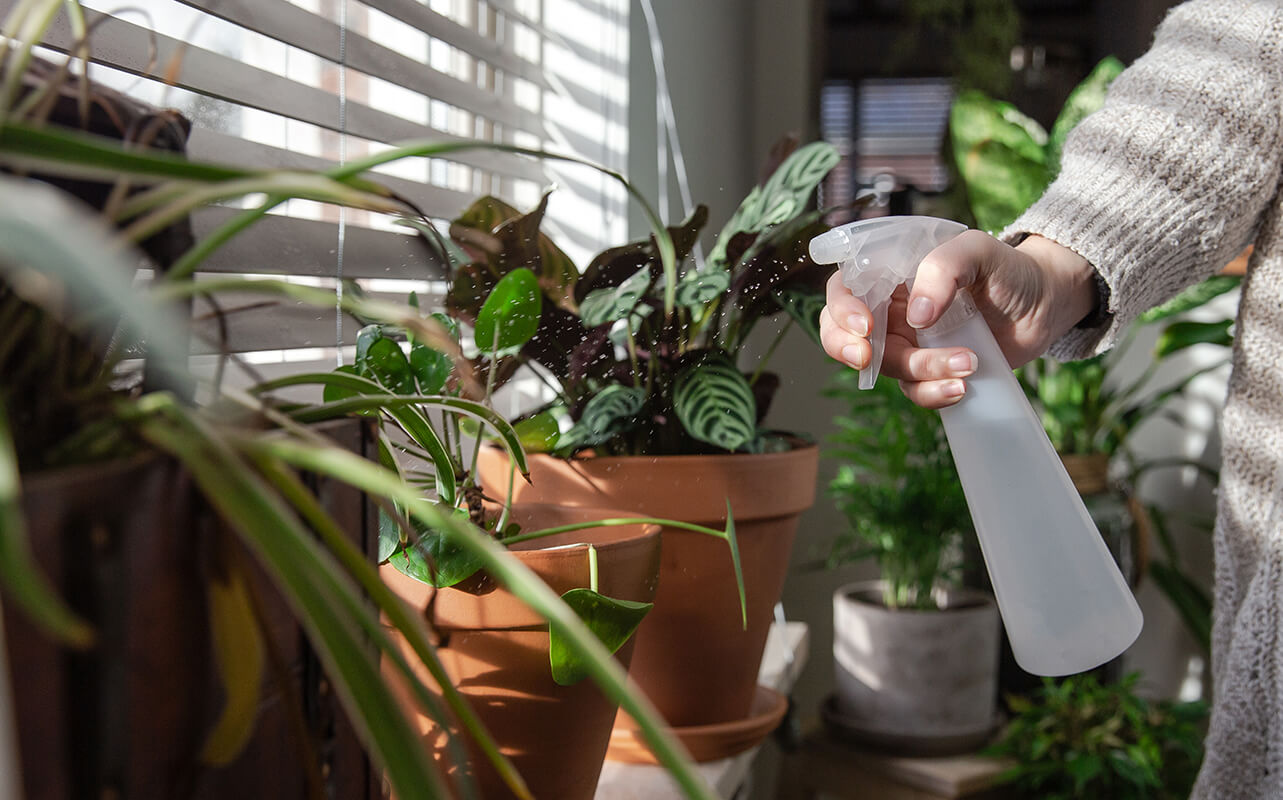
Misting isn’t required for Rhaphidophora tetrasperma, but it can help in very dry homes.
- If your home’s air is very dry (like during winter with heating on):
- Mist the leaves a few times a week, ideally in the morning.
- Grouping plants or using a pebble tray with water can also boost humidity.
What Humidity Does Mini Monstera Need?
Your *Mini Monstera* loves moderate humidity—ideally 40–60%. Most apartments are just fine, but if you notice browning, crispy edges, or you run the heat or AC a lot, try increasing humidity as above.
Should You Water From the Top or Bottom?
Either method works well for Rhaphidophora tetrasperma, so pick what suits you best:
- Top watering is easiest: Pour gently at the base until water runs out of the pot’s drain holes.
- Bottom watering: Place the pot in a shallow tray of water for 20–30 minutes. The soil will soak up moisture from below, reaching the roots evenly. Remember to empty the tray so the pot isn’t sitting in water.
What Should You Do With Excess Water After Watering?
Always empty any extra water from saucers or trays under the pot. Leaving your Mini Monstera sitting in water can quickly lead to root rot.
Quick Mini Monstera Watering Checklist
1. Use a pot with drainage holes.
2. Check soil before watering—only water when the top inch is dry.
3. Water thoroughly, then drain off any excess.
4. Increase humidity if your home is very dry.
5. Watch for warning signs like wilting or yellowing leaves.
Summary: Watering Mini Monstera Made Simple
Watering your Mini Monstera (Rhaphidophora tetrasperma) doesn’t have to be a guessing game. Let the top of the soil dry between waterings, avoid letting the plant sit in water, and tweak your approach with the seasons. With these simple, supportive tips, your Mini Monstera will reward you with lush, healthy leaves—no stress necessary!