
The Peace Lily (Spathiphyllum wallisii) is a favorite houseplant for a reason. With its lush green leaves and graceful white blooms, it brings instant calm and beauty to any apartment or home. But if you’re new to plant care, figuring out the best way to water a Peace Lily can feel tricky. Good news: even if you’ve let your Spathiphyllum wallisii get a bit too dry, or got overzealous with the watering can, it’s never too late to help your plant thrive! In this article, we’ll walk you through everything you need to know to keep your Peace Lily healthy, hydrated, and happy.
How Often Should You Water a Peace Lily?
“How much and how often?” is the most common question plant parents ask about Spathiphyllum wallisii. The Peace Lily prefers its soil slightly moist, but not soggy.
- Average Frequency: Water about once a week.
- Check the Soil: Stick your finger an inch into the soil. If it feels dry, it’s time to water.
- Adjust for Season and Light: In brighter spots or during summer, you may need to water more often. In cooler, lower-light conditions, it’s better to water less frequently.
Tip: Peace Lilies will tell you when they need a drink. If the leaves start drooping slightly, it’s a gentle nudge for water. (Don’t worry, they bounce back quickly.)
How Much Water Does a Spathiphyllum wallisii Need?
With the Peace Lily, think “thorough but not excessive.”
- Use enough water so that it runs out of the drainage holes.
- Water until the top layer of soil is visibly moist, but not swimming.
- Empty any water collected in the saucer after 10–15 minutes.
Why? Spathiphyllum wallisii roots do not like to sit in water for long — this prevents root rot, the number one enemy!
Should You Mist or Spray a Peace Lily?
Misting is a great way to boost the humidity around your Peace Lily, especially if you live in a dry apartment.
- Lightly mist the leaves once or twice a week.
- Avoid drenching; just a light spritz is plenty.
- Wipe leaves gently with a soft cloth every so often to keep them dust-free and happy.
What Are the Humidity Needs of Peace Lilies?
Spathiphyllum wallisii loves humid air — it’s native to tropical forests!
- Ideal Humidity: 50–60% if you can manage it.
- Grouping plants, using a pebble tray with water, or keeping it in a bathroom with filtered light can help increase humidity.
- Heat from radiators or AC can dry air, so take extra care in winter.
Is Peace Lily Sensitive to Overwatering?
Absolutely! If there’s one thing Peace Lilies dislike, it’s waterlogged roots.
Signs of Overwatering:
- Yellowing leaves
- Wilting despite wet soil
- Black, mushy roots
What to Do: Let the soil dry more between waterings, always use a pot with drainage, and never leave excess water sitting in the saucer.
Is Peace Lily Drought Tolerant?
Peace Lilies are forgiving but not drought tolerant. They can wilt dramatically if forgotten, but recover quickly after a drink. However, repeated neglect will stress the plant and may damage roots over time.
Should You Bottom Water or Water From the Top?
Both methods work!
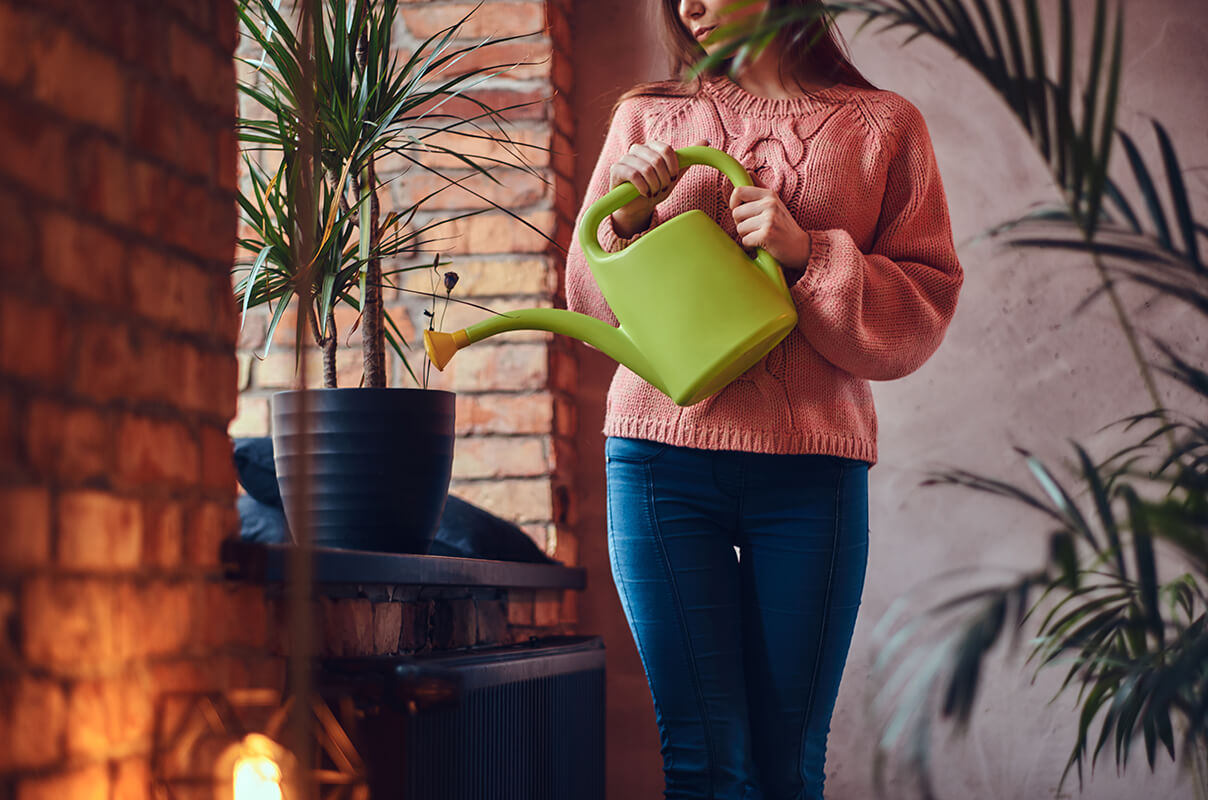
- Top watering is quick and classic: pour water gently onto the soil until it drains out.
- Bottom watering means placing the pot in a tray of water for about 20 minutes, letting the plant soak up what it needs. This method helps avoid overwatering and ensures the entire root ball gets moisture.
Choose whichever fits your routine best! Just remember, always empty excess water afterwards.
What to Do With Excess Water After Watering?
Peace Lily roots need air as much as water. Always:
- Pour out water collected in the saucer or tray after watering.
- Never let the pot sit in standing water, as this leads to root rot.
# Summary: Happy, Healthy Peace Lily Care
Watering your Peace Lily (Spathiphyllum wallisii) doesn’t have to be a mystery. Water when the top inch of soil is dry, keep humidity up, and avoid letting roots sit in water. With a little observation and care, your Peace Lily will brighten your space and reward you with lush growth. And remember – everyone makes mistakes, but every day is a new chance to care for your plant!