
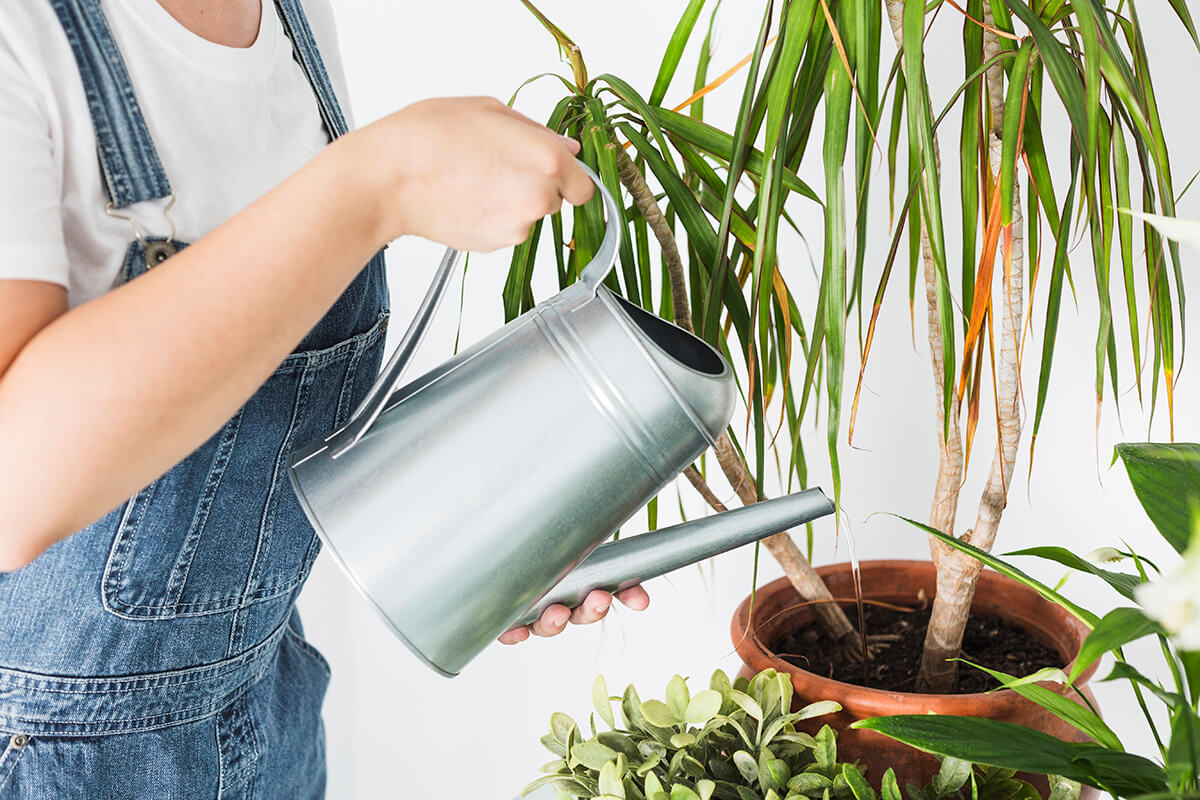
Caring for the Pink Quill, also known as Tillandsia cyanea, is incredibly rewarding — especially when it shows off its vibrant pink bract and charming blue flowers. But one common challenge for new Pink Quill owners is figuring out exactly how to water it. Don’t worry if you’ve felt confused or even made a mistake or two; the good news is that your Pink Quill is forgiving if you learn what it needs. In this article, we’ll explore how to water your Tillandsia cyanea, answer all your top watering questions, and share practical guidance that fits apartment living.
How Often Should You Water Pink Quill?
How often you water your Pink Quill depends on a few things: the climate in your home, the season, and the size of the pot. As a general guideline:
- Water once a week in spring and summer (the growing season).
- In cooler months, reduce to every 10–14 days unless the air is very dry.
- Watch the leaf tips – if they start to curl or look dry, it may need a drink sooner.
Remember: It’s better to underwater than to overwater. Pink Quills bounce back more easily from being too dry than from being too wet.
How Much Water Does a Tillandsia cyanea Need?
Pink Quill is not a thirsty plant. The key is consistency, not quantity. Use these pointers:
- Water until the soil is just moist—not soggy.
- For a typical 4–6 inch pot, about 1/4 cup (60ml) of water per session is enough.
- If using a spray bottle, 8–12 spritzes around the base and on the leaves work well.
Too much water can seriously hurt your plant, so always check if the top inch of soil is dry before watering again.
Should You Mist or Spray Pink Quill?
Yes—misting helps Pink Quill thrive, especially in dry apartments.
- Mist the leaves lightly 2–3 times a week.
- Avoid soaking the flower bract (the pink part); just a gentle spray is plenty.
Misting mimics the humid environments Tillandsia cyanea loves. If possible, mist in the morning to let the plant dry throughout the day.
What Humidity Does Pink Quill Need?
Tillandsia cyanea comes from tropical forests and does best with humidity levels between 50–70%. Don’t worry if your apartment is drier:
- Place the pot on a tray of wet pebbles or group plants together for a humidity boost.
- Use a small room humidifier in especially dry winters.
If your Pink Quill’s leaf tips turn brown or crisp, that’s a sign it wants a bit more humidity.
Is Pink Quill Sensitive to Overwatering? Can It Tolerate Drought?
Overwatering is the most common mistake with Pink Quill. The roots dislike “wet feet” and can rot if left in soggy soil. Here’s what to keep in mind:
- Pink Quill is sensitive to overwatering. Always let excess water drain away.
- Although it tolerates drought, don’t neglect regular care—if the soil is bone dry for too long, the plant will struggle.
If you accidentally overwatered, let the soil dry, and don’t water again until it’s needed. You’re not alone—many plant lovers have made this mistake and learned!
Is Top or Bottom Watering Better for Pink Quill?
Both methods work, but here’s how to choose:
- Top watering (pouring water onto the soil): Quick and easy, just be sure water reaches the roots, not just the surface. Let any extra drain out.
- Bottom watering (placing the pot in a saucer of water): Good for even moisture but don’t leave it sitting for long. Remove the pot after 10–15 minutes.
Either way, never let the pot stand in water. Always tip out any that collects in the saucer.
Key Watering Tips for Pink Quill
1. Water thoroughly, then let the soil dry out.
2. Mist leaves regularly if your home is dry.
3. Provide proper drainage—never let roots sit in standing water.
4. Adjust your routine with the seasons and your indoor conditions.
What to Do with Excess Water After Watering?
Here’s what to do:
- After watering, check the saucer under your Pink Quill’s pot.
- Discard any water collected there to prevent root rot.
- If water collects in the leaf base, tip it out gently.
This small habit can keep your Tillandsia cyanea happy for years to come!
Summary: Let Your Pink Quill Shine
Watering your Tillandsia cyanea isn’t complicated once you get the hang of it. Remember to water about once a week, mist regularly for humidity, and always avoid overwatering. With these simple steps, your Pink Quill will flourish—adding a pop of color and life to your home. And if you ever make a mistake, just try again; Pink Quills are as resilient as the plant lover caring for them!