
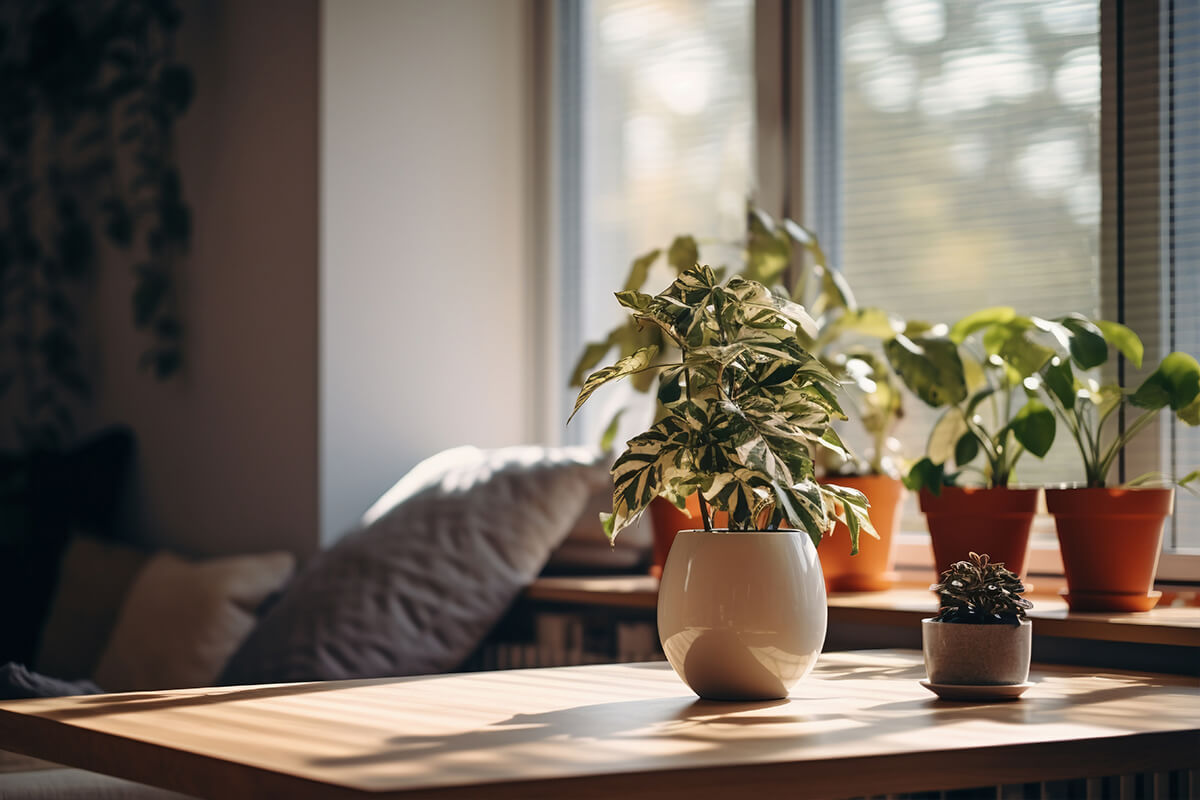
If you want a vibrant, easygoing houseplant, the Rainbow Plant (Dracaena marginata tricolor), with its striking stripes of pink, green, and creamy yellow, can make your home shine. But to keep its colors bold and leaves healthy, understanding its light needs is essential. The good news? The Rainbow Plant is adaptable—perfect for both beginners and busy plant lovers—but a little attention to lighting goes a long way.
What Are the Ideal Light Conditions for Dracaena marginata tricolor?
The Rainbow Plant loves bright, indirect light. Imagine sunlight filtered through a sheer curtain or reflected off a pale wall; that’s its happy place. This lighting helps its colorful stripes pop and keeps its growth steady.
If you can’t give it bright indirect light all day, don’t stress! Dracaena marginata tricolor is forgiving, but aiming for the best light spot in your home will reward you with a healthier, better-looking plant.
Where Should I Put My Rainbow Plant in the Room?
Placement makes all the difference for your Rainbow Plant. Ideally, position it:
- Near an east-facing window, where it catches the gentle morning sun.
- By a north-facing window, receiving steady, but not intense, daylight.
- A few feet away from a south- or west-facing window, with the light filtered through a curtain or placed behind other plants or furniture for shielding.
- Avoid letting the leaves touch cold glass in winter, as temperature swings can harm the plant.
Tip: If your home has only one window, choose a spot not in direct line with intense afternoon sun but close enough to bask in the brightness.
How Many Hours of Light Does a Rainbow Plant Need?
Aim for 8 to 12 hours of bright, indirect light daily. This amount supports healthy growth and keeps the plant’s colors vivid. Even during shorter winter days, try to provide as much indirect light as possible. If your space is naturally dim, consider supplementing with an LED grow light for a few extra hours.
Does the Rainbow Plant Tolerate Direct Sun or Shade?
- Direct Sun: Prolonged exposure to harsh, direct sunlight (especially in south- or west-facing windows) can scorch the Rainbow Plant’s delicate leaves. You might notice brown tips or faded colors if it gets too much sun.
- Shade: While tough, the Dracaena marginata tricolor won’t thrive in deep shade or dark corners. It may survive, but its growth will slow and the leaves may lose their bright stripes.
For most homes, filtered light or dappled shade is perfect—think of how sunlight filters through treetops in nature.
How Do I Know If My Space Is Bright Enough?
Ask yourself:
- Do you need to turn on a light in the room during the day to read comfortably? If yes, it’s too dim.
- Are your other plants happy and growing?
- Can you see a strong shadow when you hold your hand near the spot at noon? That’s usually bright enough!
If you’re still unsure, here’s a quick test:
1. Place your plant in your chosen spot.
2. Watch the leaf color and growth for 2-4 weeks.
If the Rainbow Plant’s new leaves are thin or the colors seem faded, try moving it a little closer to the window.
What Are Signs of Insufficient Light for Dracaena marginata tricolor?
Be on the lookout for:
- Faded or dull striping on leaves
- Leggy or stretched-out stems
- Leaf drop, especially lower leaves
- Slower than usual growth
If these symptoms appear, move the Rainbow Plant to a brighter location and watch for improvement.
How Can I Mimic Natural Conditions for My Rainbow Plant?
Mimicking the Rainbow Plant’s natural habitat is easier than you might think:
- Use sheer curtains to filter strong sunlight.
- Rotate your plant every couple weeks for even growth.
- In winter or low-light rooms, use a basic LED grow light for an extra boost.
- Wipe dust off leaves to allow light to reach them.
Summary: Give Your Rainbow Plant the Right Amount of Light
The Rainbow Plant (Dracaena marginata tricolor) shines in bright, indirect light, but it’s flexible. Avoid harsh sun and deep shade, aiming instead for 8-12 hours of filtered daylight. Good placement, regular dusting, and occasional use of grow lights can keep it happy even in most apartments. Remember, plants teach us as much as we care for them—so if things go wrong, you can always improve your plant’s spot until it’s just right!