Grape ivy (Cissus rhombifolia) is a classic houseplant beloved for its elegant trailing vines and easygoing nature, making it a favorite for both beginners and seasoned plant parents alike. Its tolerance for low light and forgiving care needs make it especially appealing for apartment dwellers or anyone wishing to add a touch of green to their space without a fuss.
Light Requirements
Grape ivy prefers bright, indirect light but is also quite content in moderate to low-light settings, making it perfect for apartments or offices with less sun. Avoid placing it in harsh, direct light which can scorch its leaves. Ideal spots are near north or east-facing windows, or several feet from a bright window.
Watering Schedule
Allow the top inch of soil to dry out before watering grape ivy—about once a week in most homes. Overwatered plants may develop yellow, mushy leaves; if leaves are crispy and dry, it likely needs more frequent watering. Grape ivy prefers average humidity but can adapt; using a humidifier is optional but can help in dry seasons.
Humidity & Temperature
Grape ivy thrives in average indoor temperatures: ideally between 60–80°F (16–27°C). It is sensitive to cold—avoid placing it near drafty windows or doors especially in winter. Extreme drops in temperature can cause leaf drop.
Soil & Potting
Use a standard, well-draining potting mix—nothing special needed. Repot grape ivy every two years, or when roots become crowded, to encourage healthy growth and prevent soil compaction.
Fertilizing
Feed grape ivy with a balanced, liquid houseplant fertilizer every 4–6 weeks during spring and summer. Skip fertilizer in winter when plant growth naturally slows.
Common Problems & Solutions
Yellow leaves? Usually from overwatering—let soil dry a bit more. Browning edges typically mean under-watering or very dry air. If leaves drop suddenly, check for drafts or cold exposure. Pests like spider mites or mealybugs are rare but treatable with insecticidal soap if noticed.
Extra Tips
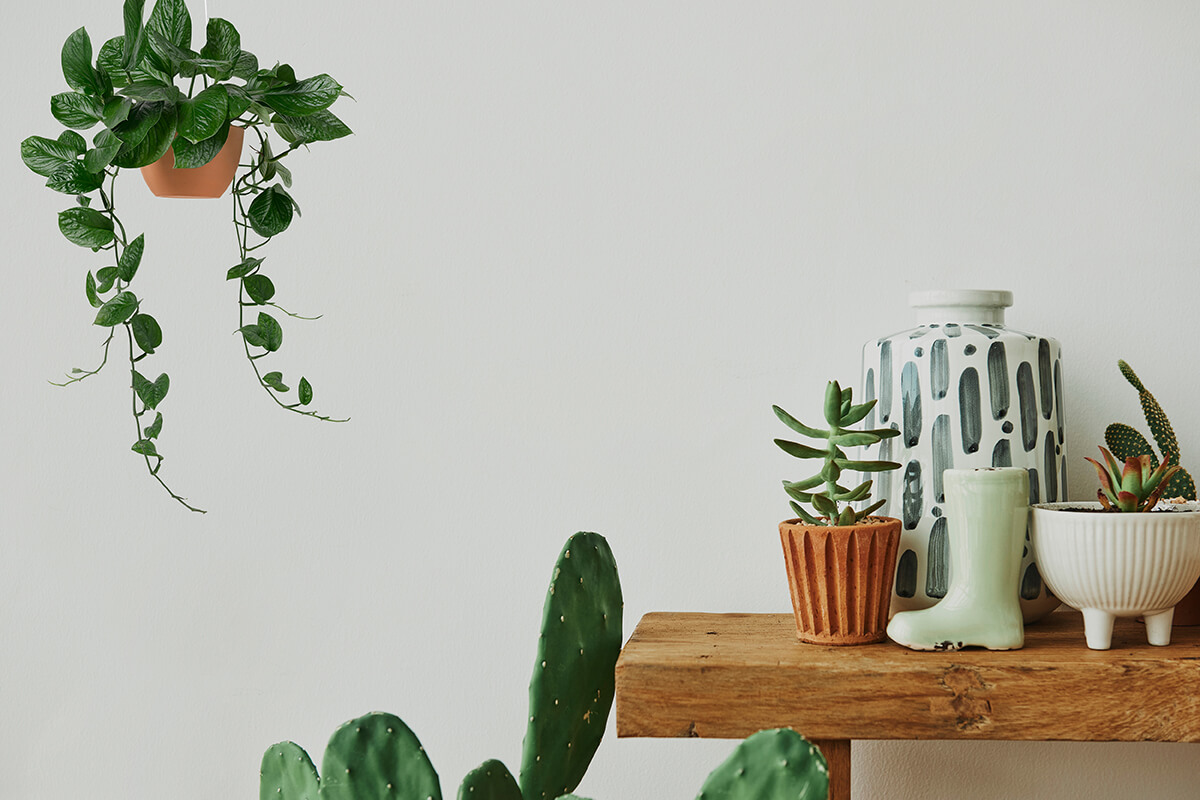
Grape ivy looks beautiful trailing from shelves or in hanging baskets for cascading vines. Try pairing with other low-light plants like pothos or peace lily for a lush display. Fun fact: grape ivy gets its name from its small clusters of grape-like berries (not edible) that may appear indoors in ideal conditions.