The Wandering Jew (Tradescantia zebrina) is a fast-growing houseplant famous for its striking purple and silver-striped foliage, making it a favorite among indoor gardeners. Not only is the Wandering Jew eye-catching, but it’s also known for being low-maintenance, forgiving, and beginner-friendly—perfect for anyone looking to add vibrant color to their living space.
Light Requirements
Your Wandering Jew thrives best in bright, indirect light. Too much direct sunlight can fade and scorch its colorful leaves, while too little light can make foliage look pale and leggy. Place it near a north or east-facing window, or a few feet away from a bright south-facing one. If space is limited, it will also tolerate fluorescent lighting.
Watering Schedule
Water your Wandering Jew when the top inch of soil feels dry to the touch—typically, once a week is enough. Overwatering causes yellow leaves and root rot, while underwatering leads to limp, dried-out foliage. If your apartment is very dry, a light misting keeps the plant happy, but a humidifier is generally not required.
Humidity & Temperature
Tradescantia zebrina prefers a warm environment—ideal temperatures are 60–80°F (16–27°C). Avoid placing your Wandering Jew near cold windows or in the path of drafts, as it can be sensitive to chilling. It enjoys average indoor humidity, so no need for extra effort unless your home is especially dry.
Soil & Potting
Plant your Wandering Jew in a well-draining, general-purpose potting mix. No special mix is needed, but make sure your pot has drainage holes to avoid waterlogging. Repotting every 1–2 years in spring will refresh the soil and encourage lush growth.
Fertilizing
Fertilize your Wandering Jew monthly during the active growing season (spring and summer) with a balanced, diluted houseplant fertilizer. Avoid over-fertilizing, as this can harm the plant.
Common Problems & Solutions
Yellow, wilted leaves usually mean overwatering; browning tips suggest underwatering or low humidity. Leggy growth is a sign of low light. Root rot can occur if the soil is too wet—always check drainage. Spider mites or aphids may appear; wiping leaves with soapy water often solves this. Don’t worry—most problems are easy to fix with a bit of observation and patience.
Extra Tips
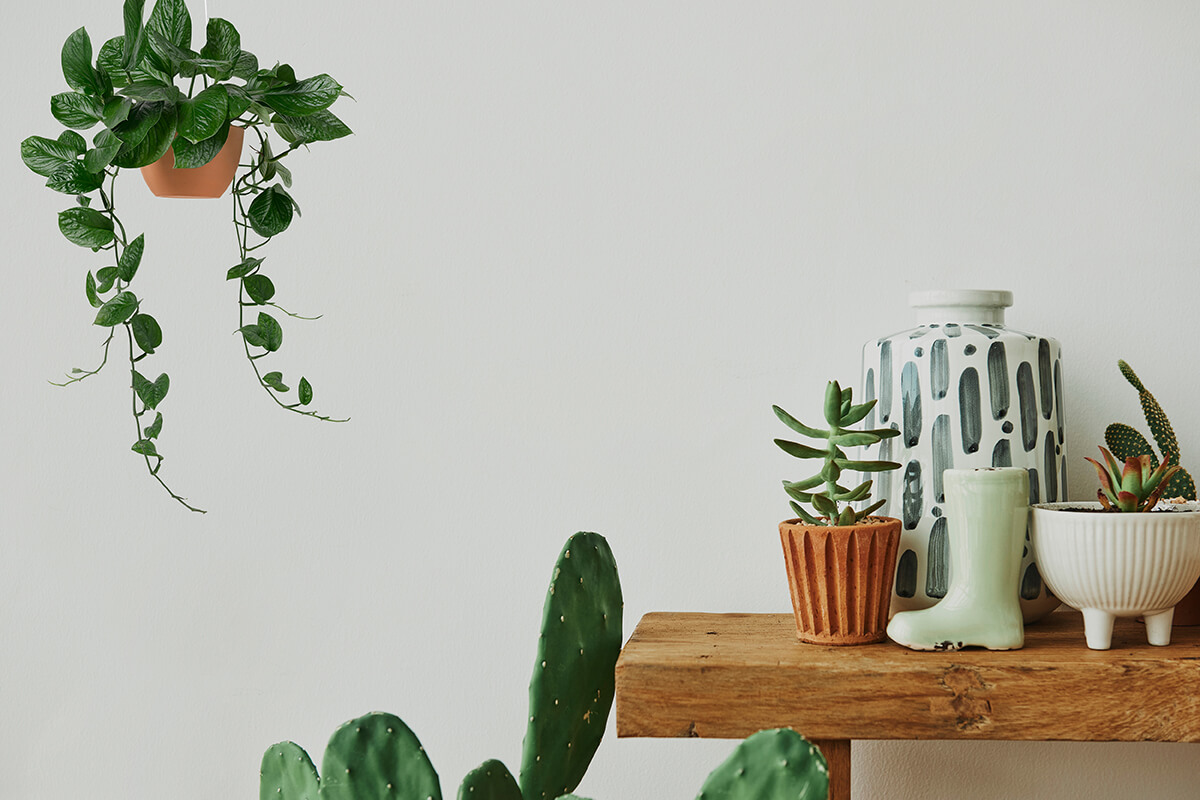
Pinch or trim your Wandering Jew regularly for a bushier appearance or to propagate cuttings in water. Let it cascade from a hanging pot for dramatic effect, or combine with other easy-care plants like pothos or spider plant. Fun fact: The Wandering Jew is admired for its rapid growth—snip some stems and share with friends!