If you’ve welcomed a Baby Rubber Plant—known botanically as Peperomia obtusifolia—into your home, congratulations! This charming, compact plant, with its glossy leaves and forgiving nature, is a favorite among plant enthusiasts, including those just starting out. But one of the biggest questions new plant parents have is: *How exactly should I water my Peperomia obtusifolia?* Don’t worry—it’s easy once you know what your Baby Rubber Plant needs, and even if you’ve over- or underwatered in the past, you can start fresh today.
How Often Should I Water My Baby Rubber Plant?
Unlike some houseplants that always seem thirsty, the Peperomia obtusifolia likes its soil on the drier side. It’s best to water only when necessary.
- Check the soil moisture: Stick your finger about an inch into the soil. If it feels dry at that depth, it’s time to water. If it’s still moist, wait a few days.
- Typical frequency: In most apartments, watering every 10 to 14 days is a good starting point. In winter or lower light, you may only need to water every 3 weeks.
- Remember, your home’s humidity and temperature will affect how fast the soil dries out. Use touch, not a strict schedule.
How Much Water Does Peperomia obtusifolia Need?
The Baby Rubber Plant isn’t fussy about extravagant drinks. Here’s a simple routine:
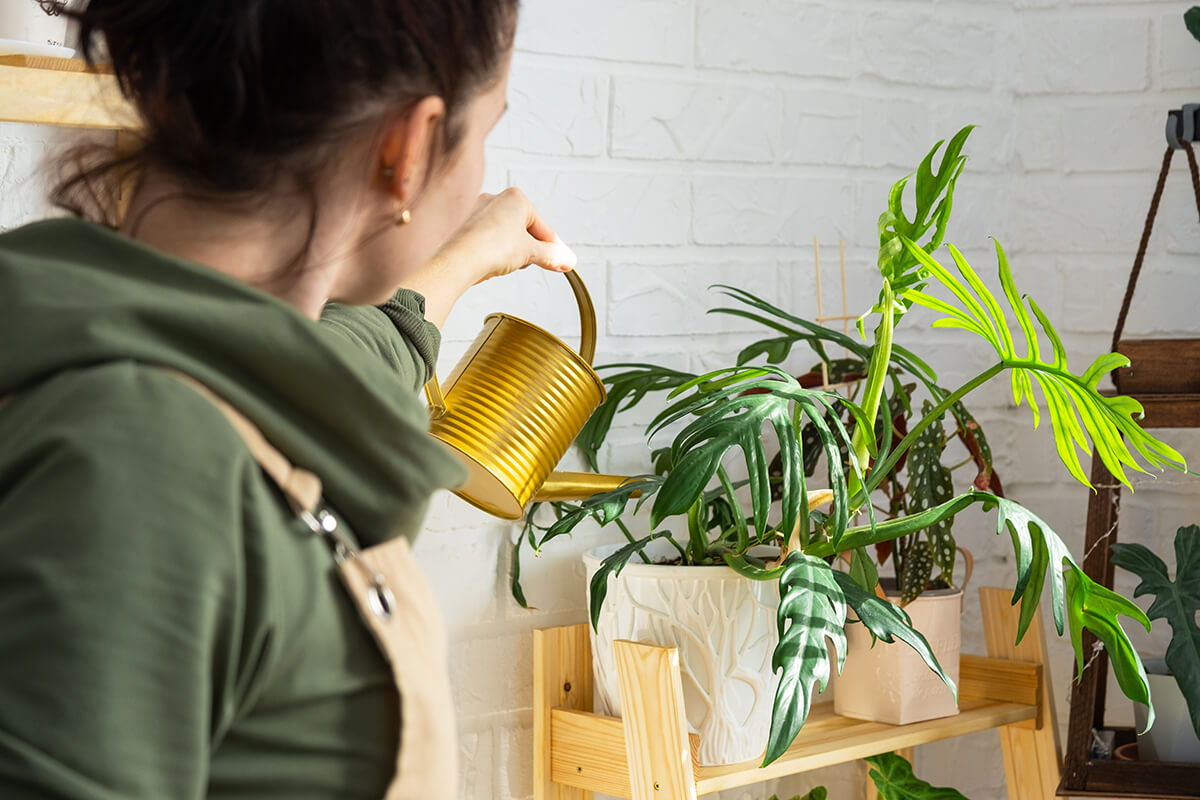
- Water thoroughly, but not excessively: Pour water slowly into the soil until a little starts to drain from the bottom of the pot. This ensures all roots get a drink.
- No need to drench: Avoid leaving the plant standing in a saucer full of water.
- Container and soil matter: Plants in smaller pots or in dense soil need less water. Light, well-draining soil is ideal.
- Observe the leaves: Slightly puckered leaves can mean it’s thirsty. Mushy or see-through leaves signal too much water.
Should I Mist or Spray My Baby Rubber Plant?
Good news: Peperomia obtusifolia doesn’t require regular misting. It tolerates typical apartment humidity well.
- Misting is optional: You can mist occasionally to increase shine or remove dust, but it’s not a necessity.
- Watch for mold: Frequent misting can lead to mold or leaf spots, especially in poorly ventilated areas.
What Are the Humidity Needs of Peperomia obtusifolia?
One reason the Baby Rubber Plant thrives indoors is its easygoing attitude toward humidity.
- Ideal range: Between 40–60% is perfect, which is typical for most homes.
- No humidifier required: If your apartment is dry in winter, grouping plants together or placing a tray of pebbles with water nearby can help, but it’s rarely essential.
- Avoid extremes: If brown, crispy edges appear on leaves, check humidity and try moving the plant away from direct heat sources.
Is Overwatering a Concern for Baby Rubber Plant?
Yes—Peperomia obtusifolia is sensitive to overwatering. In fact, too much water is a common cause of trouble.
- Symptoms of overwatering: Yellowing leaves, black stems, mushy roots, and a sour smell in the soil.
- Prevention tips: Always use a pot with drainage holes and empty any excess water from the saucer after watering.
- Don’t panic: If you think you’ve overwatered, let the soil dry out and consider repotting in fresh, dry soil if the problem persists.
Is Baby Rubber Plant Drought Tolerant?
Absolutely—up to a point. The Peperomia obtusifolia stores some water in its thick leaves, so it can handle a missed watering here and there.
- Don’t leave it bone-dry for weeks: Chronic dryness can cause dull, shriveled leaves.
- Better dry than soggy: If in doubt, wait an extra day before watering.
Top or Bottom Watering: Which Is Best for Peperomia obtusifolia?
Both methods can work, but top watering is usually easiest for this plant.
- Watering from the top: Pour gently onto the soil, avoiding the leaves. This helps prevent rot.
- Bottom watering: Place the pot in a shallow dish of water for 10–15 minutes; let the plant soak up the moisture from below. Finish by letting excess water drain off.
- Whichever you choose, always drain excess water.
What Should I Do With Excess Water After Watering?
- Never let your Baby Rubber Plant sit in water. After watering, remove any standing water from a tray or saucer beneath the pot.
- Drainage is vital: Good pots and well-draining soil protect against root rot.
Quick Checklist: Watering Baby Rubber Plant
1. Check soil before watering—dry at least 1 inch down
2. Water every 10-14 days (adjust for season & conditions)
3. Water thoroughly but don’t leave standing water
4. Misting is optional (not required)
5. Use pots with drainage holes
6. Relax—occasional missed waterings are okay!
Summary: Baby Rubber Plant Watering Tips
Caring for a Baby Rubber Plant (Peperomia obtusifolia) is refreshingly simple. Let the soil dry between waterings, avoid stagnant water, and give an occasional extra sip only when needed. Don’t worry if you make a mistake—plant care is a journey, and your Baby Rubber Plant is a forgiving companion. Happy growing!