Baby’s tears, also known as Soleirolia soleirolii, is a charming plant loved for its delicate, cushiony carpet of tiny, bright green leaves. If you’ve brought home a pot of Baby’s tears, you’re probably enchanted by its soft appearance—and maybe a little puzzled about how to keep it healthy and vibrant, especially when it comes to watering. Don’t worry; you’re not alone. Many plant parents find the watering routine for Soleirolia soleirolii a bit tricky at first! This guide will gently walk you through all you need to know about watering Baby’s tears, even if you’re new to houseplants or have made mistakes in the past.
How Often Should You Water Baby’s tears?
Every plant has its own rhythm, and Baby’s tears is no exception. Soleirolia soleirolii likes its soil to be consistently moist, but not soggy. This means you’ll need to water it more often than many other houseplants.
- Check the soil every few days. If the top half-inch feels dry, it’s time to water.
- In warm months or heated indoor environments, you might water every 3-4 days.
- In cooler months, weekly watering is usually enough.
- Don’t get discouraged if you need to adjust! Every apartment’s humidity and temperature are a bit different.
Keep in mind: the plant may need more frequent watering in a sunny location or during summer, and less if it’s in a shadier spot or cool room.
How Much Water Does Soleirolia soleirolii Need?
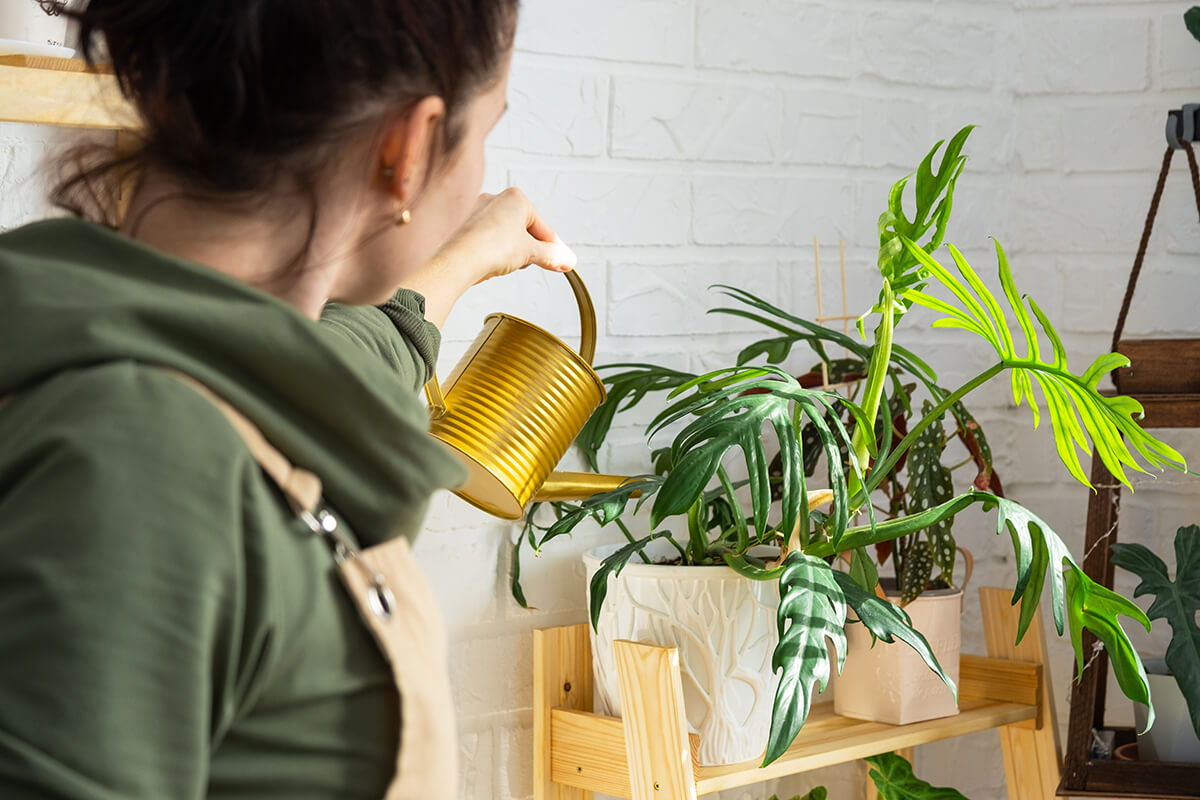
With Baby’s tears, “just enough” is the sweet spot. You want to moisten the soil evenly, but not let water stand at the bottom of the pot.
Steps to Water Properly:
1. Pour water slowly until it just begins to drain out of the bottom.
2. Wait a few minutes, then empty any excess water from the saucer or cachepot.
3. Always use room-temperature water—cold water can shock those delicate roots.
# What About Excess Water?
Don’t leave water sitting at the bottom of the pot or in a saucer; Baby’s tears roots are sensitive and can rot easily. If you accidentally overwater, tip the pot gently to remove extra water and let the soil breathe.
Should You Spray or Mist Baby’s tears?
Spraying or misting is a great way to boost humidity for Soleirolia soleirolii, especially in dry apartments. The plant loves a moist atmosphere!
- Mist the leaves once or twice a week, especially in winter when indoor air is dry.
- Use a fine mist so the leaves don’t stay wet for too long.
Only mist as a supplement—it doesn’t replace soil watering.
What Are the Humidity Needs for Soleirolia soleirolii?
Soleirolia soleirolii comes from a naturally damp habitat, so it enjoys high humidity.
- If your apartment is dry, increase humidity by misting, using a humidifier, or placing the pot on a shallow tray with water and pebbles.
- Avoid putting the pot in drafty or overly dry spots, like above a heater.
Is Baby’s tears Sensitive to Overwatering? Can It Tolerate Drought?
Baby’s tears is sensitive both ways!
- Overwatering Risk: Roots rot easily if left soggy. Always empty excess water and use pots with drainage holes.
- Drought Risk: The leaves wilt and turn brown quickly if the soil dries out. Try not to let the soil get crunchy-dry.
If you forget once or twice, all is not lost—just water thoroughly and resume regular care.
Bottom Watering vs. Watering From the Top: Which is Better?
Both ways work for Baby’s tears!
- Top watering: Encourages even soil moisture but may disturb fragile foliage. Be gentle and pour slowly.
- Bottom watering: Place the pot in a shallow dish of water for 10–15 minutes. The roots soak up water without splashing the leaves.
Many plant lovers alternate methods to avoid water spots on leaves and encourage healthy root growth.
Summary: Happy Watering for Strong, Lush Baby’s tears
Watering Baby’s tears (Soleirolia soleirolii) well means keeping their soil gently moist, not wet, and giving them plenty of humidity. Check the soil with your finger, avoid standing water, and don’t stress if you’ve made mistakes—these beautiful little plants are quite forgiving if you adjust your routine. With a bit of patience, you’ll have a thriving, vibrant carpet of Baby’s tears in your home.