
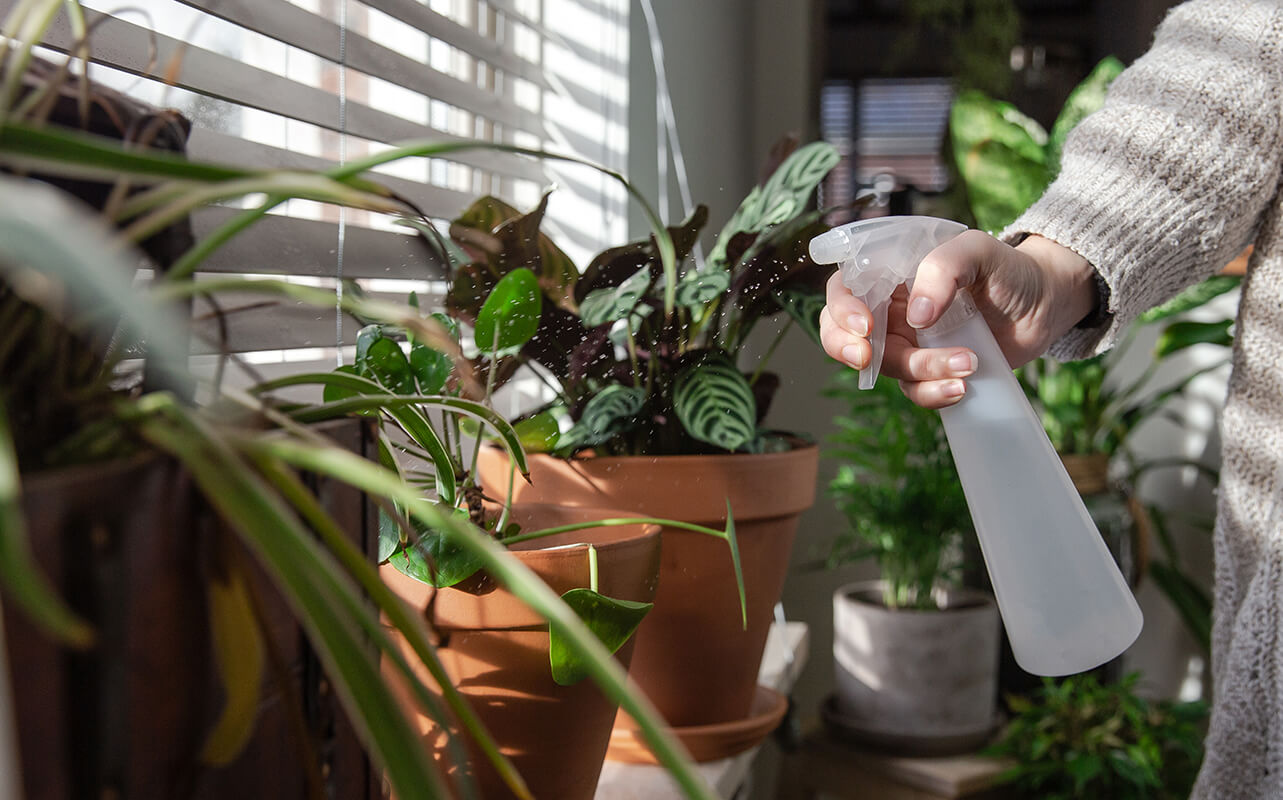
Caring for a Chinese Banyan, also known by its botanical name *Ficus microcarpa*, is a rewarding experience. These graceful trees are popular houseplants, admired for their glossy leaves and air-purifying qualities. Yet, many new plant owners wonder: how much and how often should you water your Chinese Banyan? Watering might seem simple, but it’s the heart of healthy plant care. If you’re new to this, don’t worry—*everyone* learns as they go. Let’s explore how to water Ficus microcarpa the right way, including frequency, quantity, humidity tips, and how to avoid common mistakes.
How Often Should You Water a Chinese Banyan?
The frequency depends on your home, not just the calendar! Ficus microcarpa prefers soil that stays evenly moist but never soggy. Here’s a simple guideline:
- Spring to Early Fall (Growing Season): Water once a week or when the top inch of soil feels dry.
- Late Fall and Winter: Reduce watering. Every 10–14 days is usually enough, but always check the soil first.
Always poke a finger about an inch into the pot. If it feels dry, it’s time to water. If it’s still damp, wait a few more days. This is a plant that likes consistency but hates soggy shoes—err, roots.
How Much Water Does Ficus microcarpa Need?
Enough to moisten the soil evenly, with a little extra draining out the bottom. The key is to water thoroughly, not just a splash on the surface. When you water:
1. Use room-temperature water—cold water can stress the roots.
2. Water slowly around the base of the plant.
3. Stop when you see water begin to drain from the bottom of the pot.
4. Wait a minute, then dump out any water from the saucer.
If your pot doesn’t have drainage holes, consider repotting. Without drainage, it’s much easier to accidentally overwater.
Is the Chinese Banyan Sensitive to Overwatering?
Yes—this plant is prone to root rot if left in soggy soil. In apartments, especially during cooler months, soil can dry out much slower. Signs of too much water include yellow leaves, wilting, or a musty smell. If you think you’ve overwatered, let the soil dry out before watering again. And don’t worry—mistakes happen. Most Ficus microcarpa plants are forgiving once you get the watering just right.
Does Ficus microcarpa Need High Humidity? Should You Mist It?
Chinese Banyan appreciates *moderate* humidity (around 40–60%), which is similar to many homes. However, it’s not as fussy as some tropical plants. If your home is very dry, especially in winter, you can help the plant by:
- Grouping it with other plants for shared humidity
- Setting the pot on a tray of pebbles and water (the pot should not sit *in* water)
- Lightly misting the leaves once or twice a week
Misting isn’t required every day, but it can help if the air is dry. Avoid heavy daily misting, which might encourage diseases.
Is Ficus microcarpa Drought Tolerant?
The Chinese Banyan *can* handle short dry periods—so if you forget to water once or twice, it probably won’t mind. However, consistently dry soil can cause leaf drop. Your best bet: check soil moisture regularly rather than watering on a rigid schedule.
Top Watering vs. Bottom Watering: Which Is Better?
Either method works, but here’s how to decide:
- Top watering (watering from above) is most common and easiest for beginners. It helps flush out salts from the soil.
- Bottom watering (setting the pot in a tray of water so soil soaks up from below) gives a deep drink, especially for root-bound plants.
Most apartment dwellers find top watering more practical and less messy. Whichever you choose, always empty excess water after about 15 minutes so roots don’t sit in water.
What Should You Do With Excess Water After Watering?
Never let water pool in the saucer under your plant. After watering, wait 10–15 minutes, then pour out any leftover water. This simple step prevents root rot and keeps your Ficus microcarpa happy.
Quick Watering Checklist for Chinese Banyan
- Water when top inch of soil is dry
- Use room-temperature water
- Water thoroughly until excess drains out
- Always empty water from the saucer
- Mist lightly if air is dry
- Adjust frequency with the seasons
Summary: Watering Chinese Banyan Made Simple
Watering your Chinese Banyan is about balance—keeping soil moist but never soggy, watching for signs from your plant, and removing extra water. With a little attention, your Ficus microcarpa will thrive—even if you make a mistake or two along the way. Remember, learning proper watering is a journey, and each plant (and person!) finds their rhythm over time.