
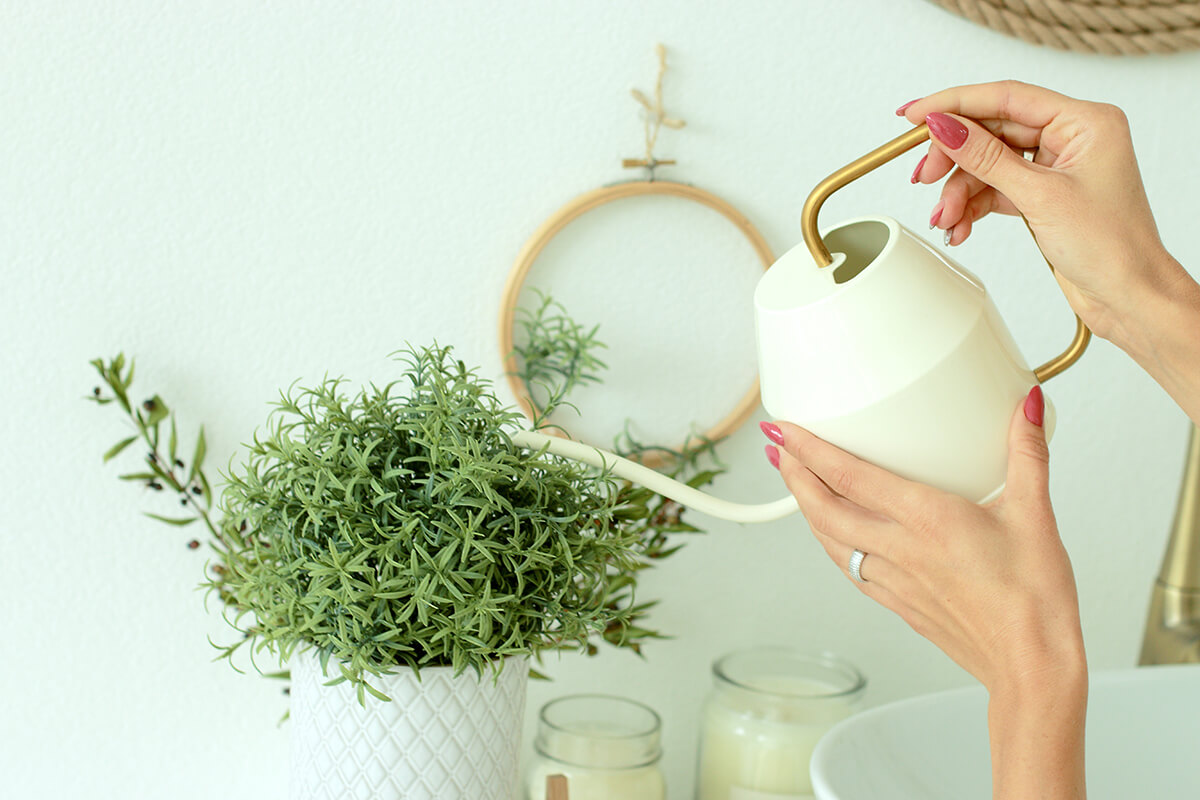
Are you the proud owner of a lovely Chinese lantern, also known as Abutilon hybridum “Canary bird”? With its delicate, brightly colored yellow flowers and graceful maple-like leaves, this cheerful plant can quickly become a favorite in any indoor garden. But like all houseplants, your Chinese lantern needs just the right amount of water to thrive.
If you’re wondering how often to water, how much to give, or what happens if you go a bit off track, you’re in the right place. Let’s talk about providing the perfect hydration for your Abutilon hybridum “Canary bird”, step by step, with some reassuring tips along the way.
How often should you water Chinese lantern (Abutilon hybridum “Canary bird”)?
How frequently you should water your Abutilon hybridum “Canary bird” depends on several factors—like temperature, humidity, and light. That may sound overwhelming, but don’t worry! Here’s a straightforward starting point:
- During the growing season (spring to early autumn): Water once the top 1 inch (about 2.5 cm) of soil feels dry. This usually means watering every 5–7 days indoors, sometimes more in hot conditions.
- In winter: Reduce watering. Your Chinese lantern is resting, so only water every 10–14 days, or when the top 2 inches of soil are dry.
To check: Stick your finger into the soil. If it feels dry up to your first knuckle, it’s time to water.
How much water does Abutilon hybridum “Canary bird” need?
It’s best to water thoroughly—meaning the water should reach all the roots, not just the surface.
- Pour water slowly and evenly until you see a little water draining from the pot’s bottom.
- Empty any saucer or tray underneath after about 15 minutes, so the roots don’t sit in water.
Pro tip: If your Abutilon “Canary bird” is in a large pot, you might water a little more each time; for smaller pots, be careful not to swamp it.
Does Abutilon “Canary bird” like misting or humidity?
Chinese lantern loves moderate humidity. Indoor air can become dry, especially with central heating, so misting can help the leaves look their best.
- Light misting: Use a spray bottle to gently mist the leaves every few days, especially in dry seasons.
- Humidity tray: Placing your pot on a shallow tray with pebbles and water boosts humidity—just be sure the pot isn’t sitting in water, as that can cause root rot.
Is Chinese lantern sensitive to overwatering or drought?
Abutilon hybridum “Canary bird” is more sensitive to overwatering than underwatering. Wet, soggy soil can quickly lead to root rot—a common problem for new plant parents.
- Signs of overwatering: Yellowing leaves, wilting despite moist soil, or a musty smell.
- If you notice these, let the soil dry out more before your next watering.
On the other hand, the Chinese lantern can tolerate short dry spells, but regular long-term drought will slow growth and reduce flowering. Try to avoid letting it completely dry out for weeks at a time.
Best watering method: top or bottom for Chinese lantern?
Top watering is generally preferred for Abutilon hybridum “Canary bird”. Pour water gently over the soil surface so it absorbs evenly and flushes out any salts in the soil.
Bottom watering—where you let the pot absorb water from a tray—can be used occasionally if you notice dry patches, but always drain excess water afterward.
What should you do with excess water after watering Abutilon “Canary bird”?
Never leave water sitting in the saucer or tray below your Chinese lantern’s pot. After watering, wait about 10–15 minutes, then pour out any excess. This helps prevent soggy roots and encourages healthy growth.
Quick Care Checklist: Watering Abutilon hybridum “Canary bird”
1. Check soil moisture with your finger.
2. Water thoroughly; let drain.
3. Remove excess water from saucer.
4. Mist leaves, especially in dry air.
5. Avoid overwatering—better a little dry than too wet!
Summary: The key to happy Chinese lantern watering
Caring for your Abutilon hybridum “Canary bird” doesn’t have to be stressful. Remember: let the top of the soil dry out between waterings, water deeply but infrequently, and keep the humidity comfortable. If you miss a watering or water too much, don’t worry—your Chinese lantern is forgiving, and with a bit of practice, you’ll find the perfect rhythm for a gorgeous, healthy plant.