
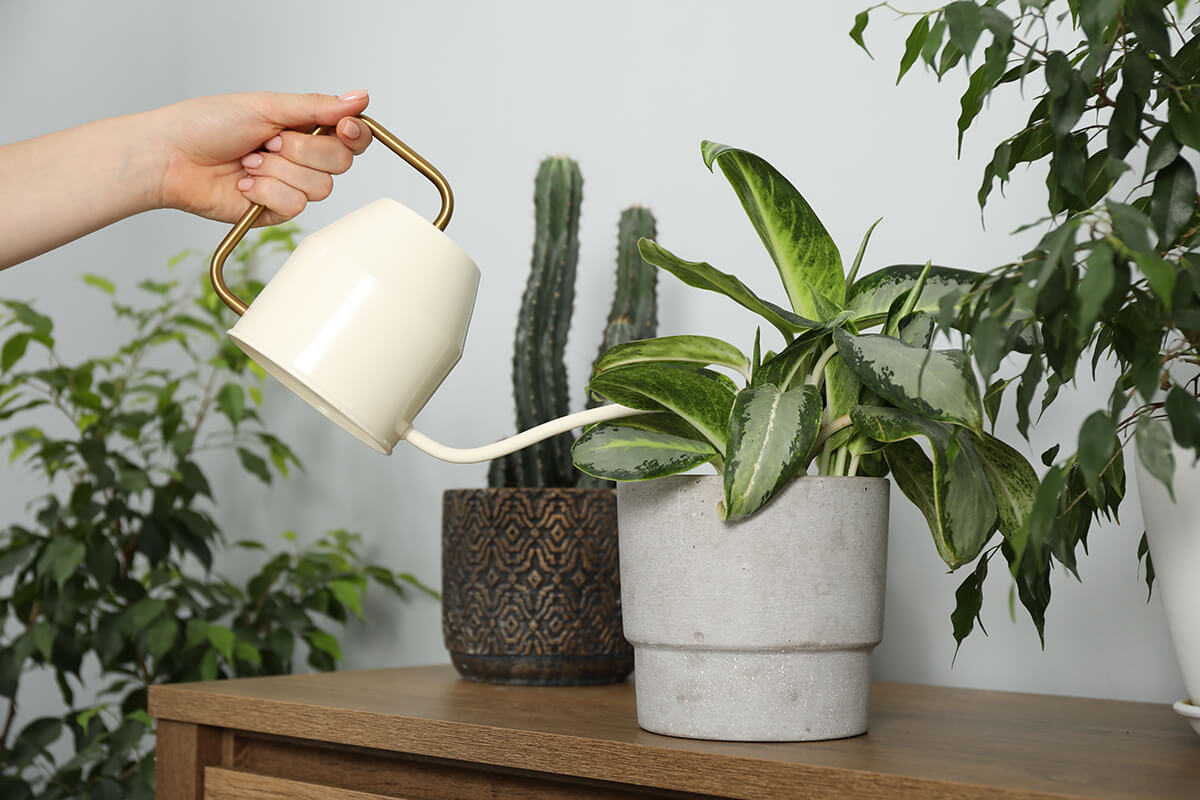
Caring for a Dragon Fruit (Selenicereus undatus) can be both exciting and a little puzzling, especially when it comes to watering. This striking cactus is famous for its delicious fruit and its unique, sprawling stems — but what really keeps it happy at home? Water! Or, more importantly, just the *right* amount of water. If you’re new to growing Selenicereus undatus, don’t worry. With some simple tips, you can keep your dragon fruit thriving, even if you’ve had a few “oops” moments with other plants in the past.
How Often Should I Water Dragon Fruit?
Selenicereus undatus, like many cacti, prefers a bit of dryness between drinks. Watering too much is a common mistake — but underwatering sometimes happens, too.
A general rule: Water your dragon fruit when the top 2 inches of soil feel dry.
- Spring and Summer (growth period): Water about once every 1–2 weeks.
- Fall and Winter (resting period): Water less, maybe every 2–4 weeks.
Every home is different! Light, temperature, and humidity change how quickly soil dries out, especially in apartments. Always touch the soil first before watering. If it feels even a little damp, wait a few more days.
How Much Water Does Selenicereus undatus Need?
When you do water, think “deep but not soggy.” The goal is to moisten the soil, but never swamp it.
- Water until you see a bit draining from the bottom of the pot.
- For smaller pots (6-8 inch), this could be roughly 1/4–1/2 cup per watering.
- For larger containers, use enough so the water reaches the roots but stops when it starts draining out.
Tip: Always use a pot with drainage holes. Leaving your Dragon Fruit sitting in water can lead to root rot — this cactus really dislikes wet feet!
Should You Mist or Spray Dragon Fruit? What About Humidity?
Dragon Fruit plants look like they might enjoy a little spray, but usually, they don’t need misting. Selenicereus undatus is adapted to drier climates. Regularly spraying the stems can actually lead to fungal issues in apartments with low air flow.
Instead:
- Average room humidity (40–60%) is just fine.
- In very dry apartments, a small humidifier placed nearby (not directly on the plant) can help during winter, but it isn’t essential.
Is Dragon Fruit Sensitive to Overwatering or Drought?
Yes, Selenicereus undatus is very sensitive to overwatering. Its roots can rot in constantly damp soil. Signs to watch for include mushy stems, soft yellowing spots, or an earthy-sour smell from the pot. If this happens, let the soil dry completely and adjust your watering schedule.
The good news: Dragon Fruit is drought-tolerant, at least for short periods. If you forget to water for a week or two, it’s usually forgiving. Stems may shrink a little, but they perk up after a good watering.
Bottom Watering vs. Watering from the Top: Which Is Best?
You can water from the top (pouring water onto the soil) or use bottom watering (placing the pot in a tray of water to soak up moisture). For Selenicereus undatus, either works, but many growers find top watering is easier and helps remove salt buildup from fertilizer.
If you bottom water:
1. Set the pot in a tray with 1–2 inches of water.
2. Let it soak for 20–30 minutes.
3. Remove excess water and let the pot drain fully.
What Should You Do With Excess Water After Watering?
Always remove excess water from trays or saucers under your plant after watering. If the pot sits in leftover water, roots can suffocate and rot. After each watering, check the saucer after 15–30 minutes and pour out any standing water.
Key Takeaways: How to Water Your Dragon Fruit
- Let soil dry out before watering.
- Water deeply, but never let the plant sit in soggy soil.
- Mist only if air is extremely dry — generally, it’s not needed.
- Use a pot with drainage holes, and discard any leftover water.
- Don’t panic if you miss a watering; Dragon Fruit is tough!
Watering your Selenicereus undatus doesn’t have to be stressful. With a little observation and these simple routines, your Dragon Fruit will flourish — and maybe even surprise you with a bloom or tasty fruit!