Caring for a Fatsi, or Fatsia japonica, is a rewarding experience. This striking plant brings a bold, tropical vibe to any home or apartment with its glossy, hand-shaped leaves. One of the most important aspects of keeping your Fatsi thriving is getting the watering routine just right. If you’ve ever wondered “how often should I water my Fatsia japonica?,” or worried about humidity, overwatering, or misting, you’re in the right place. Let’s break it down together, so both you and your Fatsi can feel confident and happy.
How Often Should You Water Fatsia japonica?
Fatsi likes its soil to stay consistently moist but never soggy. Finding the sweet spot is easier than it sounds.
Generally, you should water your Fatsia japonica when the top inch of soil feels dry to the touch. For most homes, this means watering once a week. However, your own apartment’s conditions—like light, temperature, and humidity—can make a real difference. In winter, growth slows down, so your Fatsi might only need water every 10-14 days.
Quick tip: Stick your finger about an inch into the soil. If it feels dry at that depth, it’s time to water. If it still feels damp, wait a few more days and check again.
How Much Water Does Fatsi Need?
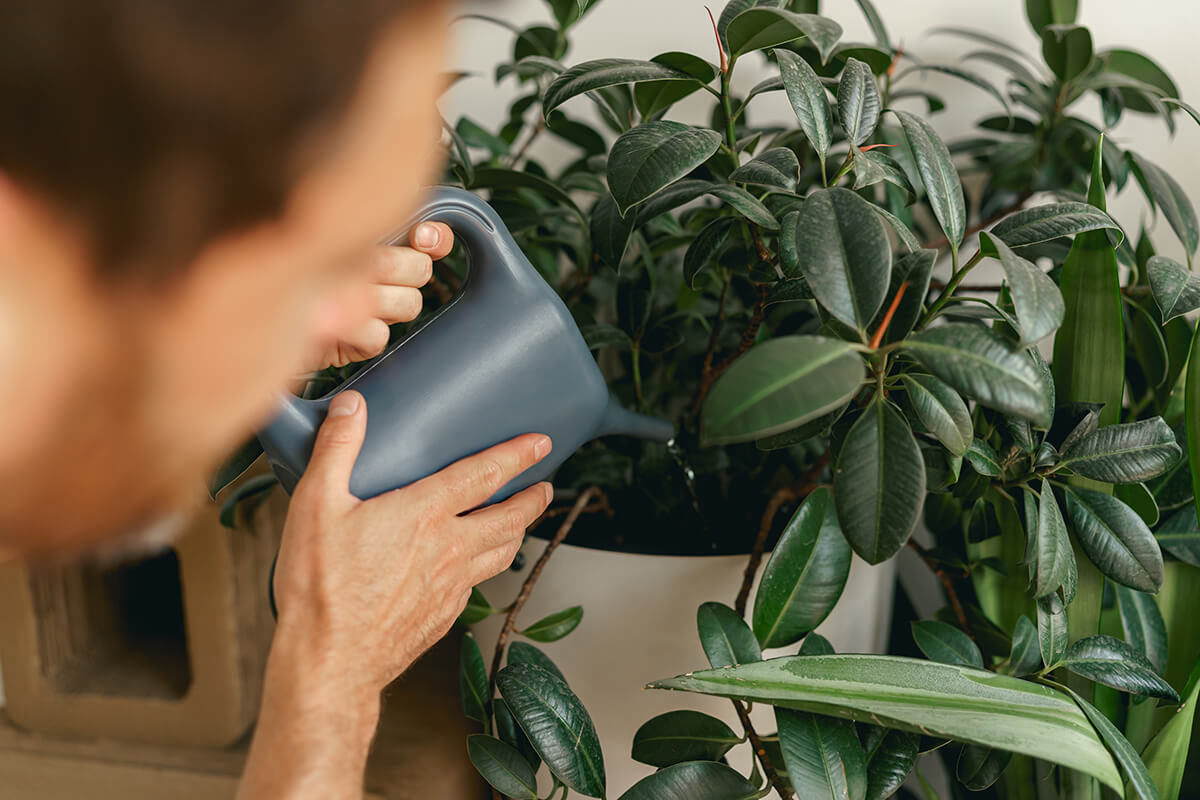
When it’s time to water your Fatsi, be generous but not excessive. Slowly pour water over the soil until you see a bit draining from the bottom of the pot.
A good rule of thumb:
- For a medium-sized Fatsi (in a 20cm/8in pot): about 0.5 to 1 liter of water should be enough.
- For larger plants or bigger pots, add more accordingly.
- Always stop as soon as you see the first drips coming out below.
If your Fatsia japonica sits in a decorative pot with no drainage, be extra careful—too much water can spell trouble. Always remove excess water to keep the roots healthy.
Should You Mist Fatsi? What About Humidity?
Fatsia japonica does appreciate a little extra humidity, but regular misting isn’t required. These plants like moderate to high humidity (think 40-60% is ideal), so if your apartment air is dry—especially in winter—a bit of help can go a long way.
How to boost humidity for your Fatsi:
- Place your plant on a tray filled with pebbles and water. As the water evaporates, humidity increases around the plant.
- Group your houseplants together—they naturally raise the humidity near each other.
- Run a small humidifier nearby, if possible.
If you want to mist, use lukewarm water and avoid spraying so much that water drips off the leaves. A gentle spritz two or three times a week is enough, especially when the air is dry.
Is Fatsia japonica Sensitive to Overwatering?
Yes, Fatsia is sensitive to overwatering. The roots prefer to breathe, and sitting in waterlogged soil can cause rot—a common issue for beginner plant parents.
Watch for these warning signs:
- Wilting or yellowing leaves (especially from the bottom up)
- Soggy or musty-smelling soil
If you spot these, let the soil dry out a bit before watering again, and make sure your pot has drainage holes.
Is Fatsia Drought Tolerant?
Fatsia japonica can bounce back from an occasional missed watering, but it isn’t truly drought tolerant. Dry soil for too long will cause the leaves to droop or brown at the edges. If you forget once or twice, don’t stress—just get back to your regular routine and tidy up any damaged leaves.
Should You Water from the Top or Bottom?
Both methods can work for Fatsi, but watering from the top is usually more straightforward for indoor gardeners.
- Top watering: Slowly pour water onto the soil surface, letting it soak through.
- Bottom watering: Set the pot in a shallow dish of water for about 15 minutes, so the roots can absorb moisture. Then lift the pot and let it drain.
If you choose bottom watering, be careful not to let the pot sit in water for too long (more than 30 minutes), as this can encourage root rot.
What Should You Do With Excess Water?
Never let Fatsia japonica sit in standing water. After watering, make sure to empty any saucer or outer pot within 15 minutes. This simple step helps prevent root rot and keeps your Fatsi healthy and happy.
Quick Checklist: Watering Your Fatsi Indoors
1. Check soil moisture at least weekly.
2. Water thoroughly when the top inch is dry.
3. Empty the pot saucer soon after watering.
4. Boost humidity if your air is dry.
5. Watch for wilting or yellowing as a sign to adjust your routine.
Summary: Confidently Watering Your Fatsi
Watering Fatsia japonica doesn’t have to be stressful. Remember, your Fatsi loves steady moisture, dislikes soggy feet, and appreciates a little humidity. Be patient with yourself as you learn—every plant parent makes a mistake or two. Keep the tips above handy, and you’ll enjoy a lush, healthy Fatsi for years to come.