The Gray dragon alocasia—also known as Alocasia maharani—is a prized jewel among houseplants. Its silvery, textured leaves look almost unreal, making it a favorite for collectors. But if you’re wondering, “How should I water my Alocasia maharani?” you’re not alone! This plant can seem a little mysterious at first, especially when it comes to the right watering routine.
Let’s walk step by step through watering your Gray dragon alocasia, so you can keep it healthy and thriving, even if you’re new to plant care. Don’t worry if you’ve had trouble in the past. Every plant lover has been there. With a few key tips, you’ll soon be watering like a pro.
How often should you water Gray dragon alocasia?
Alocasia maharani likes damp—not soggy—soil. The best rule? Water when the top inch of soil feels dry to the touch. In most indoor conditions, this usually means watering every 7 to 10 days. But remember—rooms with more warmth or sunlight may dry out faster.
- Test the soil with your finger: Gently stick your finger into the soil up to your first knuckle. If it feels dry, it’s time to water.
- In winter or with lower light, you might water less frequently, as the plant’s growth slows down.
Tip: It’s better to err on the side of underwatering than overwatering.
How much water does Alocasia maharani need?
Your Gray dragon alocasia wants a good “drink,” but not a flood. Here’s what to do:
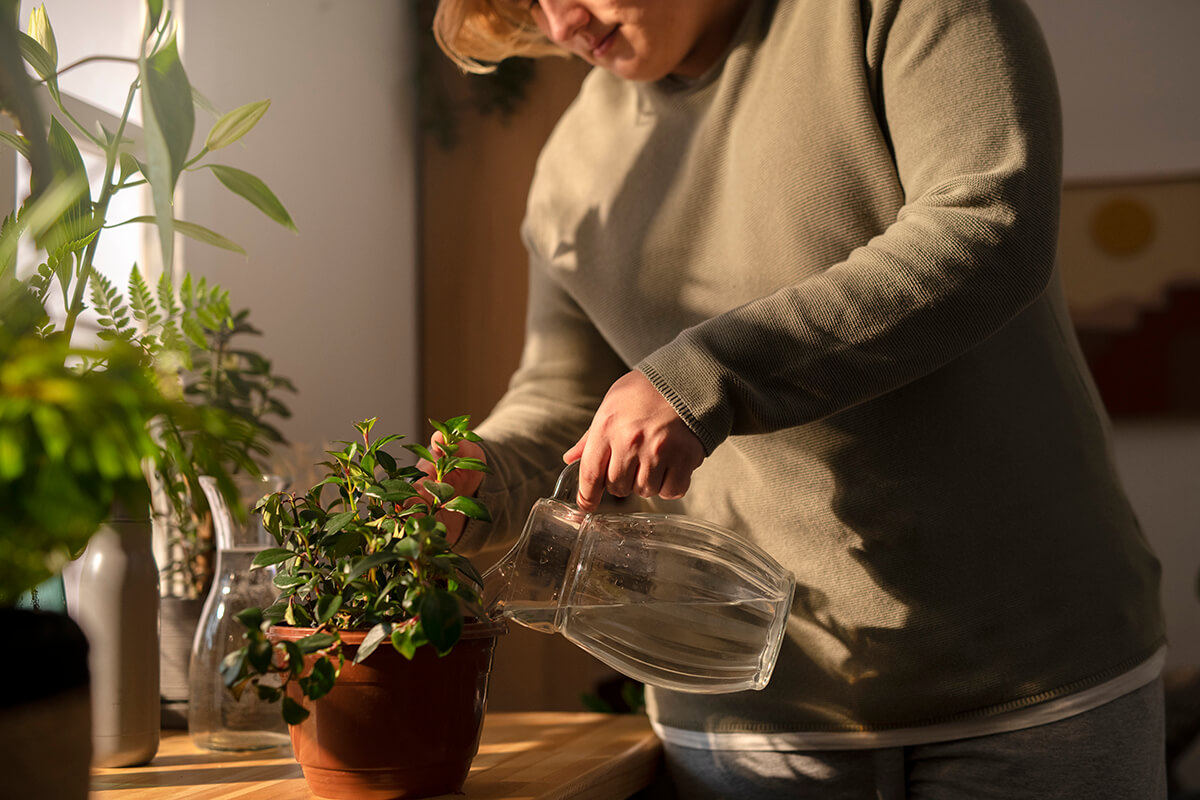
- Water evenly until water just begins to drip out of the pot’s drainage holes.
- Stop when you see excess water escaping from the bottom—don’t let it sit in a pool!
- Usually, about one cup (roughly 250 ml) for a standard 6-inch pot is enough, but adjust if you notice the soil stays soaked or dries very quickly.
Should you mist or spray your Gray dragon alocasia?
Spraying or misting isn’t needed daily for Gray dragon alocasia. While these plants love humidity, too much water on the leaves can cause problems. If you want to boost humidity, it’s better to:
- Place the pot on a shallow tray filled with pebbles and water
- Group your Alocasia with other plants
- Use a small room humidifier nearby, especially during dry seasons
Occasional gentle misting is okay, but avoid wetting the leaves at night, as this can lead to fungal issues.
What humidity does Alocasia maharani need?
Gray dragon alocasia prefers humidity levels above 50%. In most apartments, this means you might need a little extra help in winter, when heating dries out the air. Signs your plant wants more humidity include brown leaf edges or drooping.
Is Gray dragon alocasia sensitive to overwatering?
Yes! Overwatering is the main reason Alocasia maharani struggles indoors. Roots sitting in soggy soil may rot quickly, so always:
- Use a pot with drainage holes
- Never let the plant stand in water
- Empty any excess from the saucer after watering
Can Alocasia maharani tolerate drought?
Gray dragon alocasia isn’t tolerant of long dry spells. Wilting, yellowing leaves, or crispy edges mean it’s thirsty. However, always let the top inch of soil dry between waterings—it needs some breathability.
Should you bottom water or top water Gray dragon alocasia?
Both methods can work:
- Top watering is easier for beginners. Just pour water onto the soil and let it soak through, making sure the plant doesn’t “sit” in leftover water.
- Bottom watering (placing the pot in a dish of water for 30 minutes to soak up moisture) can help roots get an even drink, but be careful not to let the pot absorb too much.
Try both and see what works best for your routine, but always empty any extra water afterward.
What to do with excess water after watering Gray dragon alocasia?
After each watering, empty any water collected in the dish under the pot. Leaving the roots in water can cause rot—a common problem for those new to Alocasia care.
Summary: The key to watering Gray dragon alocasia
To help your Gray dragon alocasia shine, check the soil regularly, water thoroughly (not too often!), and keep an eye on humidity—without letting roots stay wet. Every plant parent makes mistakes, but with these simple steps, your Alocasia maharani will become a healthy, stunning part of your home.