
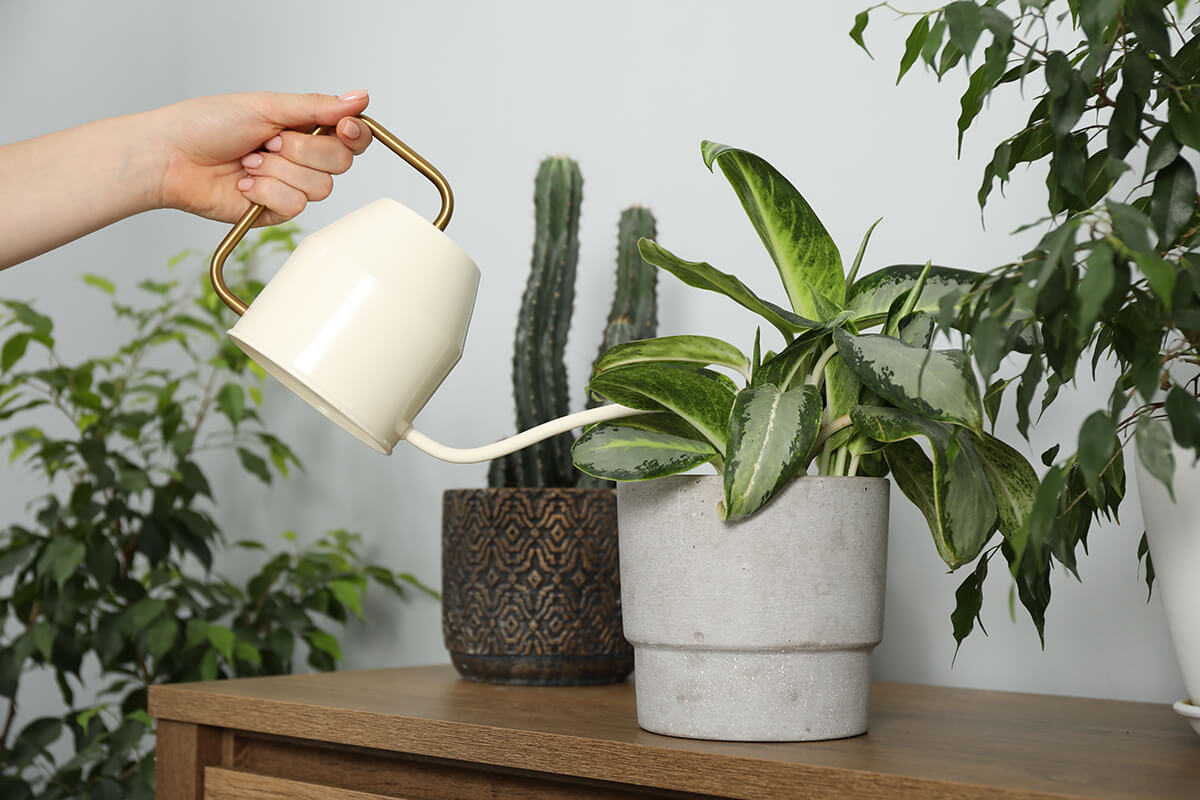
Growing Holloway’s crystalwort (Atriplex hollowayi) at home is a rewarding experience—especially if you want to help conserve a truly special plant. However, watering can seem tricky, especially for beginners. Luckily, you don’t have to be an expert to keep your Atriplex hollowayi happy and healthy! This guide answers common watering questions with friendly, practical tips suited to everyday life, whether you’re growing Holloway’s crystalwort on a windowsill, balcony, or in a small apartment.
How often should you water Holloway’s crystalwort?
Atriplex hollowayi prefers soil that’s moderately dry rather than constantly moist. In its natural habitat (coastal sand dunes in New Zealand), rain isn’t always regular, so the plant has adapted to drier conditions.
- Watering frequency: Allow the top 2–3 cm (about 1 inch) of soil to dry out before watering again. For most homes, this means watering about once every 7–10 days, but it may vary with temperature and sunlight.
- If the room is very warm or your plant gets lots of sunlight, check the soil a bit more often.
Tip: Insert your finger into the soil—if it feels dry at your fingertip’s depth, it’s time to water.
How much water does Atriplex hollowayi need?
Holloway’s crystalwort enjoys a thorough but infrequent drink.
- Water amount: Water until you see a bit of moisture coming out of the pot’s drainage holes. This ensures the roots get a deep, even watering.
- If using a saucer or tray, empty any extra water after 10–15 minutes. Don’t let the plant stand in water, as this can cause the roots to rot.
Should you spray or mist Holloway’s crystalwort?
It’s easy to think misting is helpful, but for Atriplex hollowayi, spraying the leaves isn’t necessary. These plants don’t crave humidity like some tropical varieties. In fact, they prefer drier air.
- No misting needed: Mist rarely or not at all. Focus on keeping the soil just right.
What kind of humidity does Holloway’s crystalwort need?
Atriplex hollowayi is not fussy about humidity. Average indoor humidity will do just fine—no fancy humidifier required!
- Best humidity: Typical home or apartment environments (30–50% humidity) are perfect.
- Avoid very damp rooms, like steamy bathrooms. Excess moisture can encourage fungal issues.
Is Holloway’s crystalwort sensitive to overwatering?
Yes! Overwatering is one of the most common mistakes with Atriplex hollowayi. Their roots can easily rot if left in soggy soil.
Signs of overwatering:
- Yellowing, softening leaves
- A musty smell from the soil
- Wilting despite moist soil
If you’ve accidentally given too much water, don’t worry—just let the soil dry out more before next watering, and your Holloway’s crystalwort should recover.
Is Holloway’s crystalwort drought tolerant?
Absolutely! Atriplex hollowayi is impressively drought tolerant. If you forget a watering now and then, your plant will probably forgive you.
- Don’t panic: It’s safer to under-water than over-water. The plant can bounce back from dry soil, but too much moisture is harder to fix.
What is the best way to water: bottom watering or top watering?
You can use either method for Holloway’s crystalwort, but here’s a quick guide:
- Top watering: Pour water over the soil surface, letting it soak in and run out the bottom.
- Bottom watering: Set the pot in a shallow tray of water for 10–20 minutes, so the roots draw up just what they need.
Either method works, so choose whichever is easiest for your space! Always empty excess water from trays afterward.
What should you do with excess water after watering?
Never let Holloway’s crystalwort sit in pooled water. Always:
1. Wait 10–15 minutes after watering.
2. Check the tray or saucer.
3. Pour away any left-over water.
This prevents root rot and keeps your Atriplex hollowayi healthy.
Summary: Caring for Holloway’s crystalwort
Watering Holloway’s crystalwort, or Atriplex hollowayi, is simple once you know what to look for: keep the soil slightly dry, water deeply but not too often, and avoid leaving the roots in water. No need to mist or boost humidity—just watch for signs of overwatering, and you’re set. With these tips, you’ll keep your beautiful Holloway’s crystalwort thriving, even in a cozy apartment.