Living stones—those fascinating, stone-like succulents—have enchanted houseplant lovers for generations. Among the most popular varieties is Lithops salicola, a species well-known for its beautiful shapes and patterns. While Lithops salicola may look tough, proper watering is the trickiest (and most important!) part of keeping it healthy. If you’ve ever wondered, “Am I overwatering my living stones?” or worried about whether to spray, soak, or just leave your Lithops alone, you’re in the right place. This guide covers everything you need to know to confidently water your Lithops salicola, even if you’ve made a few mistakes before.
How Often Should You Water Living Stones Like Lithops salicola?
Lithops salicola comes from very dry parts of southern Africa. These “living stones” are adapted to thrive on neglect—too much care, especially with water, tends to harm more than help.
- Dormant Season (usually late fall through winter):
Do not water. Lithops enter a rest phase, and watering during this time can cause rotting.
- Active Growth Season (usually spring and autumn):
Water sparingly—about once every 2 to 4 weeks, depending on your indoor climate.
Tip: Always check the soil before watering. It should be completely dry, even several centimeters (an inch or more) deep.
How Much Water Do Lithops salicola Living Stones Need?
Lithops salicola needs much less water than you might expect. When you do water:
- Water only until you see some moisture drain out the bottom of the pot (assuming your pot has drainage holes—if not, switch to one that does!).
- Never leave the plant sitting in a pool of water.
Less is always more. Think of watering as a rare treat for your living stones—not part of a routine.
Should You Spray or Mist Lithops salicola?
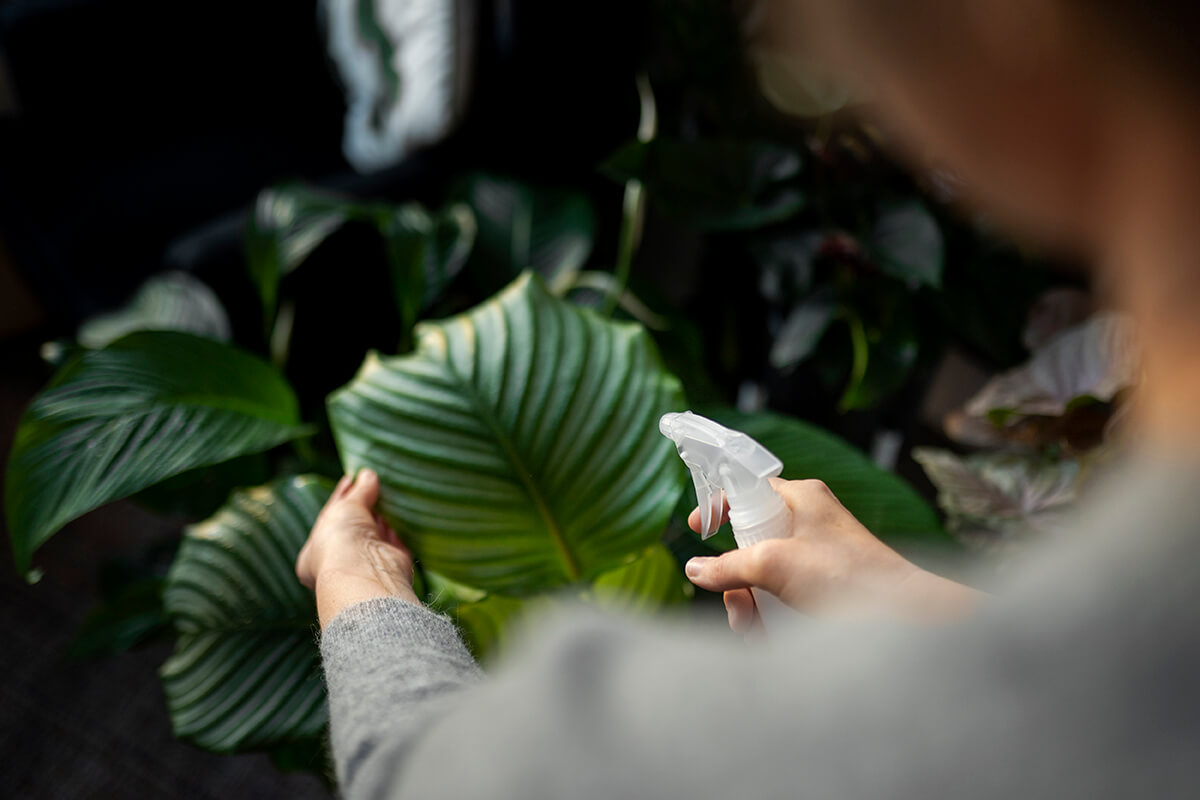
It’s best not to spray or mist Lithops salicola at all. Despite their exotic look, these plants dislike humidity and water lingering on their leaves.
- Why? Misting can cause rot or encourage diseases, especially indoors where air flow is limited.
What Humidity Is Best for Living Stones?
Lithops salicola prefers low humidity, which thankfully matches the conditions inside most apartments. Avoid placing them in kitchens or bathrooms, where humidity can be higher. An open, sunny windowsill away from frequent splashing or steam is ideal.
Are Living Stones Sensitive to Overwatering? Can They Survive Drought?
Yes, Lithops salicola is very sensitive to overwatering. Drowning is the number one reason living stones don’t survive indoors.
But don’t worry—if you forget to water, they’ll forgive you! These mini succulents are far more tolerant of drought than excess moisture.
Is Bottom Watering or Top Watering Better for Lithops salicola?
Both methods can work, but top watering is easier for beginners and more reliable for Lithops salicola.
- Pour water slowly onto the soil, avoid splashing the leaves.
- Make sure any extra water drains out the bottom.
Bottom watering (letting the pot soak up water from below) is possible, but take care to remove the pot and let it drain thoroughly afterward. Do not leave the pot standing in water.
What Should I Do with Excess Water After Watering My Plant?
Never allow water to sit under or around your Lithops salicola after watering. Always:
1. Dump out any water collected in the saucer within 10-15 minutes.
2. Let the pot drain fully—set it on a dry towel if needed.
Quick Do’s and Don’ts for Watering Lithops salicola
Do:
- Wait until the soil is bone dry.
- Water sparingly—every 2–4 weeks in growing season.
- Use a pot with drainage holes.
- Remove excess water right away.
Don’t:
- Mist the leaves.
- Water in dormancy.
- Let the plant sit in water.
- Panic if you forget to water for a while (they’ll be fine!).
Summary: The Art of Watering Living Stones
Your Lithops salicola will reward you for your patience and restraint. Living stones thrive on minimal watering, dry air, and plenty of light. It’s perfectly normal to feel uncertain at first, but with these tips, you’ll become a confident Lithops caretaker before you know it. Remember, with living stones, less is always more—it’s not neglect, it’s the ultimate form of plant love.