The Old lady cactus (Mammillaria hahniana) is a charming, fuzzy cactus that’s popular in homes around the world. With its white, hair-like spines and bright pink flowers, it’s easy to see why so many plant lovers want to care for this adorable species. But like most cacti, Mammillaria hahniana has some specific needs — watering being one of the most crucial. If you’ve ever wondered exactly how and when to water your Old lady cactus, don’t worry! With a little knowledge and practice, you’ll keep your cactus thriving.
How Often Should I Water My Old Lady Cactus?
The biggest mistake people make with Mammillaria hahniana is *overwatering.* Cacti are adapted to survive drought, so less is usually more. Here’s what to remember:
- Spring and Summer: Water once every 2–3 weeks or when the soil is completely dry.
- Autumn and Winter: Water much less — about once a month or even less in very cool and dark conditions.
Always adjust based on your home’s temperature and the amount of sunlight your Old lady cactus receives. If in doubt, wait an extra few days — your cactus will forgive you for a dry spell, but not for soggy roots.
How Much Water Does Mammillaria hahniana Need?
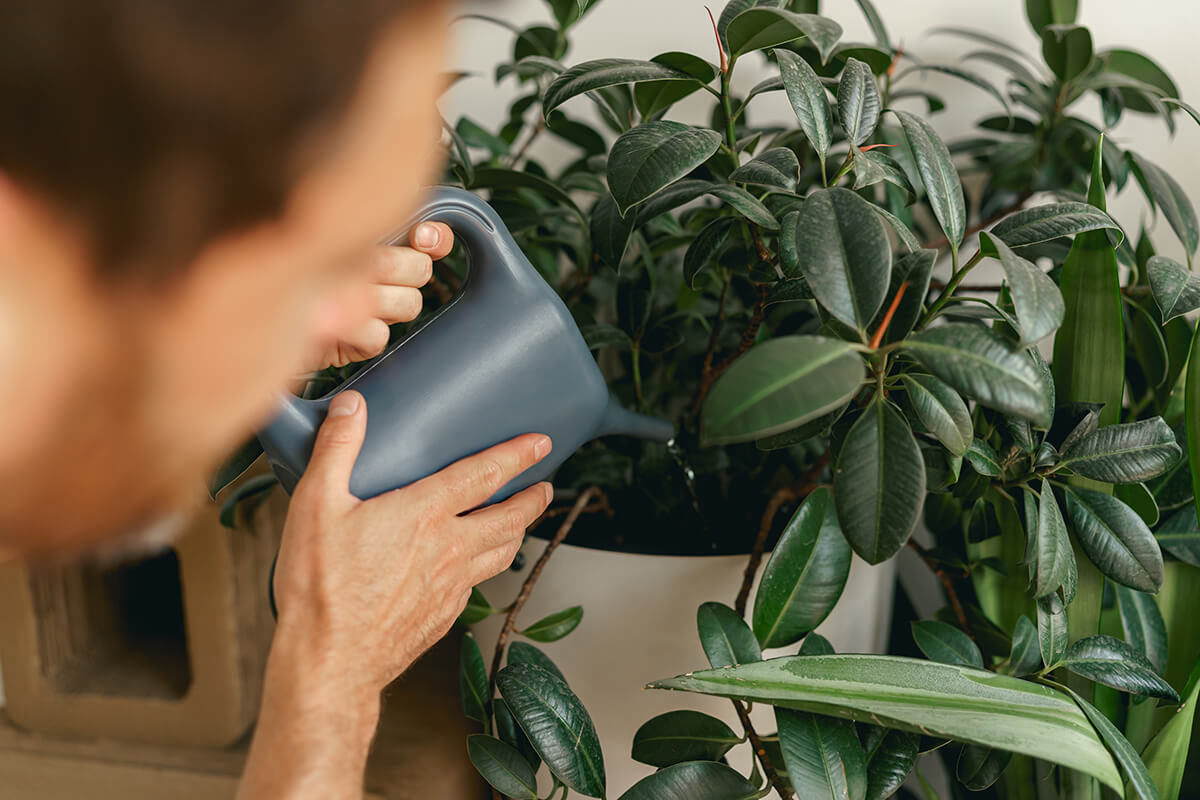
When you do water your cactus, give it a *thorough* soak:
1. Pour water slowly over the soil until you see it coming out of the drainage holes.
2. Stop. Let the excess drain away — never let your plant sit in water.
This soaking method encourages roots to grow deeply instead of staying near the surface.
Should I Mist or Spray My Old Lady Cactus?
It can be tempting to mist those fuzzy spines, but don’t! The Old lady cactus does not appreciate extra humidity. Misting can cause moisture to get trapped within the hairs and spines, encouraging rot and fungal issues.
Better option: Always water the *soil*, not the plant body. Keep water off the cactus itself.
What Are the Humidity Needs of the Old Lady Cactus?
Mammillaria hahniana is happiest in dry environments. Average indoor humidity is just fine. It doesn’t need extra moisture or humidifiers — in fact, too much damp air can be harmful. That’s one reason the Old lady cactus does so well in apartments with dry air!
Is the Old Lady Cactus Sensitive to Overwatering?
Yes! Overwatering is the most common killer of Mammillaria hahniana. Signs include:
- Mushy, soft stems
- Discolored or blackened roots
- A general collapse of the plant
If you’ve overwatered, don’t panic! Stop watering, remove any wet soil, and let the plant dry out before watering again. It’s a learning process, and every plant owner makes mistakes sometimes.
Is Mammillaria hahniana Drought Tolerant?
Absolutely — it’s one of the plant’s survival superpowers! The Old lady cactus can go weeks without a drink. If you’re going away for vacation or simply forget, your cactus will likely be waiting for you just fine.
Bottom Watering vs. Top Watering: Which Is Best?
Either method can work.
- Top watering is the most common: pour water onto the soil until it drains out.
- Bottom watering means placing the pot in a tray of water for 10–20 minutes, allowing the soil to soak it up from below.
Important: With both methods, always empty any leftover water from the saucer or tray. Mammillaria hahniana should never sit in water.
Quick Watering Care Checklist for Old Lady Cactus
- Wait until soil is fully dry before watering.
- Water deeply but infrequently.
- Never mist or spray the cactus.
- Ensure the pot has a drainage hole.
- Discard any excess water after 10–20 minutes.
- Less water is better than too much!
What Should I Do With Excess Water After Watering?
If there’s water left in the saucer or cache pot after watering, pour it away. Leaving your Mammillaria hahniana sitting in water leads to root rot and unhealthy growth.
Summary: Watering Your Old Lady Cactus With Confidence
Caring for your Old lady cactus (Mammillaria hahniana) doesn’t have to be stressful. Remember — let the soil dry between waterings, avoid misting, and always remove standing water from the pot. With patience and observation, you’ll quickly learn your cactus’s rhythm. Mistakes happen, but with these tips, you’ll give your Mammillaria hahniana a happy and healthy home!