Caring for a beautiful Orchid like the Phalaenopsis schilleriana can feel intimidating at first, especially when it comes to watering. If you’ve ever worried about how often to water, how much your Orchid needs, or whether you’re doing more harm than good, you’re not alone! Let’s gently walk through the essentials, so you and your Phalaenopsis schilleriana can thrive together.
How Often Should You Water Your Phalaenopsis schilleriana?
One of the most common questions Orchid beginners ask is, “How often should I water my Phalaenopsis schilleriana?”
The truth is, there isn’t a one-size-fits-all schedule. Generally, you should water your Phalaenopsis schilleriana every 7-10 days. However, factors like room temperature, humidity, and the type of pot or growing medium all play big roles.
Here are some easy signs to watch for:
- Roots look silvery white or gray? Time to water!
- Roots look green? Let it be for now.
- Potting mix feels dry when you poke a finger in? That’s a clue it’s thirsty.
Remember, your environment might be different from someone else’s, so check in on your Orchid regularly.
How Much Water Does Your Orchid Need?
You want to give your Phalaenopsis schilleriana a thorough drink, but don’t drown it. Generally, aim to:
- Water until you see water running out the bottom of the pot.
- Stop after a minute or so—don’t let the pot sit in the water.
Tip: Use lukewarm water; cold water can shock the roots.
Should You Mist or Spray Phalaenopsis schilleriana?
Many Orchid lovers wonder if spraying (misting) the leaves or aerial roots helps.
The short answer: Misting is optional. The Phalaenopsis schilleriana enjoys a humid environment, but it doesn’t need daily misting for survival. If your home is very dry, a light mist can be helpful, but don’t let water pool in the leaf crevices—this can cause rot.
Better ways to boost humidity:
- Use a humidity tray or pebble tray under the pot.
- Group your Orchids together to create a microclimate.
What Humidity Does Your Phalaenopsis schilleriana Need?
Orchids, especially the Phalaenopsis schilleriana, feel happiest in humidity between 50-70%. Most apartments might be a bit drier, especially with central heating or air conditioning.
If you notice dry, crispy roots or limp leaves, the air might be too dry. Try the tricks above—your Orchid will reward you!
Is the Phalaenopsis schilleriana Sensitive to Overwatering?
Yes, absolutely. The Phalaenopsis schilleriana is quite sensitive to overwatering, which is the number one cause of trouble for most Orchid owners. Leave your Orchid sitting in soggy soil, and you’ll notice yellow leaves or squishy, brown roots—signs of root rot.
Empowering tip: If you accidentally overwater, don’t feel bad—just let the pot dry out more before the next round.
Is the Orchid Drought Tolerant?
Orchids like the Phalaenopsis schilleriana do not enjoy long dry spells. While they can bounce back from under-watering a little better than over-watering, consistent neglect will stress the plant and stunt blooming.
Try to keep a rhythm—water once the roots or mix are dry, but don’t let the plant “shrivel.”
Is Bottom Watering or Top Watering Best for Orchids?
Either method can work for your Phalaenopsis schilleriana, as long as you’re careful!
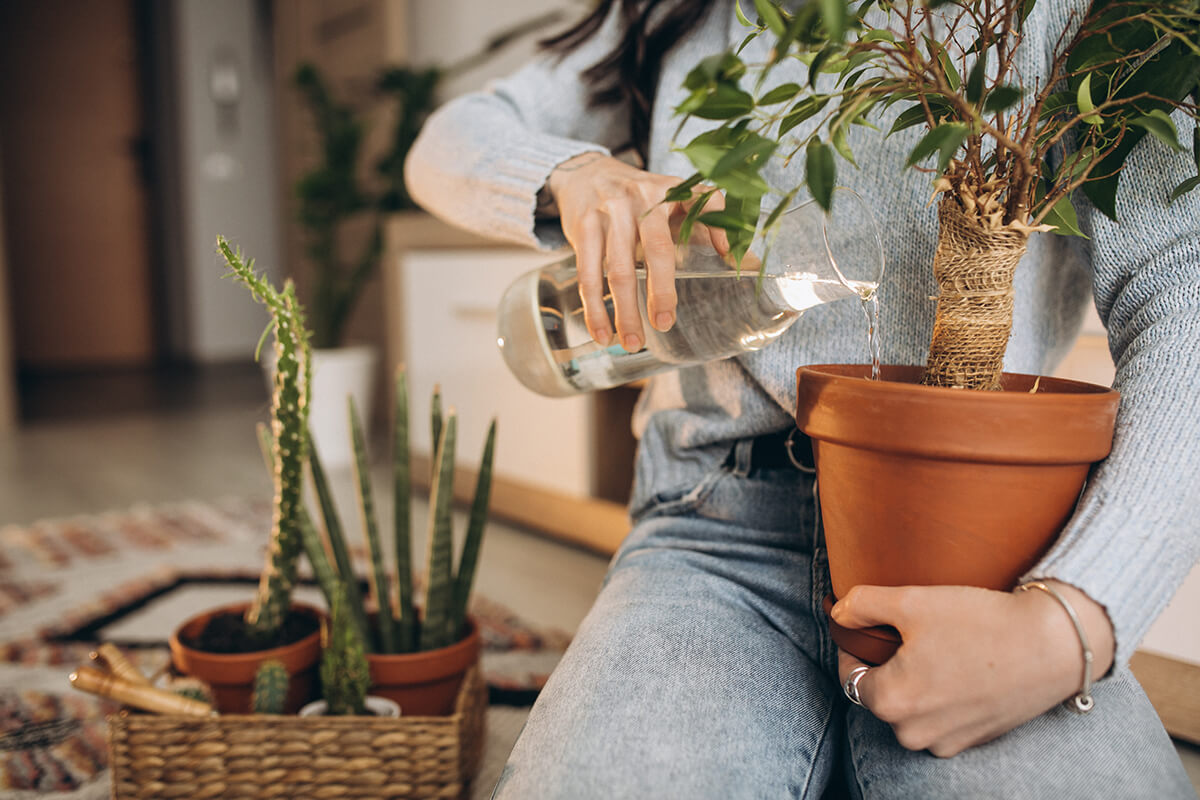
- Top watering (pouring water over the pot): This is popular and lets you watch the process. Just avoid splashing water into the leaf base!
- Bottom watering (setting the pot in a dish of water for 10-15 minutes): This allows roots to soak up moisture gently. Always remove the pot when you’re done.
The most important part is ensuring excess water can drain freely.
What Should You Do with Excess Water After Watering?
Never leave excess water in the saucer under the pot. After your Phalaenopsis schilleriana gets its drink, tip away any remaining water to prevent “wet feet” that can harm the roots.
Key Takeaways: Watering Your Orchid with Confidence
Don’t worry if you feel unsure—every Orchid owner learns by trying. Your Phalaenopsis schilleriana needs:
- Water every 7-10 days, adjusting for your space
- Enough water to soak the roots, but never left soggy
- Occasional misting or pebble trays for humidity
- A pot that drains well, with no standing water
With a little observation, patience, and kindness (both for your Orchid and yourself!), you’ll soon find a healthy routine that works in your home.