Bringing home a Panda plant (Kalanchoe tomentosa) is a surefire way to add charm and a touch of fuzziness to your indoor garden. These delightful succulents, with their silvery, velvety leaves and chocolatey spots, are favorites among plant lovers—especially those just starting out. But if you’re new to caring for a Kalanchoe tomentosa, the question of watering can cause confusion. How much is too much? Should you mist those fuzzy leaves? Let’s go through everything you need to know to keep your Panda plant happy, healthy, and thriving.
How often should you water a Panda plant?
The most important thing to know about watering your Panda plant is this: less is usually more. Kalanchoe tomentosa hails from dry, rocky places and loves to dry out between waterings. Overwatering, not underwatering, is usually what gets beginner plant parents in trouble.
- In spring and summer: Water every 2-3 weeks, or when the top inch of soil feels completely dry to the touch.
- In fall and winter: Water less often—every 3-5 weeks is usually plenty.
Don’t rely on a strict calendar, though. Instead, use your finger to check the soil. If it’s dry an inch down, it’s time to water. If it’s still slightly moist, wait a few days.
How much water does Kalanchoe tomentosa need?
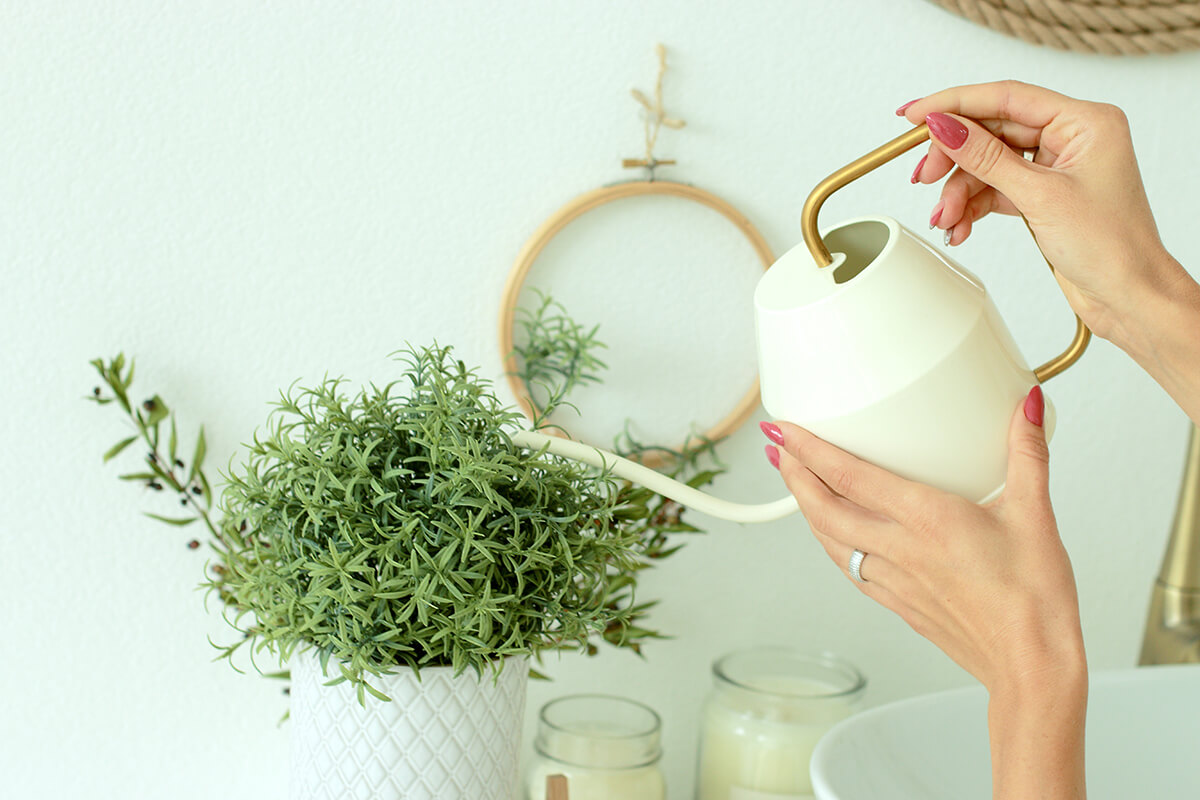
When it is time to water, give your Panda plant a thorough drink, but don’t drown it. Water slowly until you see just a little water start to come out of the drainage holes at the bottom of the pot.
- Tip: Use room-temperature water and aim for consistency. Let the plant drink deeply, then allow it to almost dry out before watering again.
Never let the pot sit in a puddle of water. Always empty the saucer or cover after watering—Kalanchoe tomentosa has roots that rot easily in soggy conditions.
Should Panda plant leaves be misted or sprayed?
Resist the urge to mist or spray the Panda plant. The fuzzy leaves of Kalanchoe tomentosa are actually coated in tiny hairs that can trap moisture. If they stay wet for too long, the plant can develop brown spots, mold, or rot.
- Instead: Focus on watering the soil and keeping the leaves dry.
What are the humidity needs of Kalanchoe tomentosa?
A Panda plant is a low-humidity champion! It’s perfectly happy in the drier air common to most apartments and heated homes.
- No humidifier necessary—these succulents tolerate and even prefer dry air. If your home is extremely steamy, try to give the plant a spot with good airflow to keep the leaves dry.
Is the Panda plant sensitive to overwatering?
Yes! Kalanchoe tomentosa is *very* sensitive to overwatering. Too much moisture will quickly cause the roots to rot and the plant to decline. Remember: soggy soil is the enemy. When in doubt, wait another day or two before watering.
Is Kalanchoe tomentosa drought tolerant?
Absolutely. The Panda plant stores water in its thick, fuzzy leaves, making it quite drought tolerant. It’s much better to underwater than overwater this succulent. If you forget to water for a while, your Kalanchoe tomentosa will forgive you and recover quickly.
Should Panda plant be watered from the top or the bottom?
Both methods work, but most people find top watering (pouring water onto the soil) easiest and safest for Panda plants, especially in apartment settings.
- Pour water slowly at the base of the plant, not on the leaves.
- Bottom watering (allowing the pot to soak up water from a tray) is also fine, but make sure to remove excess water after 15 minutes.
- Whichever way you choose, never let the plant sit in standing water.
What to do with excess water after watering?
Always empty the saucer or cover shortly after watering. Standing water is one of the quickest ways to give your Kalanchoe tomentosa root rot. A good rule: no water in the saucer means happy Panda plant roots!
Summary: Panda plant watering basics
Caring for a Panda plant (Kalanchoe tomentosa) is easy once you know how. Remember to keep watering light and infrequent, never mist the fuzzy leaves, and empty excess water after each session. If you miss a watering or overdo it once—don’t worry! With patience and a little practice, your Panda plant will stay healthy, adorable, and resilient for a long time.