Learning to care for Pig’s ear (the common name for Cotyledon orbiculata) might feel daunting at first, but don’t worry—you’re about to become an expert in no time. This unique succulent, with its chubby, paddle-shaped leaves often edged in red, is prized for being hardy and forgiving. However, when it comes to watering, Pig’s ear has some clear preferences. Too much water can spell disaster, while too little hardly fazes it. Here’s how to keep your Cotyledon orbiculata thriving indoors or on your apartment balcony, even if you’re new to succulents.
How Often Should You Water Your Cotyledon orbiculata?
The number one rule: less is more. Pig’s ear, being a succulent, stores water in its juicy leaves, which means it doesn’t need—nor like—frequent watering.
General Guidelines:
- Spring and summer (growing months): Water every 2-3 weeks, or when the top inch (2.5 cm) of soil feels bone dry.
- Autumn and winter: Water once a month or even less, as growth slows and the plant rests.
Remember: It’s perfectly normal if you forget to water sometimes. Overwatering does far more harm than a dry spell.
How Much Water Does Pig’s Ear Actually Need?
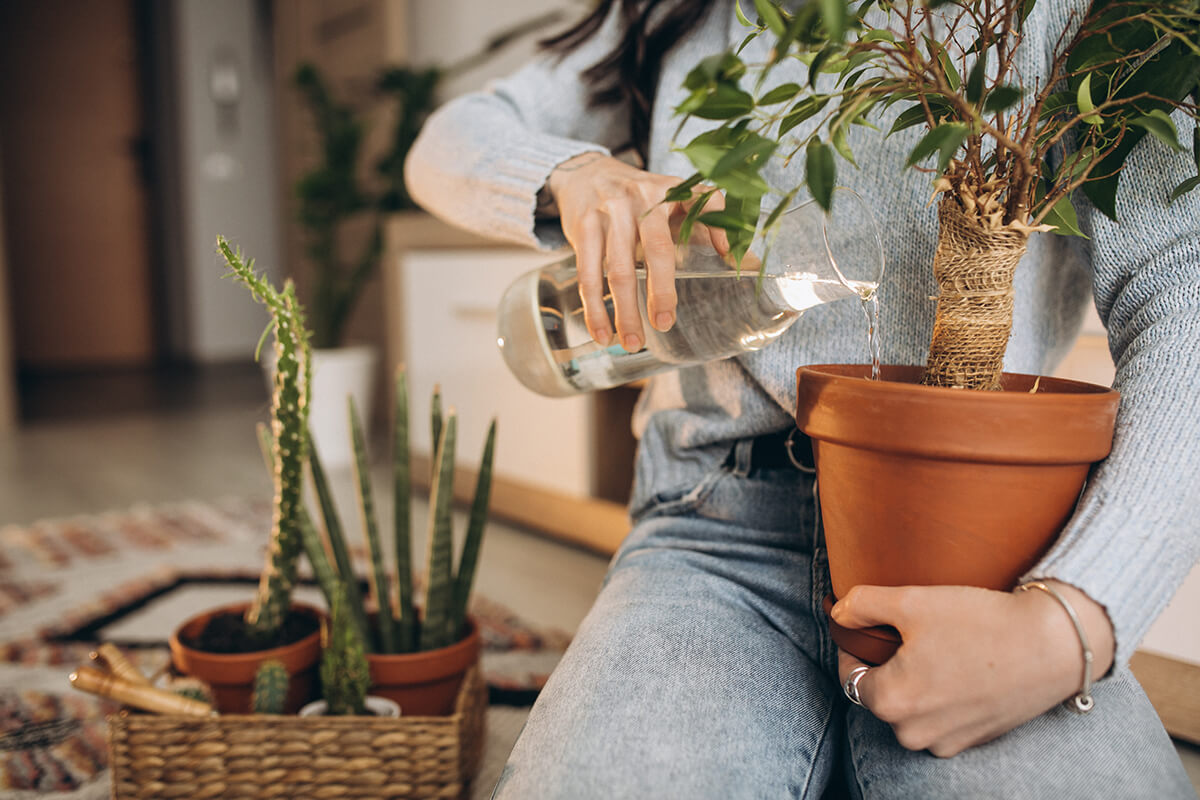
For each watering, aim to thoroughly soak the soil. The goal is for water to reach the entire root system, helping keep the plant healthy. However, don’t leave the plant sitting in water.
Practical Tip: Water until you see liquid draining from the pot’s hole. That’s your signal to stop.
Should You Spray or Mist Cotyledon orbiculata?
Nope! Misting or spraying is not suitable for Pig’s ear. In fact, it can encourage rot and fungal problems. This plant prefers its leaves dry and its roots watered.
What Are the Right Humidity Needs for Pig’s Ear?
One of the best things about Cotyledon orbiculata is its low demand for humidity. Average household air, even that from heated or air-conditioned apartments, is just fine. No humidifiers required!
Is Cotyledon orbiculata Sensitive to Overwatering or Drought?
- Overwatering: This is the most common problem. Pig’s ear dislikes soggy conditions. Yellow, mushy leaves or blackened stems mean water has been too generous. If this happens, let the soil dry out completely before you water again.
- Drought: Pig’s ear is extremely drought-tolerant. Its fleshy leaves will shrivel a bit if thirsty, but bounce back quickly once watered.
It’s much safer to underwater than overwater—so don’t stress if you forget sometimes!
Should You Use Bottom Watering or Water from the Top?
For Cotyledon orbiculata, watering from the top is best and simplest. Water gently at the base, avoiding splashing the leaves. Bottom watering (where you let the pot sit in a shallow tray of water) can work, but often takes longer and isn’t needed unless your soil is unusually compact.
What To Do With Excess Water After Watering?
Always make sure your Pig’s ear is planted in a pot with a drainage hole. After watering, if water remains in the saucer or outer pot, empty it out. Leaving the roots sitting in water can cause rot even in this tough succulent.
Quick checklist for watering Pig’s ear:
1. Check soil—water only when dry.
2. Water deeply, but let excess drain out.
3. Never leave water in the saucer.
4. Don’t mist the leaves.
5. Relax—it’s okay to miss a watering!
Summary: Keeping Your Pig’s Ear Happy
Watering Pig’s ear (Cotyledon orbiculata) is all about finding that sweet spot: enough to satisfy the roots, but leaving the leaves high and dry. Water deeply but infrequently, avoid soggy soil, and you’ll have a cheerful, plump-leaved plant thriving on your windowsill. And if you overdo it once or twice, don’t worry—this plant is forgiving. The main thing to remember is that Pig’s ear is tougher than you think, and learning as you go is part of the fun.