Taking care of a Rattail cactus (Aporocactus flagelliformis) is a rewarding experience, especially when you see those unusual stems thrive and bloom. But for many beginners, watering can be a confusing and sometimes nerve-wracking task. Don’t worry—everyone starts somewhere, and this guide will help you master the art of watering your Aporocactus flagelliformis with confidence. Let’s explore exactly how much water your Rattail cactus needs, how often to water, and other essential care tips to keep your plant healthy.
How Often Should You Water a Rattail Cactus?
The Rattail cactus is known for its tolerance to dry conditions—after all, it’s a cactus! It’s better to underwater than overwater this plant.
- Spring and Summer: Water your Aporocactus flagelliformis about every 2–3 weeks. Let the top 2 inches (about 5 cm) of soil dry out before watering again.
- Fall and Winter: Water far less, around every 4–6 weeks, or whenever the soil is completely dry. The plant goes dormant in the colder months and doesn’t need much moisture.
Tip: Always check the soil with your finger. If it feels dry, it’s a good sign it’s time to water!
How Much Water Does an Aporocactus flagelliformis Need?
You don’t need to flood the pot—your Rattail cactus prefers a careful amount:
- Water thoroughly, allowing water to reach all roots,
- Stop when you see water draining from the bottom of the pot,
- Never let the plant sit in excess water.
This mimics the infrequent but soaking rains of its native habitat, followed by dry spells.
Should You Mist or Spray Your Rattail Cactus?
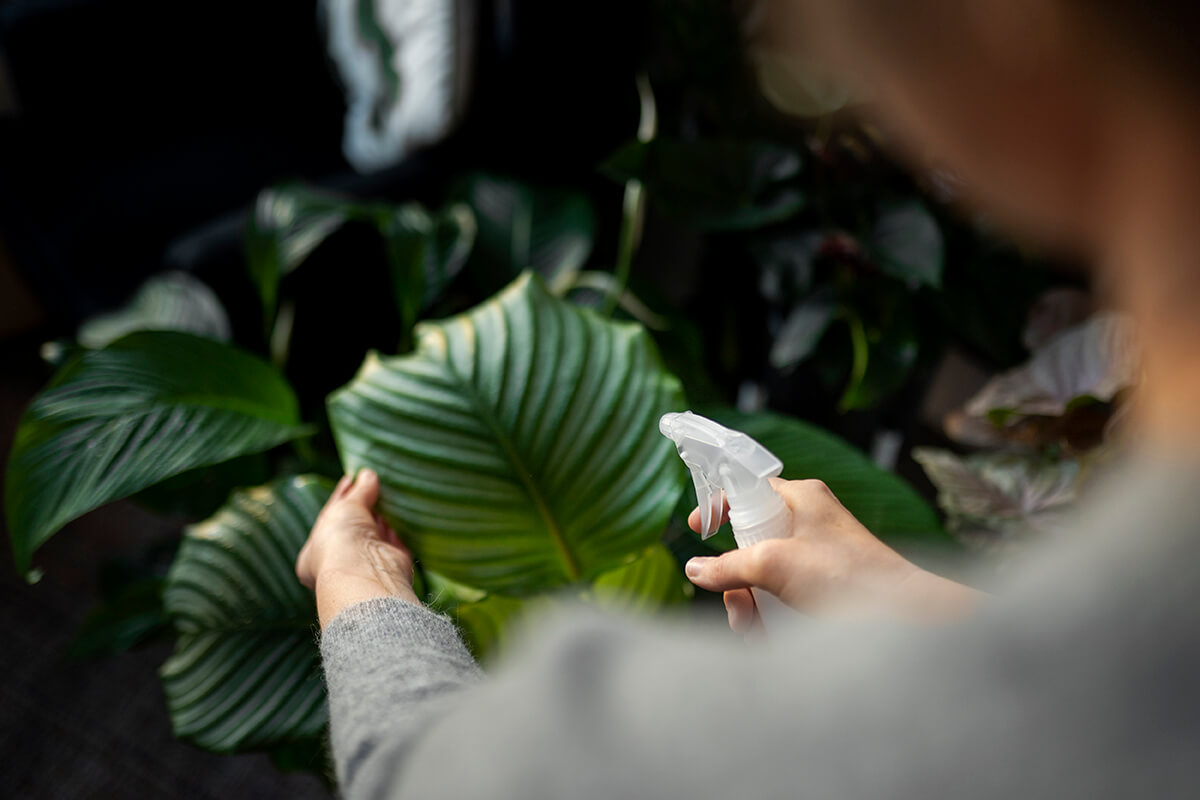
It’s best to avoid misting or spraying your Aporocactus flagelliformis. Cacti like this one don’t need humidity on their stems, and too much moisture on the plant or in the air can promote rot and fungus. Focus on watering the soil, not the plant itself.
What Are the Humidity Needs of a Rattail Cactus?
Rattail cactus is not fussy about humidity. It actually prefers drier air, making it perfect for most apartments. Normal indoor humidity—around 30% to 50%—is just fine.
If you live in a humid climate, make sure your plant has good airflow. Avoid placing it in bathrooms or kitchens where the air is wetter.
Is Rattail Cactus Sensitive to Overwatering?
Absolutely! Overwatering is the most common mistake with Aporocactus flagelliformis. Signs of too much water include:
- Mushy or soft stems,
- Yellowing or black spots,
- Foul smell from the soil.
If you spot these signs, let the plant dry out fully and consider repotting with fresh, well-draining soil.
Is Rattail Cactus Drought Tolerant?
Yes, the Rattail cactus is very drought tolerant. It can safely go weeks without water, especially in cooler, lower light periods. If you forget a watering once in a while, don’t stress—it won’t hold it against you!
Should You Water from the Top or Bottom?
Either method works, but most beginners find watering from the top easiest:
- Pour water gently over the soil until it drains out the bottom,
- Use room-temperature water to avoid shocking the plant.
If you prefer, you can sit the pot in a dish of water (bottom watering) for 10–20 minutes, then remove it and let it drain.
What Should You Do With Excess Water After Watering?
Never leave your Rattail cactus sitting in pooled water. After watering:
1. Discard any water that collects in the saucer beneath the pot.
2. Make sure the drainage holes aren’t clogged.
Leaving water at the roots can lead to rot, so always let the soil dry thoroughly before you water again.
Key Watering Tips for Aporocactus flagelliformis
- Water sparingly—wait for dry soil.
- Avoid misting or overly humid spots.
- Use pots with drainage holes.
- Discard excess water promptly.
- Relax! It’s better to forget once than to overwater.
Summary: Rattail Cactus Watering Made Simple
Caring for your Rattail cactus (Aporocactus flagelliformis) doesn’t have to be complicated. Water only when the soil is dry; avoid misting; let any extra water drain away. The Rattail cactus is forgiving and drought tolerant, making it a wonderful companion for apartment life. If you make a mistake, don’t stress—just adjust your routine, and your plant will bounce back with care and patience!