The Swiss cheese plant, also known as Monstera deliciosa, has become a household favorite thanks to its stunning, holey leaves and easy-going nature. But even the most beginner-friendly plants need a bit of know-how when it comes to watering! If you’re new to Monstera deliciosa care, you might wonder: How often should I water my Swiss cheese plant? Can I spray or mist it? How much water does it need? In this guide, you’ll learn everything you need to know to keep your leafy friend happy and healthy.
How Often Should You Water a Swiss Cheese Plant?
If you only remember one thing: Monsteras like their soil to dry out a bit between waterings. Unlike some delicate plants, Swiss cheese plants don’t crave constantly moist soil.
- Check the soil first. The best habit is to gently poke your finger about 2–3 cm (1 inch) into the soil. If it feels dry at that depth, it’s time to water.
- On average, water every 1–2 weeks. In warmer months, you might water weekly; in winter, sometimes just every two weeks.
- Light and temperature matter. If your Monstera deliciosa is in brighter light or a warmer room, it will need water more often. Lower light or cooler spaces mean less frequent watering.
Tip: If you’re unsure, it’s safer to wait a day or two rather than risk overwatering.
How Much Water Does a Monstera Deliciosa Need?
When watering your Swiss cheese plant, the goal is to moisten the soil evenly but not leave it soggy.
1. Pour water slowly onto the soil until it begins to drain from the bottom of the pot.
2. Avoid drenching the plant in one quick pour—this can lead to uneven moisture or root rot.
3. Use room temperature water, as cold water can stress the roots.
Remember: Every plant is a little different. Let the soil’s moisture guide you more than the calendar.
Should I Mist or Spray My Swiss Cheese Plant?
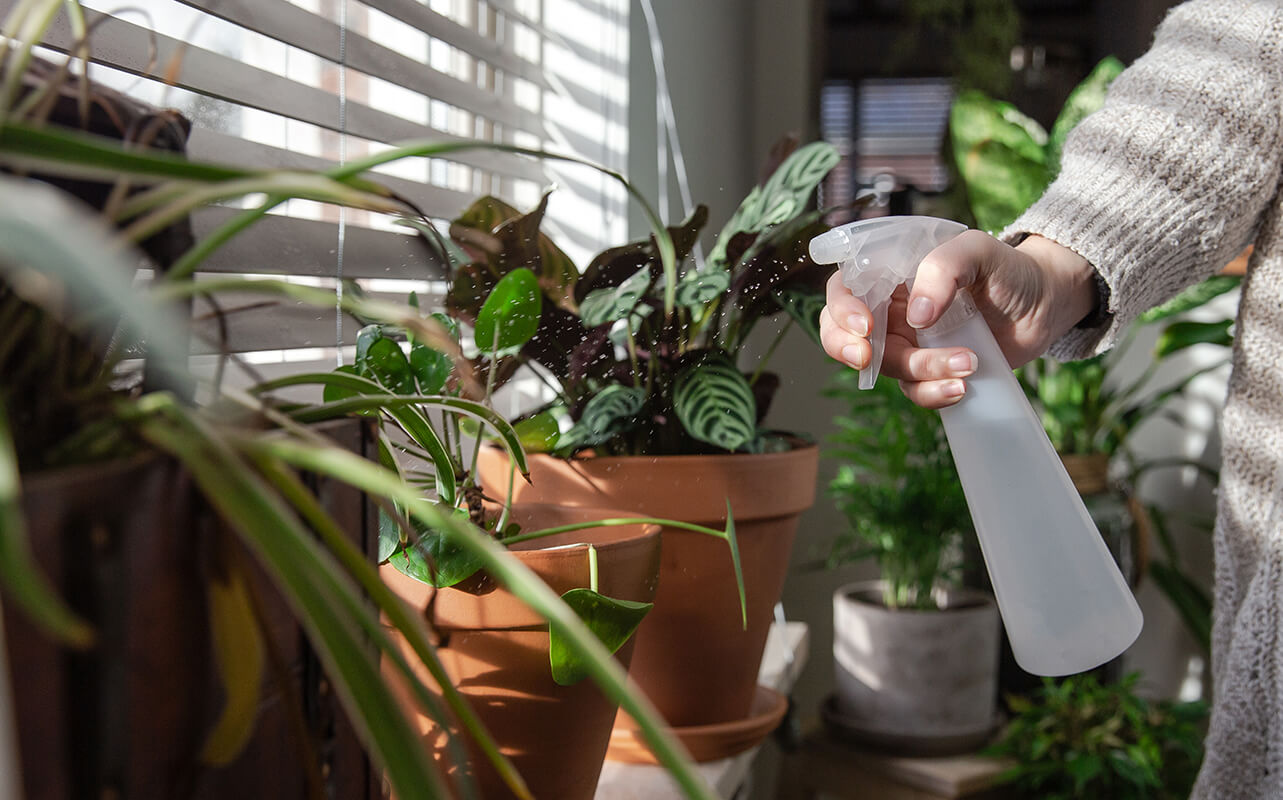
Monsteras love humidity, but misting isn’t always necessary. A light mist once or twice a week can help with humidity, especially if the air in your apartment is very dry.
However:
- Misting does *not* substitute for proper watering.
- Too much mist can encourage leaf spots if water sits on the leaves without drying.
Alternative ways to boost humidity:
- Place a tray of water with pebbles near the plant.
- Group your plants together to create a mini-humid environment.
- Consider a small room humidifier if your home is very dry (especially in winter).
Is the Swiss Cheese Plant Sensitive to Overwatering?
Absolutely—it’s one of the quickest ways to harm your Monstera deliciosa. Overwatering can cause root rot, yellow leaves, and even plant death.
Prevent overwatering by:
- Using a pot with drainage holes.
- Emptying any water that collects in the saucer after watering.
- Ensuring the top inch of soil dries before the next watering.
Can the Swiss Cheese Plant Tolerate Drought?
Swiss cheese plants cope better with a little dryness than too much water. If you forget to water now and then, usually your Monstera deliciosa will be fine. Signs of underwatering include drooping or curling leaves, but waterlogging is more dangerous.
Bottom Watering vs. Top Watering: Which Is Better?
Both methods are good, but *top watering* is more common and easier for beginners. Just pour water slowly on top of the soil. Bottom watering (standing the pot in a dish of water for the soil to soak up) works too, but remember to never leave the plant in standing water for long periods.
What Should I Do with Excess Water After Watering?
- Always pour out any water left in the saucer beneath your pot after 15 minutes.
- Standing water can cause root rot and attract pests.
- If you’re worried, lift the pot and let any extra water drain in the sink.
Summary: Happy Watering for a Happy Swiss Cheese Plant
Caring for your Monstera deliciosa doesn’t need to be complicated. Let the soil dry out between waterings, check often, and never let it sit in soggy soil. Remember: Swiss cheese plants prefer slightly dry soil to wet feet! With patience and practice, you’ll quickly become a plant-watering pro, and your Swiss cheese plant will reward you with lush, healthy growth.