The Areca palm, also known as Dypsis lutescens or butterfly palm, is a favorite among houseplant enthusiasts for its graceful, arching fronds and tropical vibes. But if you’re bringing an Areca palm into your home, understanding its light requirements is key to keeping it lush and happy. Whether you’re a complete beginner or a recovering plant neglecter, let’s find out together: How much light does an Areca palm need, and how can you give it the best spot in your space?
What Are the Ideal Light Conditions for an Areca Palm?
Areca palms thrive in bright, indirect light. This means they like plenty of brightness—but not the harsh rays of direct sunlight. If you imagine the dappled sunlight filtering through the leaves of a tree in a tropical forest, you’re on the right track.
- Bright, indirect light means enough natural illumination to easily read a book or see fine details, but without the sun’s rays shining directly on the leaves.
- Too much direct sunlight can scorch the Areca palm’s delicate leaves, while too little light can cause slow growth and limp, yellowing fronds.
Where Should I Place My Dypsis Lutescens Indoors?
Best Placement for Areca Palm in Your Room:
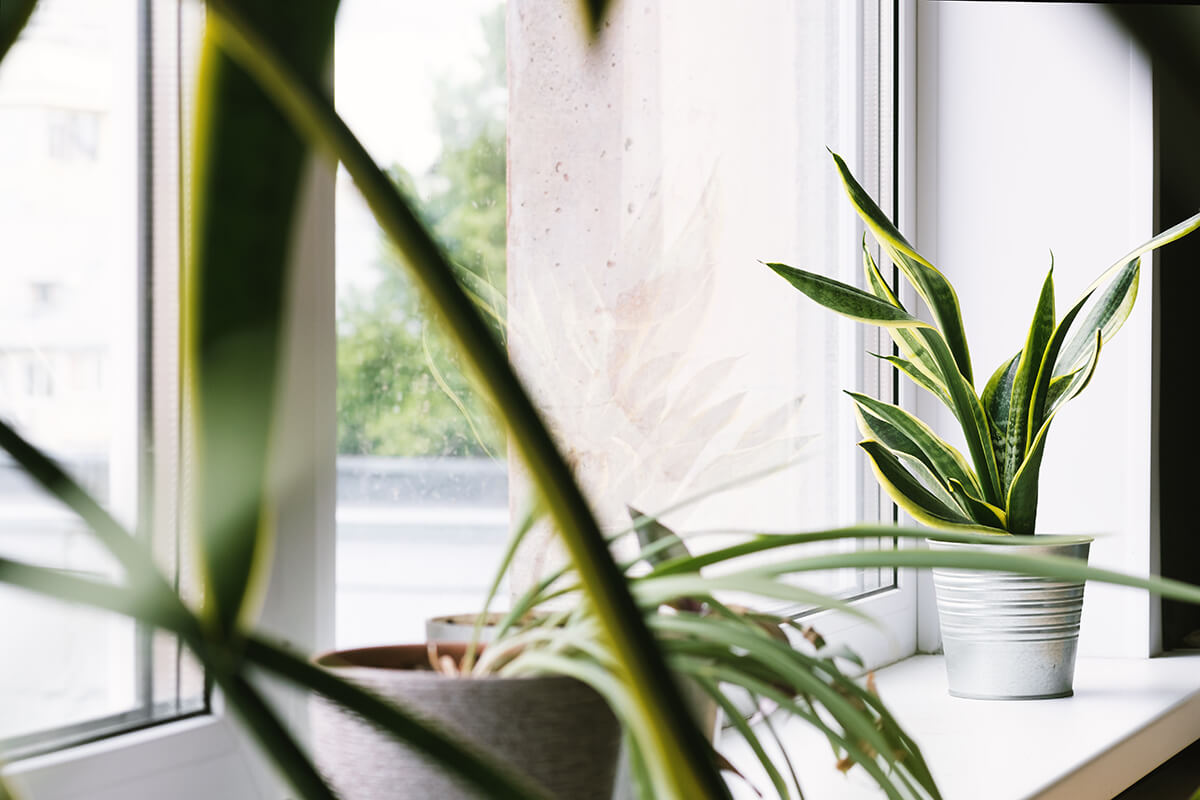
- Near an east- or west-facing window, protected by a sheer curtain.
- A few feet away from a south-facing window, again with protection from direct sun.
- If your only window faces north, place the plant as close as possible to the glass to maximize the light.
Tip: Try moving your Areca palm around and see where it seems happiest! Every home is different, and small tweaks in location can make a big difference.
How Many Hours of Light Does the Areca Palm Need Every Day?
Dypsis lutescens prefers 10 to 12 hours of bright, indirect light per day. Most homes naturally provide enough light during longer spring and summer days. In the darker winter months, however, you may need to supplement with an LED grow light placed nearby.
Does the Areca Palm Tolerate Direct Sun?
This plant will tolerate gentle morning sunlight (like that from an east window). However, direct midday or strong afternoon sun can cause brown, crispy leaf tips. Always use a sheer curtain or pull the plant back from intense direct light.
Can the Areca Palm Grow in Shade or Low Light?
Areca palms are fairly forgiving, but they don’t like deep shade or very low-light rooms. In dim corners, their growth slows, new fronds may be small or pale, and the plant can become scraggly.
If your home doesn’t have a bright spot, consider using a grow light for extra support.
How Do I Know If My Space Is Bright Enough?
A quick self-test:
- At midday, can you read comfortably without turning on lamps?
- On a sunny day, is there enough light to cast soft shadows throughout the room?
If “yes” to these, it’s likely bright enough for your Areca palm.
Signs Your Areca Palm Needs More Light
Not sure if your plant is getting what it needs? Look out for these common signs:
1. Slowed or no new growth
2. Yellowing or pale fronds
3. Leaning towards the window
4. Long, spindly stems
5. Drooping or limp leaves
If you notice these, move your Dypsis lutescens to a brighter spot or add extra light.
How Can I Mimic Natural Conditions for My Areca Palm?
- Place near windows with indirect light, using sheer curtains.
- Use a small desk lamp with a daylight LED bulb if natural light is limited.
- Rotate the pot every couple of weeks for even light exposure.
- Dust the leaves regularly so they can “breathe” and absorb more light.
Summary: Giving Your Areca Palm the Right Light
Remember, your Areca palm (Dypsis lutescens) will thrive with bright, indirect light and a little loving attention. Avoid placing it in harsh midday sun or deep, gloomy corners. Adjust placement as the seasons change, stay patient with yourself, and you’ll enjoy a beautiful, vibrant palm for years to come!