When you bring the bright, cheerful blooms of a Chinese lantern (Abutilon hybridum “Canary bird”) into your home, you naturally want it to thrive. One of the most important—but sometimes confusing—factors is light. How much sunshine does your Chinese lantern really need? Let’s break down the ideal light conditions, easy placement tips, and just how you can help your Canary bird variety flourish—even if your apartment doesn’t feel like a sunroom.
What Are the Ideal Light Conditions for a Chinese Lantern Plant?
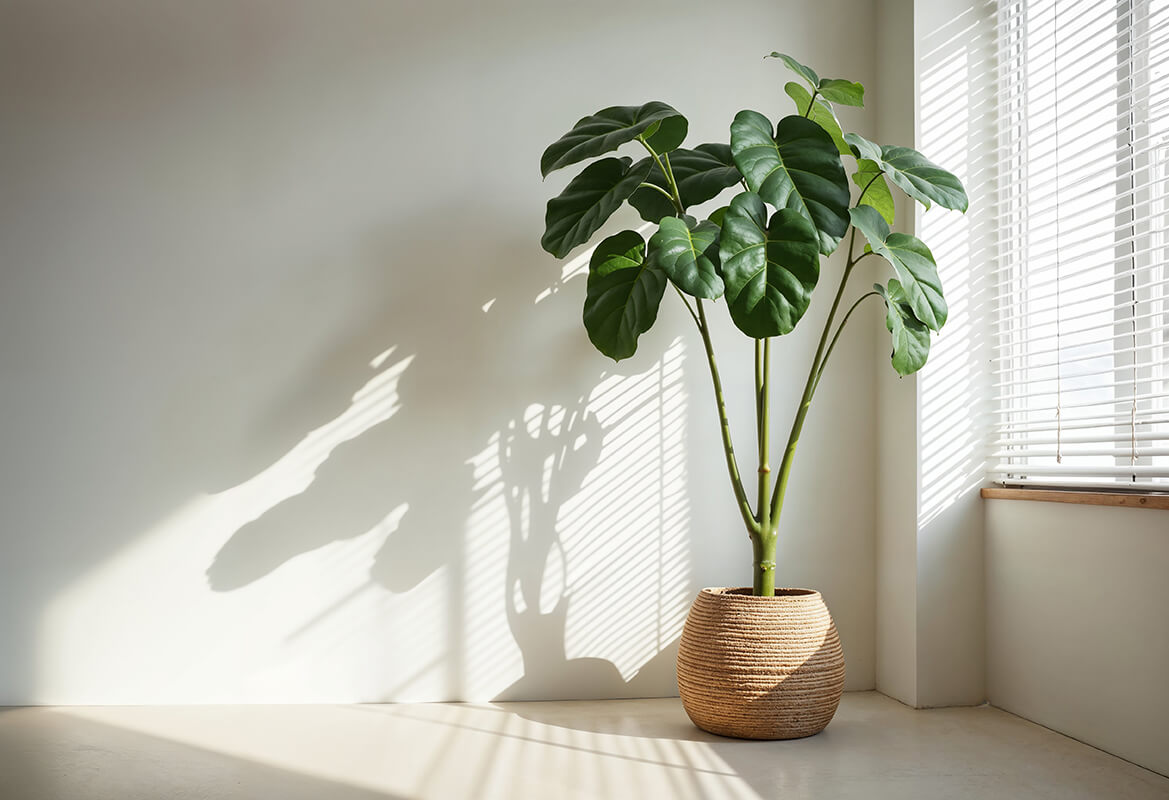
The Chinese lantern (Abutilon hybridum “Canary bird”) loves light but isn’t a sunbathing addict. It doesn’t want scorching, unfiltered midday sunshine, but it also won’t grow happily in a gloomy corner. The sweet spot? Bright, indirect light. This is similar to the gentle, filtered light you’d feel while sitting under a tree on a sunny day.
Bright, indirect light means the space receives lots of light energy, but the sun’s rays do not directly touch the leaves for hours at a time. This encourages healthy flowering and full foliage without the risk of scorched leaves or faded colors.
Where Should I Put My Chinese Lantern in the Room?
Choosing a spot for your Abutilon hybridum “Canary bird” is all about balance. Here’s how to find that Goldilocks zone:
- Near an east or west-facing window: A place that receives morning or late afternoon sunlight, rather than the harshest midday rays.
- A few feet from a south-facing window: If your windows let in lots of light, keep the plant just out of reach of direct sunbeams.
- Close to (but not right against) a bright window: Sheer curtains work wonders! They soften direct rays without shading the plant too much.
*Tip: rotate your plant every week or so for even growth all around.*
How Many Hours of Light Does a Chinese Lantern Need Per Day?
For happy growth and lovely blooms, aim for 6-8 hours of bright, indirect light per day. If you can give it a touch of gentle, direct morning sun, even better! Just avoid all-day exposure to harsh, unfiltered sun—especially in summer, as that can harm the leaves.
If your space is dim, don’t worry. You can use a simple “grow light” or daylight-balanced lamp to add extra hours. Place it about 1-2 feet away, and run it for 6-8 hours alongside natural light.
How Do I Know If My Space Is Bright Enough for Chinese Lanterns?
Not sure how bright your space really is? Try these tips:
- Shadow test: Hold your hand about a foot above the plant’s spot. If you see a clear, defined shadow, the light is probably bright enough. If the shadow is fuzzy or faint, you may need to move closer to a window.
- Plant behavior: Your Abutilon hybridum “Canary bird” will give clues! Read on to learn what to watch for.
Does a Chinese Lantern Tolerate Direct Sun or Shade?
Direct midday sun (especially in summer) can scorch Chinese lantern leaves, causing crispy edges or faded blotches. A little gentle morning sun or filtered light is fine—just don’t park it on a south-facing windowsill with unfiltered afternoon exposure.
Deep shade (far from any windows, or with heavy curtains drawn all day) will lead to poor flowering, weak growth, and leggy stems. If your only options are low-light spots, supplement with a grow light to help mimic the sunshine it craves.
Signs That Your Chinese Lantern Needs More Light
Watch for these gentle warnings:
1. Straggly, stretched stems
2. Lack of flowers, or blooms dropping off early
3. Small, pale leaves
4. Slow, stunted growth
If you spot these, it’s not too late! Just find a brighter home or add supplemental light.
How Do I Mimic Natural Light Conditions Indoors?
- Use sheer curtains to filter sunlight.
- Move the plant seasonally if the sun shifts.
- Supplement with a grow lamp in darker seasons or north-facing rooms.
- Rotate your plant for even sun exposure.
You don’t have to be perfect! Just pay attention to your Abutilon hybridum “Canary bird,” and adjust as needed.
Summary: Giving Your Chinese Lantern the Light It Loves
The Chinese lantern (Abutilon hybridum “Canary bird”) shines in bright, indirect light for 6-8 hours each day. Avoid harsh, direct sun and deep shade, and listen to what your plant’s leaves tell you. With a little thoughtful placement, you’ll enjoy lush foliage and cheerful blooms—even if your home isn’t filled with sunlight.