Grape ivy (Cissus rhombifolia) is a graceful, trailing vine treasured for its lush green leaves and easy-going nature, making it a lovely addition to homes and apartments. If you’re introducing this plant to your space—or wondering if your Grape ivy is thriving—the question of light is one of the most important. Let’s shine a little light (pun intended) on exactly what your Cissus rhombifolia needs to flourish indoors.
What Are Ideal Light Conditions for Grape ivy (Cissus rhombifolia)?
Grape ivy loves moderate to bright, indirect light. This means it should receive plenty of light throughout the day, but not the harsh, direct rays from the sun which can scorch its delicate leaves.
In their natural habitat, Cissus rhombifolia grow under the filtered sunlight of taller trees. Mimicking this dappled light indoors ensures healthy growth and vibrant leaves.
Can Grape ivy Tolerate Direct Sun?
While a little morning sun is usually fine, direct afternoon sunlight is too intense and can burn the foliage. If your Grape ivy’s leaves are fading or turning crispy brown at the edges, it’s probably getting more sun than it likes.
Where To Place Grape ivy in a Room?
Choosing the spot can make all the difference. Here’s how to pick the right place:
- Next to an east-facing window: Grape ivy will enjoy the gentle morning light here.
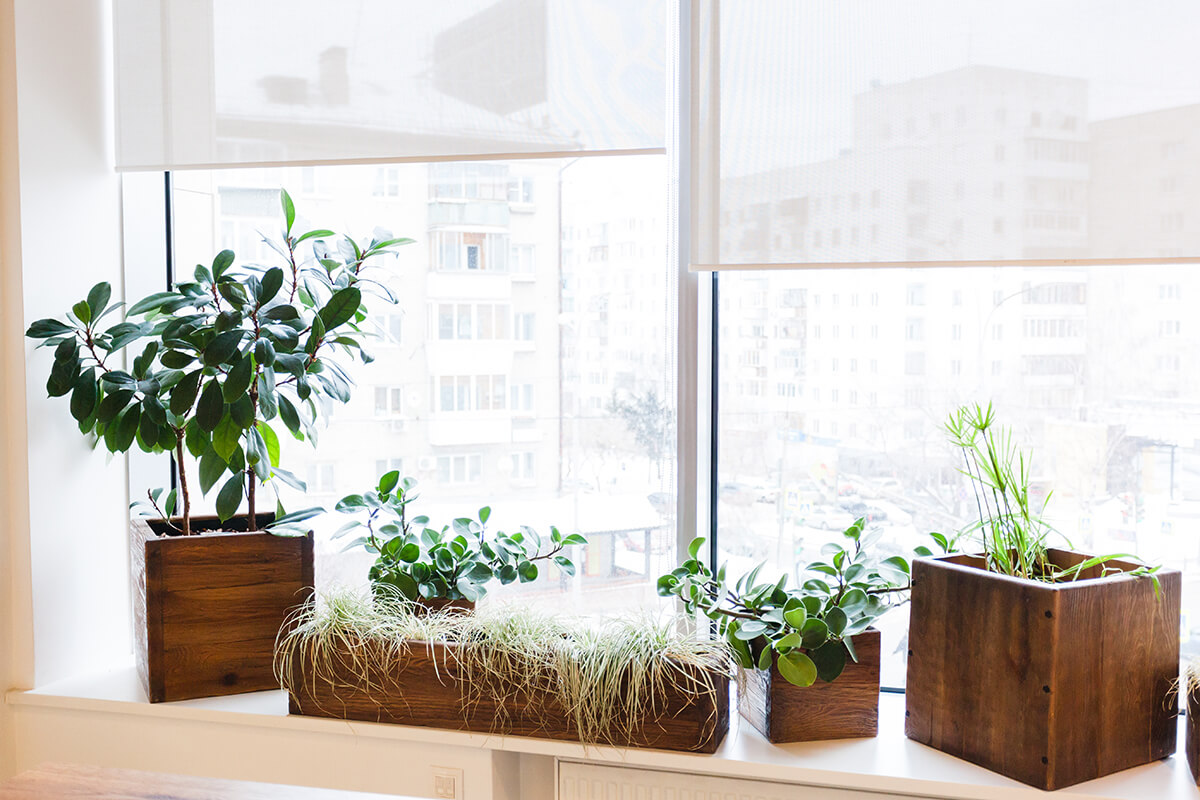
- Several feet away from a south or west-facing window: The light is brightest, but less intense and filtered, especially with a sheer curtain.
- Bright, well-lit corners: If your main source of light is overhead or diffused, pick a spot that isn’t in deep shadow.
How Do I Know If My Space Is Bright Enough?
Here’s an easy test: At midday, hold your hand about a foot over a surface. If your hand casts a soft, blurry shadow rather than a sharp one or no shadow at all, your Cissus rhombifolia should do well in that spot.
How Many Hours of Light Does Grape ivy Need Each Day?
- Ideal: Around 8–12 hours of bright, indirect light daily
- Minimum: 6–8 hours, but the more consistent, soft light you can provide, the better your Grape ivy will look
If you have short winter days, consider moving the plant closer to a window or even use a grow light to supplement, especially in northern apartments.
Does Grape ivy Tolerate Shade or Low Light?
Grape ivy is more adaptable than many houseplants and will survive in lower light. However, it won’t *thrive*—growth will slow, and leaves may become smaller or paler.
Grape ivy can tolerate some time in shade, but don’t keep it in a totally dark corner (like the back of a bookcase). Aim for at least some natural light each day.
What Are Signs of Insufficient Light?
Watch for these signs that your Grape ivy isn’t getting what it needs:
- Leggy growth: Stems grow long and weak, reaching for light.
- Small or pale leaves: New growth looks undersized or yellowish.
- Slow growth: The plant doesn’t seem to add new leaves or length.
- Leaf drop: Existing leaves may fall off without obvious reason.
If you notice these issues, try moving your vine closer to a brighter spot.
Tips: How To Mimic Natural Light for Cissus rhombifolia
1. Use sheer curtains to soften intense sunlight.
2. Rotate the plant every couple weeks for even growth.
3. Supplement with a grow light if your rooms are dark, especially in winter.
4. Clean the leaves regularly so dust doesn’t block precious light.
Summary: Helping Your Grape ivy Shine
To keep your Grape ivy (Cissus rhombifolia) thriving, offer it plenty of bright, indirect light—think near windows, but not too close to harsh rays. A little flexibility is okay, but avoiding deep shade and hot sun is key. Watch your plant, adjust as needed, and remember: even if you’ve placed your Grape ivy in the wrong spot before, you can always help it recover in the perfect light.