The Oyster plant (Rhoeo spathacea), sometimes called Moses-in-the-cradle, is a wonderfully forgiving, easy-care houseplant. Its striking purple and green leaves can brighten up just about any apartment or home. One of the most common questions new owners have is: How much light does a Oyster plant need? If you want your Rhoeo spathacea to grow lush and vibrant, understanding its light needs is the first step. Let’s break down exactly what your Oyster plant is looking for and how you can keep it happy, even if you’re dealing with less-than-ideal indoor lighting.
What Are the Ideal Light Conditions for Oyster Plant (Rhoeo spathacea)?
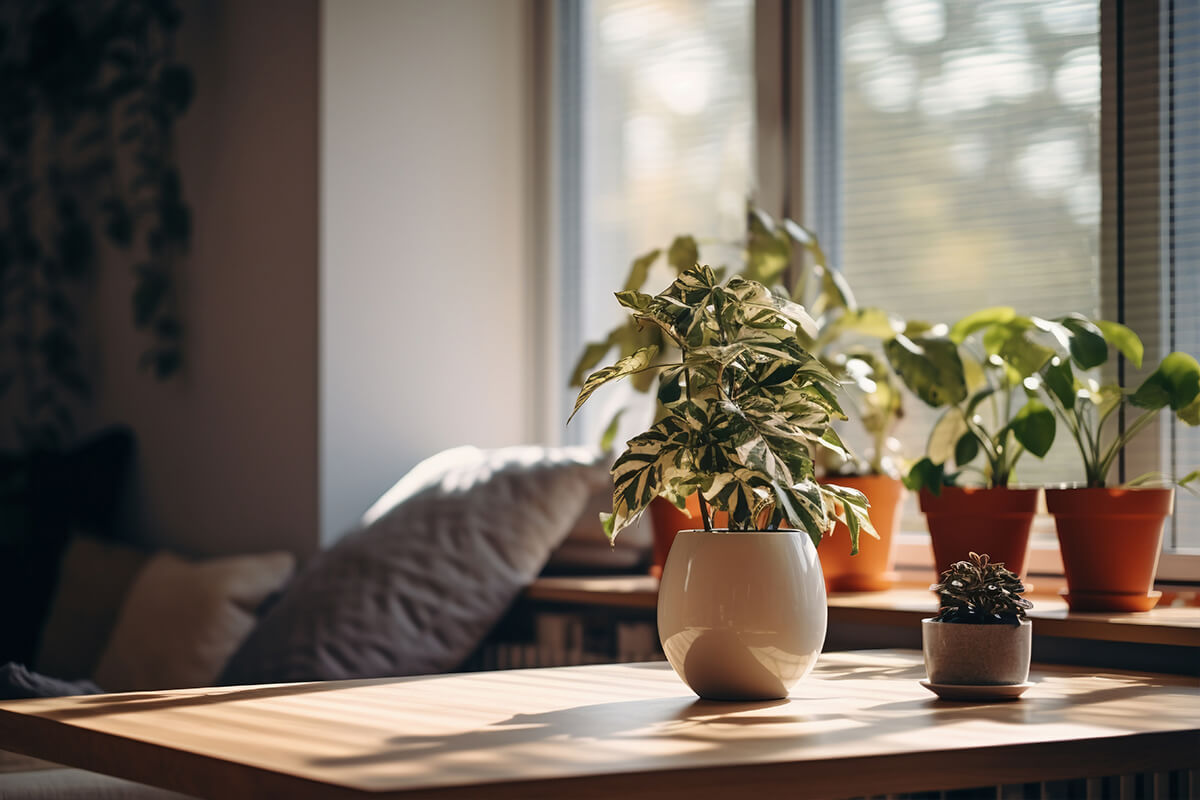
Oyster plants love bright, indirect light. In simple terms, this means the plant thrives best near a window where it gets plenty of natural daylight, but not harsh, direct sunbeams all day long.
- Best light: Bright, indirect sunlight.
- Tolerated: Dappled sun (such as through sheer curtains) or a couple of hours of direct morning sun.
- Risky: Strong, direct midday sunlight or deep, consistent shade.
Rhoeo spathacea is surprisingly adaptable, but it’s happiest when it gets lots of filtered light, which helps keep those purple leaves rich and colorful.
Where Should I Place My Oyster Plant in the Room?
Choosing the right spot for your Oyster plant makes all the difference. Here are some practical ideas:
- Near East or North-facing Windows: These windows give soft light, which is usually gentle enough that the plant won’t burn, but bright enough for healthy growth.
- A Few Feet from Bright Windows: If you only have south or west-facing windows (which get the strongest sun), place your Rhoeo spathacea several feet away or use a sheer curtain to filter the light.
- Bright Rooms: Even if the spot isn’t right next to a window, a room that feels bright during the day is likely suitable.
Don’t worry if you have to move your plant around to find the right spot. Sometimes a little trial and error is needed!
How Many Hours of Light Does an Oyster Plant Need Daily?
Aim for at least 6 to 8 hours of indirect light each day for the healthiest growth. The Oyster plant is fairly undemanding, but more light (without excess heat or burning sun) generally means fuller, more vibrant foliage.
If your room just isn’t that bright, you can supplement with a basic LED grow light, especially during gloomy winters.
How Can I Tell If My Space Is Bright Enough for a Rhoeo spathacea?
You don’t need fancy tools. Use these easy checks:
1. Hand Shadow Test: Hold your hand in the spot during the brightest part of the day. If you see a soft, but clear shadow, it’s probably bright enough.
2. Reading Test: If you can comfortably read without turning on lights in the middle of the day, your Oyster plant should be happy.
3. Room Appearance: Generally, a room that feels lively and sun-filled to you is also good for the plant.
Does Rhoeo spathacea Tolerate Direct Sun?
A little direct sunlight, like the gentle morning sun, is fine for the Oyster plant. However, too much direct midday or afternoon sun can scorch the leaves—you might notice crispy edges or faded colors.
Will an Oyster Plant Survive in Shade?
Although the Oyster plant can survive in lower light or even shade, the foliage may turn duller, and the plant can become leggy (long, stretched out stems with sparse leaves). It won’t die right away, but it won’t look its best.
Signs Your Oyster Plant Needs More Light
Watch for these warning signs:
- Leaves lose their rich purple color and look pale
- Stems grow long and weak (leggy growth)
- Slow or stunted new growth
- Leaves start to droop or fall off
How to Mimic Natural Conditions Indoors
To help your Rhoeo spathacea flourish, try these tips:
- Place near a window with a sheer curtain to filter intense sun
- Rotate the pot every few weeks for even growth
- Use a simple grow light if your home is dim, especially in winter
- Don’t place directly against cold, drafty windows in winter
Summary: Helping Your Oyster Plant Shine
Providing the right light for your Oyster plant (Rhoeo spathacea) isn’t hard—it just takes a bit of observation and care. Aim for bright, indirect light for 6–8 hours daily. A little gentle sun is fine, but avoid harsh midday rays and deep shade. Check your space and adjust the plant’s position if the leaves seem to struggle. With these simple guidelines, your Oyster plant will reward you with lush growth and bold, beautiful color, making it a cheerful companion in any home.