If you’re lucky enough to own a Queen’s-tears (Billbergia nutans), you’ve discovered one of the most enchanting – and surprisingly forgiving – houseplants around. But even the hardiest indoor plant needs the right home conditions to show its best colors, send up those quirky, pink-tipped blooms, and stay healthy over the long term.
One of the most common questions about Queen’s-tears is: “How much light does this plant really need?” Whether you’re a brand-new plant parent or hoping to coax better blooms from an established Billbergia nutans, learning about light requirements is a great place to start.
What Are the Ideal Light Conditions for Queen’s-tears?
Queen’s-tears thrives in bright, indirect light. In nature, Billbergia nutans grows under the dappled canopy of South American forests, nestled in tree branches rather than exposed to harsh midday sun. At home, this means you’ll want to give your plant plenty of light, but avoid burning, direct sunlight.
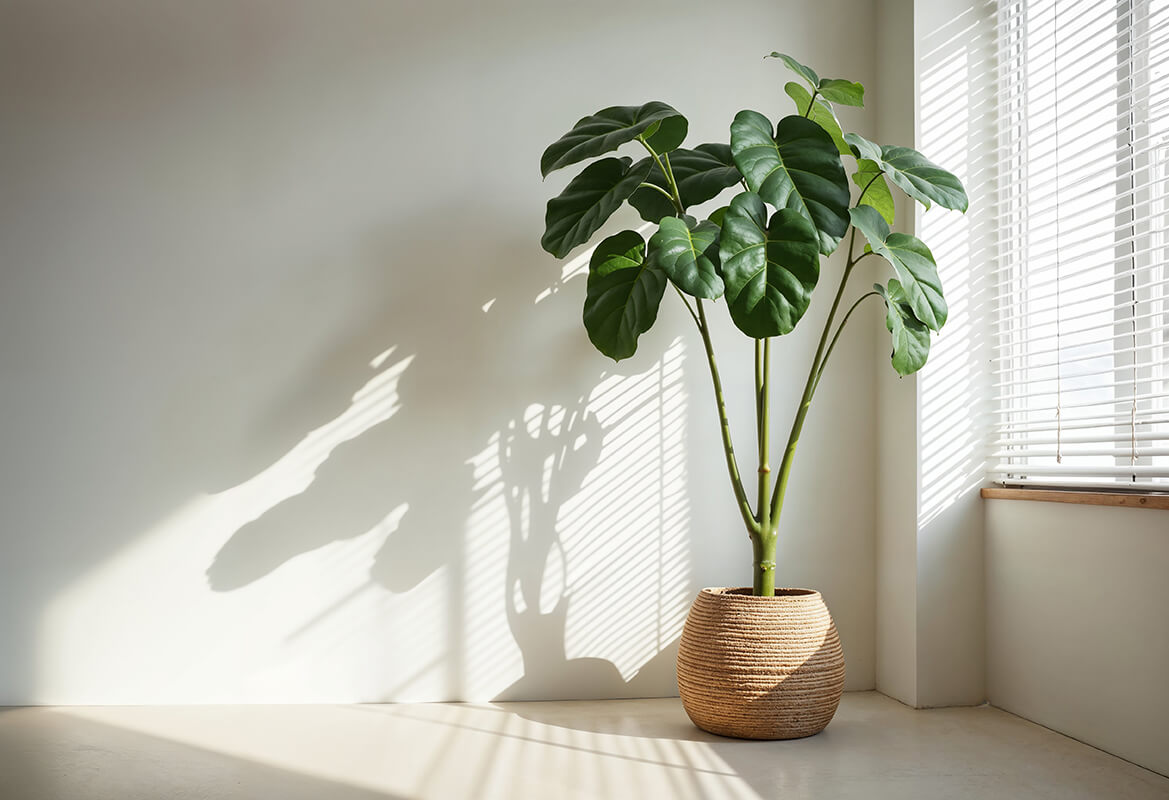
Bright, indirect light means the spot is filled with daylight, but the sun’s rays don’t hit the leaves directly for most of the day. Think of a spot near a sunny window with a sheer curtain, or an area where the plant receives morning sunlight but shade by afternoon.
Where Should I Place Billbergia nutans in My Room?
Your Queen’s-tears will be happiest:
- Near an east or north-facing window (this provides good light without much harsh direct sun)
- Several feet from a south or west-facing window, making use of sheer curtains or blinds to soften intense light
- On a table, shelf, or plant stand away from cold drafts and heat sources
_If you have a small apartment, don’t worry – Billbergia nutans doesn’t need a giant windowsill. Just look for a spot where you’d comfortably read during the day without turning on a lamp._
How Many Hours of Light Does Queen’s-tears Need Daily?
- Ideal: 8-12 hours of bright, indirect light each day
- Direct sun? Only brief morning sun is usually tolerated (1-2 hours max)
- Too much? Avoid more than 2 hours of direct, strong sun – this can scorch leaves
If your apartment doesn’t get much natural light, consider supplementing with a simple LED grow light set on a timer for at least 8 hours daily.
How Can I Tell if My Space Is Bright Enough for Queen’s-tears?
Not sure if your room is bright enough? Try these quick tests:
1. Hand shadow test: In the plant’s spot during the day, hold out your hand. If you see a clear shadow but not a sharply defined or dark outline, that’s bright, indirect light.
2. Book reading test: If you can comfortably read a book without turning on a light, and there’s enough daylight to see colors clearly, it should be suitable.
Does Queen’s-tears Tolerate Direct Sun or Shade?
- Tolerates a little bit of direct sun – especially morning sun – but avoid sustained strong sunlight.
- Tolerates light shade, but very shady spots can lead to problems.
_Think: Goldilocks rules! Not too bright, not too dark._
What Are the Signs of Insufficient Light for Billbergia nutans?
Here’s what to watch for:
- Leaves become pale, “washed out,” or start to droop
- Plant stops growing or flowering
- Leaves become soft or start bending toward the window
- Soil stays damp for too long because the plant can’t use water quickly
If you notice any of these, try moving your Queen’s-tears to a brighter spot or adding supplemental light.
How Can I Mimic Natural Conditions at Home?
Here are a few practical tips:
- Use a sheer curtain to diffuse sunlight in bright rooms
- Rotate your plant every few weeks to promote even growth
- Combine a main window area with reflective surfaces (like a white wall!) to bounce more light onto the leaves
- When using artificial lights, place the lamp about 12-24 inches above the top of the plant
Summary: Let Your Queen’s-tears Shine
Queen’s-tears (Billbergia nutans) is happiest with plenty of bright, indirect light – just like in its natural forest home. Give your plant around 8-12 hours of gentle but clear daylight each day, protect it from harsh noon sun, and keep an eye out for droopy or pale leaves as a sign for more brightness. There’s no need to stress if you haven’t given your Queen’s-tears perfect lighting before – now’s the perfect time to adjust, and your Billbergia nutans will reward you with healthy, dramatic foliage (and maybe blooms, too).