
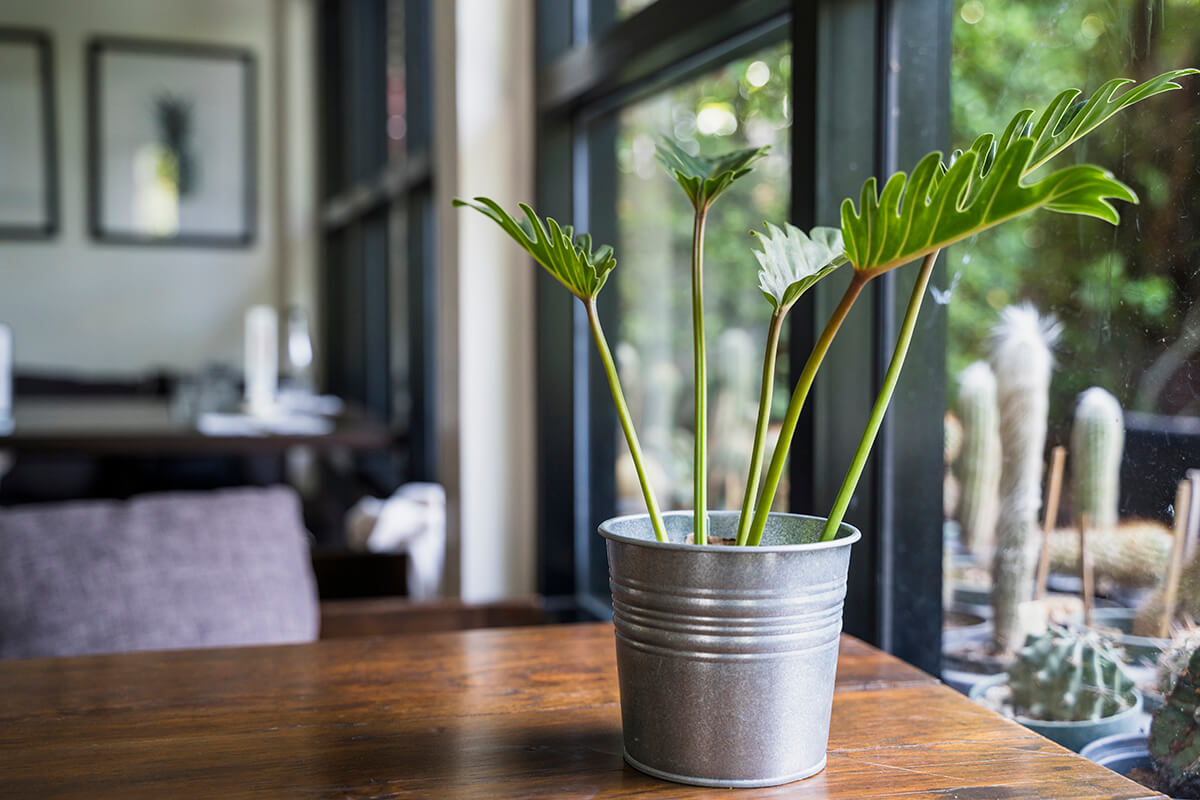
If you have a Rebutia (also known as Rebutia minuscula) on your windowsill, you’re in good company. These cheerful, spiky cacti are favorites among houseplant lovers for their adorable shape and brightly colored blooms. But to get your Rebutia thriving—maybe even blooming indoors—you’ll need to understand its light needs. Don’t worry if you’re unsure where to start; you’re about to learn exactly how much light a Rebutia needs, how to spot problems, and how to create the perfect conditions in your home.
What Are the Ideal Light Conditions for Rebutia?
Rebutia minuscula is native to the high-altitude regions of South America, where the sun is bright, but often filtered by clouds or mountain shadows. Indoors, this means your Rebutia prefers lots of bright, indirect light—think “well-lit,” but not scorched by sunbeams.
- Bright, indirect light: A spot with plenty of natural daylight, but where the sun’s rays don’t fall directly on the plant for hours on end.
- Short periods of morning sun: Gentle, early morning sunlight is usually safe and welcome.
Where Should I Put My Rebutia in the Room?
Finding the best spot can be fun! Here are some good options:
- East-facing window: This gets gentle morning sun and is ideal.
- South or west-facing window: Place your Rebutia a bit back from the windowsill, where it receives bright light but not too much harsh, direct afternoon sun.
- Filtered light: Use a sheer curtain to soften strong sunlight, especially during summer.
If you live in an apartment with limited sunlight, consider these tips:
- Use a bright room with as many windows as possible.
- Avoid placing your Rebutia in the center of a room far from natural light sources.
How Many Hours of Light Does Rebutia Need Each Day?
Aim to give your Rebutia minuscula at least 6 hours of bright, indirect light each day. If it’s getting a little direct morning sunlight, that’s a bonus—but more than 2-3 hours of intense midday or afternoon sun can damage it.
How Do I Know If My Space Is Bright Enough for Rebutia?
Here’s an easy way to test your light:
1. Find the spot you want to use.
2. At midday, place your hand about six inches above the surface.
3. If your hand casts a crisp, clear shadow, you have plenty of light!
4. A faint, fuzzy shadow means it’s bright enough, especially with a bit of morning sun.
If you’re squinting or turning on lights by noon, it might be too dim for your Rebutia.
Does Rebutia Tolerate Direct Sun?
- Tolerates gentle morning sun—but too much direct midday or afternoon sun, especially in summer, can scorch its skin (turning it yellow or brown).
- Acclimate gradually: If moving your Rebutia to a brighter spot, introduce more light gradually to avoid sunburn.
Does Rebutia Tolerate Shade?
Rebutia minuscula isn’t happy in full shade. While it won’t die immediately, it may stop growing, look pale, or become drawn out and thin (“leggy”). It’s best to move it somewhere brighter if you notice these issues.
What Are the Signs My Rebutia Needs More Light?
Watch for these clues:
- Pale or yellowing color
- Stretching or leaning toward the window
- No flowering during blooming season
- Slow or halted growth
If you spot these signs, move your Rebutia to a brighter location—even artificial grow lights can help.
How Can I Mimic Natural Conditions Indoors?
If you want your Rebutia minuscula to *really* thrive, try these tips:
- Use a sheer curtain to replicate those bright but filtered mountain skies.
- Rotate your pot every week so all sides get light.
- Supplement with a simple LED grow light for 8-10 hours daily during winter or in darker rooms.
Summary: The Golden Rule for Rebutia Light Needs
With bright, indirect light—plus a dash of gentle sun—your Rebutia will show its best colors and maybe even grace you with flowers. Remember, Rebutia minuscula is more forgiving than some cacti, but too much shade will make it sad, while too much afternoon sun can cause burns. If things didn’t go perfectly before, don’t worry! With these easy steps, your Rebutia can thrive in any bright spot you have.