The Satin Pothos (also known as *Scindapsus pictus*) is a popular houseplant thanks to its attractive silver-splashed leaves and easygoing nature. If you’re hoping to keep your Satin Pothos healthy and lush, understanding its light requirements is key. Where should you place your Satin Pothos at home? How much light does it really need, and how do you tell if it’s getting enough or too much? This guide will walk you through all you need to know about the ideal lighting conditions for *Scindapsus pictus*, even if you’re brand new to plant care.
What Are the Ideal Light Conditions for Satin Pothos?
The Satin Pothos naturally grows in the dappled shade of tropical forests. It prefers bright, indirect light — think of the gentle sunlight that filters through tree leaves. Direct sunlight can be too harsh and cause its beautiful leaves to fade or scorch, while very low light will slow growth and reduce the silvery markings.
Best Light for Thriving:
- Bright, indirect light (a spot near a window, but not in the path of the sun’s direct rays)
- Tolerates medium light settings, but don’t push it too far into the dark
Where Should I Place My Satin Pothos in the Room?
Finding the right spot makes all the difference:
- Near an east- or north-facing window: These usually offer gentle morning light.
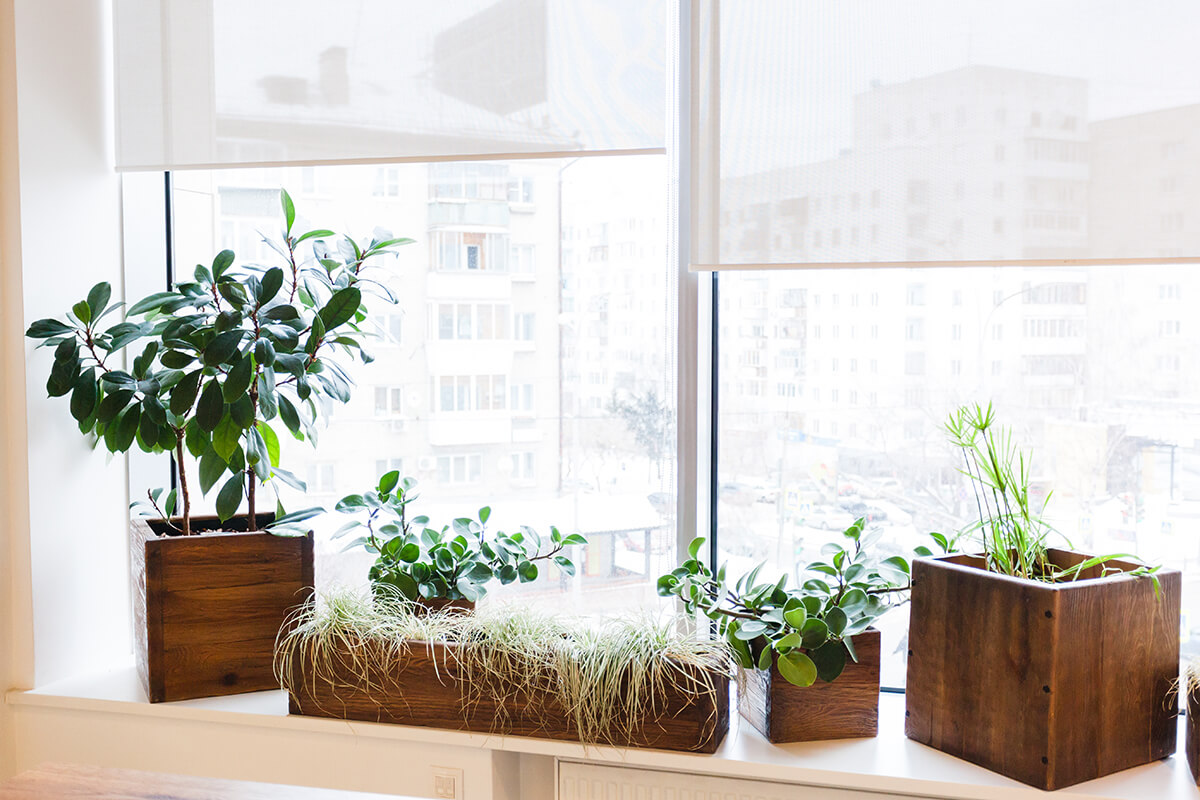
- A few feet from a south- or west-facing window: Place your *Scindapsus pictus* out of direct rays, perhaps behind a sheer curtain.
- On a table or shelf across the room from a bright window: This works if the space is generally well-lit during the day.
Avoid These Locations:
- Right on a sunny windowsill in direct midday sun
- Deep, windowless corners where you struggle to read without a lamp
How Many Hours of Light Does a Satin Pothos Need Each Day?
Aim to give your Satin Pothos about 8 to 12 hours of indirect light daily.
- In a well-lit room, natural daytime hours are usually enough.
- If your home is a bit dim, consider using a small grow light for a few hours, especially during winter.
How Can I Tell If My Space Is Bright Enough for Satin Pothos?
A simple test:
Stand where you plan to keep the plant and look at the light on your hand or a piece of paper, preferably at midday.
- Soft, defined shadow: Bright indirect light—perfect!
- No shadow: Likely not enough light for best growth.
- If you can read comfortably without turning on a lamp during the day, it’s probably bright enough.
Does Satin Pothos Tolerate Direct Sun?
While the Satin Pothos is a tough plant, direct sun is usually too strong.
- Direct sunlight (when sunbeams hit the leaves for hours) can cause yellow, brown, or faded spots.
- A little gentle morning sun is okay, but harsh afternoon rays are a no-go.
Can Satin Pothos Grow in Shade or Low Light?
Scindapsus pictus is adaptable and can survive in lower light, making it popular for apartments and offices. However, in deep shade:
- Growth slows dramatically.
- Leaves may get smaller and lose their silvery shine.
If you only have a shady spot, your Satin Pothos will survive, but you’ll see its best color and health with more light.
Signs Your Satin Pothos Needs More (or Less) Light
Keep an eye out for these clues:
Too Little Light:
- Leggy, stretched stems
- Smaller, paler leaves
- Loss of silver markings
- Slow or no new growth
Too Much Light:
- Yellow or brown dry patches
- Faded or “bleached” look on leaves
Tips: How to Mimic Natural Conditions for Satin Pothos
1. Use a sheer curtain to diffuse strong window light.
2. Rotate your plant every few weeks so all sides receive even light.
3. Group with other plants to imitate the understory of the jungle.
4. Supplement with a basic LED grow light in winter or low-light rooms.
Summary: Helping Your Satin Pothos Shine
Caring for a Satin Pothos is forgiving — it doesn’t have to be complicated! Just remember: bright, indirect light is best. A spot close to, but not in, direct sun will help your Scindapsus pictus thrive and show off those lovely silver leaves. If you notice slow growth or dull coloring, it might need a little more brightness. With a few small adjustments, even a beginner can keep their Satin Pothos happy and healthy, no matter where they live.