
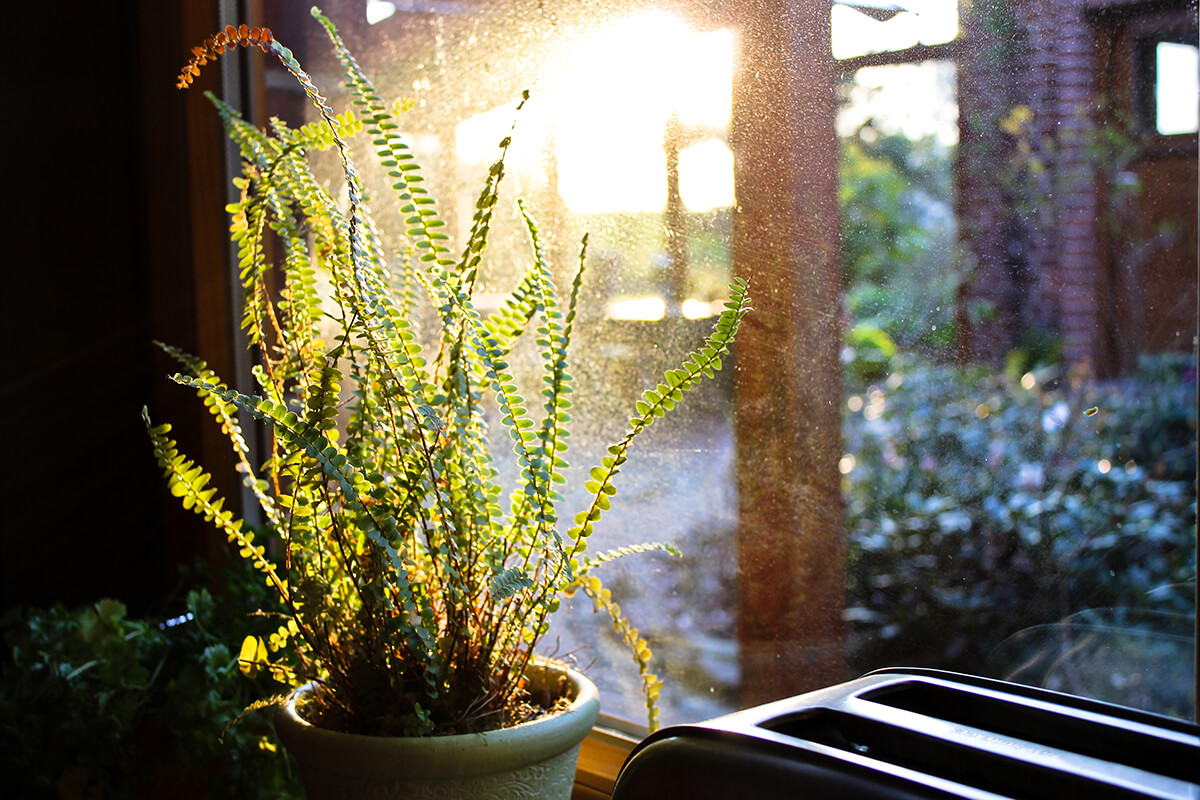
If you recently welcomed a Wmerald ripple peperomia (Peperomia caperata) into your home, you’ve chosen a charming houseplant. Those rippled, heart-shaped leaves with their deep emerald tone add personality to any shelf or tabletop! But to see this plant really thrive, one key factor makes all the difference: light.
Don’t worry if plant care feels confusing—everyone starts somewhere. Let’s break down the light needs of Wmerald ripple peperomia so you can help your new leafy friend enjoy its best life.
What Are the Ideal Light Conditions for Peperomia Caperata?
Short answer: The Wmerald ripple peperomia loves bright, indirect light.
What does “bright, indirect light” mean? Imagine a spot in your room where sunlight pours in, but never directly strikes the leaves. Think of it like enjoying the sun from behind a sheer curtain or just out of direct beams. This mimics their natural habitat on the forest floor, shielded by taller plants.
Why Not Direct Sun? Direct sun can scorch the delicate leaves, causing washed-out colors or crispy edges. Instead, they thrive where the light is strong but gentle.
Where Should I Put My Wmerald Ripple Peperomia?
Great spots in most apartments:
- Beside, but not right in, an east- or north-facing window. These tend to get gentle morning light.
- A few feet away from a bright, south- or west-facing window—well out of the direct afternoon sun.
- On a desk, shelf, or table where the light feels bright enough for you to read a book comfortably.
Pro tip: If sunlight ever lands on your skin at that spot for more than 30 minutes midday, it’s probably too direct for your Peperomia caperata.
How Many Hours of Light Does This Plant Need Daily?
Peperomia caperata prefers about 8–12 hours of indirect light every day.
They can handle less, but will grow more slowly and may look less vibrant. If you live somewhere with very little natural light (especially in winter), you might use a simple LED plant light for a few hours in the morning or evening.
How Do I Know If My Space Is Bright Enough for a Wmerald Ripple Peperomia?
A quick test: Hold your hand between the plant and the light source. Does it cast a soft shadow? That’s usually perfect!
Here are a few more signs your spot is bright enough:
- You don’t need to turn on the room light during most of the day.
- Other low-light houseplants (like pothos or snake plants) are happy nearby.
- The leaves on your peperomia stay vivid and slightly shiny.
If you aren’t sure, try moving your plant around and see where it looks happiest.
Does the Wmerald Ripple Peperomia Tolerate Direct Sun?
Not really. A little early morning sunlight is usually okay, but harsh direct sun (especially afternoon sun) can:
- Fade or bleach the beautiful leaf color
- Cause brown, crispy patches on the leaves
If your only option is a sunny windowsill, use a sheer curtain or set the plant further back.
Does This Plant Tolerate Shade?
Wmerald ripple peperomia will survive in lower light, but it won’t look its best. In deep shade or far from any windows, you might notice:
- Droopy growth
- Fewer new leaves
- Long, stretched stems
While tolerant for a while, your peperomia needs at least some bright, indirect light to stay healthy.
What Are the Signs of Insufficient Light?
Watch for these common clues that your Peperomia caperata is not getting enough light:
- Stretched or leggy growth (long stems with big gaps between leaves)
- Dull, faded, or smaller leaves
- Drooping or very slow growth
If you notice these signs, move your plant closer to a brighter spot and watch it perk up!
How Can I Mimic Natural Light Conditions?
It’s easier than it sounds! Here are some practical tips:
1. Use curtains or blinds to soften strong sunlight.
2. Rotate your plant every few weeks so all sides get equal light.
3. Supplement with a grow light (simple LED bulbs are fine) when rooms turn gloomy.
4. Group plants together—this can increase humidity and mimic the plant’s forest origins.
Summary: Setting Your Wmerald Ripple Peperomia Up for Success
The secret to a happy, healthy Wmerald ripple peperomia is simple: Lots of bright, indirect light, but never harsh sun. A spot near a window with filtered light is ideal, and a little extra glow from a lamp helps if your room is dim. Watch for the plant’s signals, and don’t worry—if the leaves droop or fade, you can always adjust its spot. With a little attention, your Peperomia caperata will reward you with lush, ripple-leaved beauty for years to come!