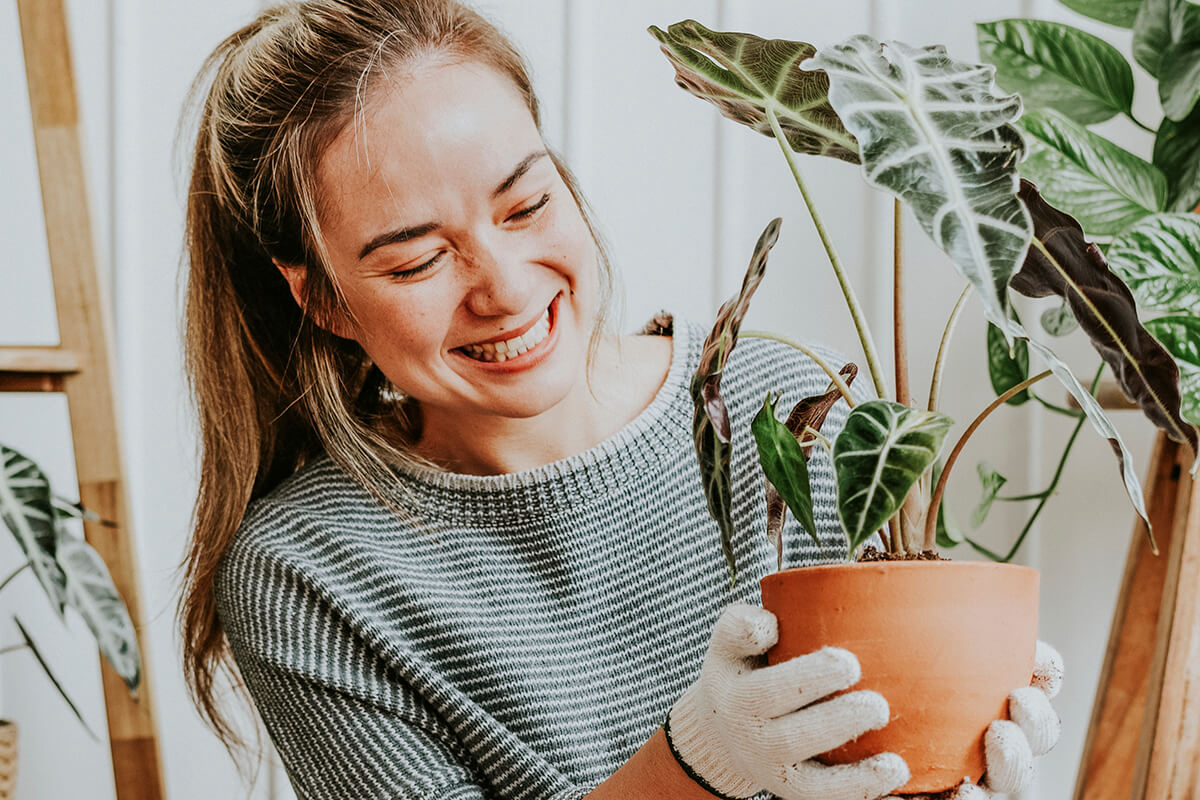
If you’ve noticed your plants looking a little droopy or their roots tangled and poking through the bottom of their pots, it might be time for a move—and some fresh compost for repotting plants. Don’t worry if you’ve never repotted a plant before, or if you’re worried about making mistakes. Everyone starts somewhere, and a little extra knowledge (plus a dose of patience) is all you need to help your green companions flourish. Let’s dig into how choosing the right compost for repotting plants can make all the difference, whether you live in a spacious home or a cozy city apartment.
Why Is Compost for Repotting Plants Important?
Fresh compost for repotting plants provides vital nutrients that old potting soil loses over time. When we keep plants in the same soil for too long, they run out of the good stuff they need to grow: nutrients, air, and space for roots to spread. Repotting with new compost gives your plants a healthy reboot, leading to bigger, lusher growth and happier plant parents.
Benefits of Using Compost for Repotting Plants
- Nutrient boost: Replaces depleted minerals.
- Better drainage: Prevents soggy soil and root rot.
- Improved root space: Helps roots spread and breathe.
- Healthier microbes: Supports helpful organisms for plant health.
What’s the Best Compost to Use When Repotting Plants?
With so many bags of soil and compost at the store, picking the right one can seem daunting. Here’s how to find the best compost for repotting plants, especially if you’re just getting started.
1. Read the Label—What Should You Look For?
- Multipurpose compost: Great for most houseplants.
- Peat-free options: Better for the environment but just as effective.
- Added nutrients: Some composts have extra food for your plants.
If you want a simple choice, multipurpose compost covers most needs. However, if you have picky plants (like orchids or succulents), check if there’s a special type for them.
2. Can You Make Your Own Compost for Repotting Plants in an Apartment?
Absolutely! Even in small spaces, you can compost at home. A tiny countertop compost bin or a balcony worm farm (vermicomposting) works wonders. Here’s what you’ll need:
- Food scraps (veggie peels, coffee grounds)
- Shredded paper or cardboard for balance
- Time—homemade compost takes weeks to months to be ready
Once your compost is dark, crumbly, and smells earthy, you can blend it into regular potting soil (about 1/3 compost to 2/3 soil) for extra plant power.
How Do You Repot a Plant Step-by-Step?
It’s normal to feel nervous repotting, especially after hearing stories of “plant shock.” Let’s break it down so you can feel confident:
1. Choose a pot: Pick one that’s only 1–2 inches bigger than your plant’s current pot.
2. Prepare your compost for repotting plants: Use fresh, store-bought or homemade compost.
3. Loosen the plant: Gently remove your plant from the old pot, loosening roots if tangled.
4. Add compost: Put some compost in the bottom of the new pot.
5. Set your plant: Place your plant, then fill around the edges with more compost. Press lightly.
6. Water well: Give it a good drink to settle the soil.
7. Find a happy spot: Put your plant somewhere bright, but out of direct sun at first.
Common Myth: “All Soil Is the Same, So It Doesn’t Matter What I Use”
Here’s the truth: not all compost or soil is created equal. Regular garden soil or the dirt from outside isn’t ideal for indoor pots—it’s often too heavy and may bring in pests. Compost for repotting plants is specially made to keep soil light, well-drained, and full of nutrients. Your houseplants really will notice the difference.
Quick Tips for Keeping Repotted Plants Healthy
- Wait a few weeks before adding fertilizers; new compost may have plenty already.
- Keep the soil moist, not soggy.
- Watch for wilting—it’s normal for a few days, but plants usually perk up quick!
Summary: Give Your Plants a Fresh Start With Compost for Repotting Plants
Repotting might feel intimidating, but choosing the right compost for repotting plants sets both you and your leafy friends up for success. Fresh compost gives tired houseplants everything they need to grow stronger, greener, and happier—no matter how small your living space. Remember, you don’t need to be perfect; each repotting is a step towards becoming a more confident plant parent.