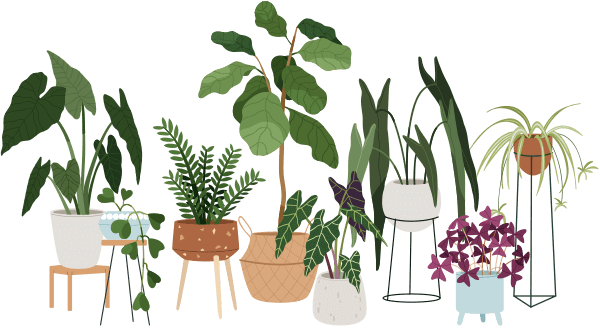
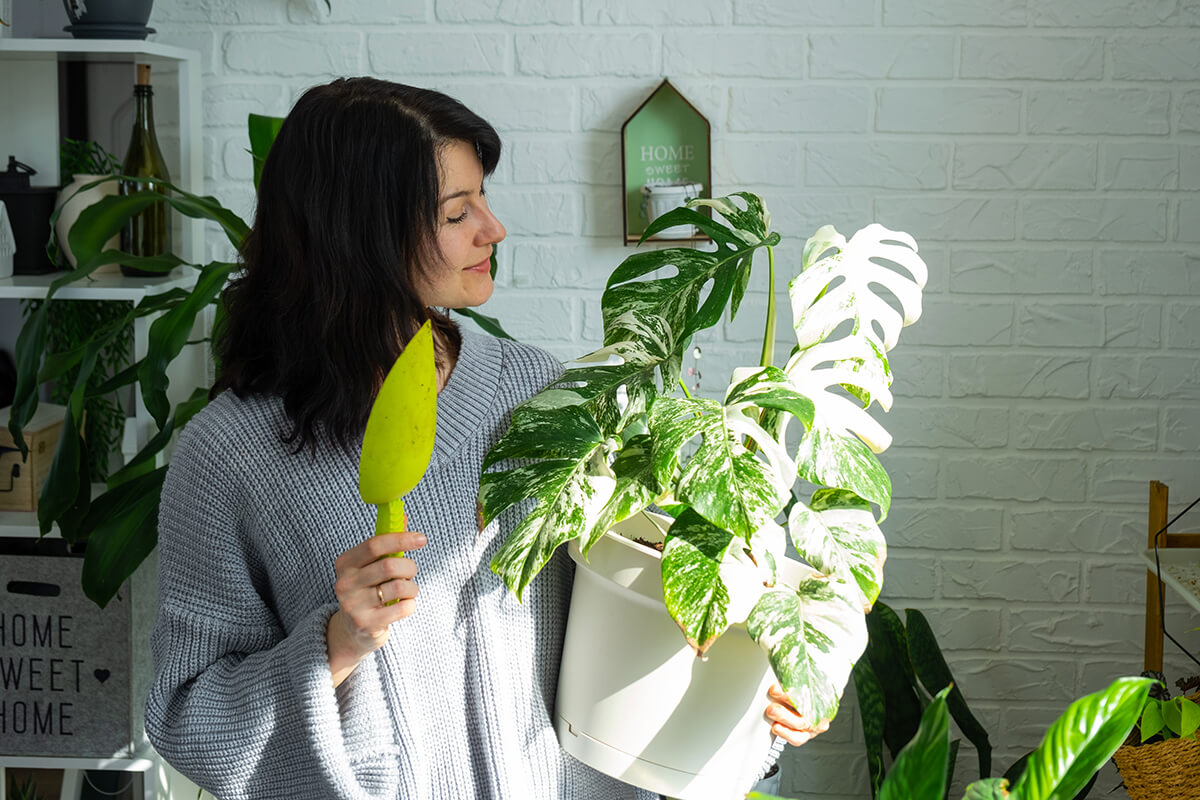
Imagine this: You wake up, sunlight streaming through your window, and your home is filled with the gentle green of thriving plants—herbs ready for lunch, flowers in bloom, and maybe a tomato plant promising ripe fruit. Welcome to the world of home garden and DIY! Whether you have just a few windowsills or a cozy balcony, you absolutely can create a lush, joyful space. Even if your last plant didn’t make it, don’t worry. Everyone starts somewhere, and everyone learns.
Why Start a Home Garden and DIY Project?
Loving plants isn’t just for people with big backyards. A home garden and DIY approach has many benefits—some you may not expect:
- Stress relief: Caring for plants can be peaceful and meditative.
- Fresh herbs and veggies: Grow what you love to eat, right in your kitchen.
- Brighter spaces: Even a few pots make your home feel alive.
- Learning and accomplishment: Watching something thrive because of your care is rewarding.
If you’ve accidentally let a plant dry out (or drown—hey, it happens!), that’s actually normal. Every green thumb started as a beginner, usually with a droopy leaf or two to show for it.
How Do You Start an Indoor Home Garden and DIY Project?
Starting is easier than you might think. Here’s a straightforward blueprint:
1. Assess Your Space and Light
- South-facing windows: Best for sun-loving plants like basil or succulents.
- North-facing windows: Gentler light great for ferns or pothos.
- No direct sun? Don’t give up! Many plants need only a bit of daylight.
2. Choose Your First Plants Wisely
Start with low-maintenance, forgiving varieties such as:
- Snake plant
- Spider plant
- Pothos
- Herbs like mint, chives, or parsley
These plants are famous for surviving even if you forget them for a while.
3. Pick Suitable Containers
- Any pot with drainage holes will work.
- Recycle yogurt cups or mason jars (poke a hole in the bottom for drainage).
- Try hanging planters to save space.
4. Use the Right Soil
- For most houseplants, a basic potting mix is perfect.
- For succulents, choose soil labeled “cactus” or “succulent”—it drains faster.
5. Water with Care
- Most plants hate soggy roots. Water when the top inch of soil is dry.
- It’s better to underwater than to overwater. Plants recover from thirst more easily than from drowned roots.
6. Feed Occasionally
A little plant fertilizer once a month during growing season (spring/summer) works wonders—but skip it in winter.
What Are Some Easy DIY Projects for Your Home Garden?
Expanding your home garden and DIY skills can be creative and affordable. Here are a few fun ideas:
- DIY Self-Watering Pots: Put a bottle filled with water upside-down in the soil—instant low-maintenance care!
- Mason Jar Herb Garden: Attach jars to a board or sit them on a sunny shelf for fresh herbs at your fingertips.
- Pebble Trays: Place pots on trays filled with pebbles and water to add humidity (great for ferns).
- Repurposed Containers: Use old teacups, cans, or baskets for a unique, eco-friendly touch.
Want a plant wall? Mount shelves or hang pockets to display your green friends vertically.
Is It True That Indoor Plants “Clean” the Air?
You may have heard that indoor plants act like “natural air filters.” It’s a nice idea, but here’s the real deal:
While plants can freshen up small amounts of air, you’d need a jungle to see dramatic purifying effects. Still, they do help improve the vibe—lower stress, increase happiness, and provide a touch of nature.
Summary: Your Home Garden and DIY Journey Starts Now
Starting your home garden and DIY adventure is all about small, practical steps. Don’t fear mistakes—every plant is a new chance to learn. With simple tools, easy plant choices, and a dash of curiosity, your indoor space can blossom into something beautiful and personal. Remember: plants don’t judge, and neither should you. Start now, and let your home garden and DIY journey grow with you.