Have you glanced at your towering monstera or sprawling fiddle leaf fig and wondered, “Is it time to do something about those roots snaking out of the pot?” Do you feel a bit nervous about the whole process? Take a breath—you’re certainly not alone! Repotting big plants may sound challenging, but with the right steps and plenty of encouragement, it can be a fun and deeply satisfying task.
Think of repotting as giving your beloved green friends a fresh start—a chance to thrive in new surroundings. Whether you’re dealing with a floor-to-ceiling dracaena or a mature peace lily, this guide gives you everything you need to feel empowered, not overwhelmed.
When Should I Repot My Big Plant?
One of the most common questions new plant parents ask is *when* they should tackle repotting big plants. As a general rule, every 2-3 years is about right. But here are some easy-to-spot signs that your leafy giant might need room to grow:
- Roots are growing out of the drainage holes.
- The plant dries out much faster than before.
- Growth has slowed or stopped altogether.
- The pot is bulging or even cracking.
- You see roots circling the top or bottom of the soil.
Don’t worry if you haven’t done it on schedule. Most plants will forgive you; knowing when to start is the first step.
How to Prepare for Repotting Big Plants
A little bit of setup can make repotting big plants much easier. Here’s what you’ll need:
What Supplies Should I Gather?
- A new pot one size larger (with drainage holes!)
- Fresh potting mix suited to your plant type
- Gardening gloves (optional, but can help with big, prickly leaves)
- A trowel or large spoon
- An old bedsheet, tarp, or towels to protect your floor
- Watering can
Lay everything out ahead of time so you’re not searching for missing items midway through the process.
Step-by-Step Guide: How Do You Repot Big Plants?
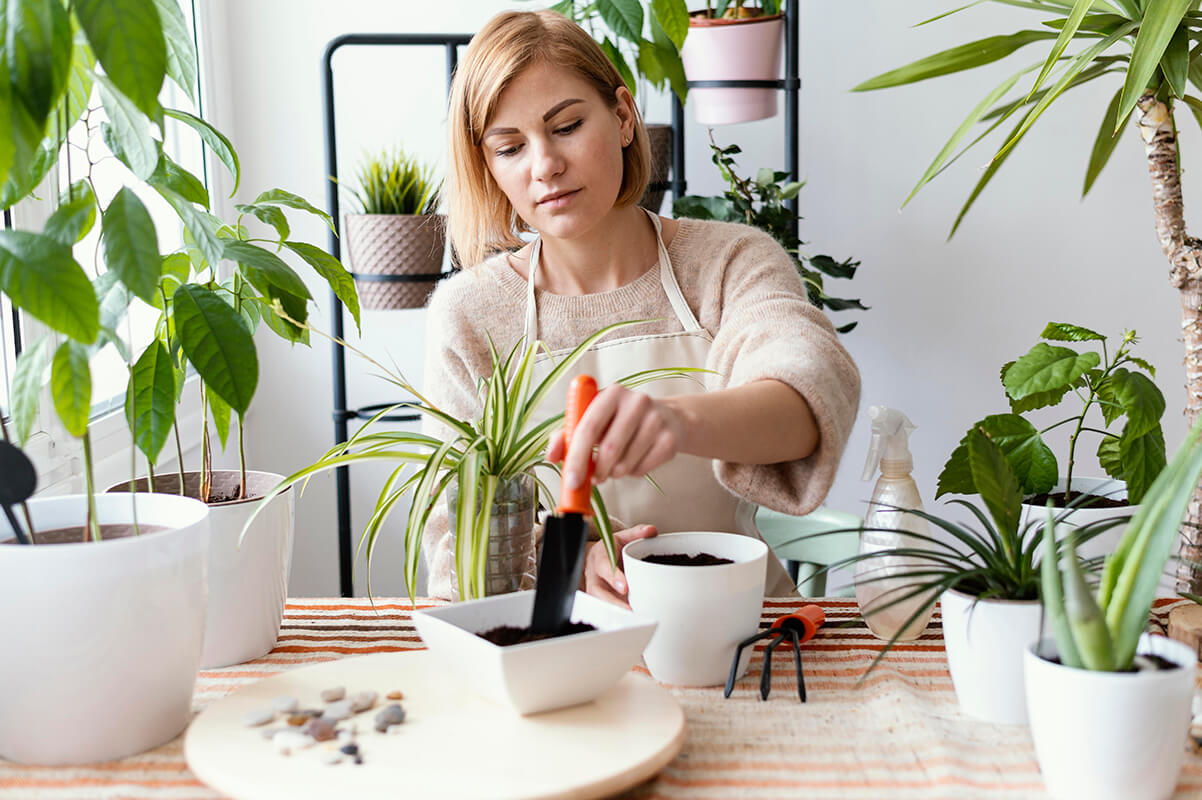
You might be picturing a mess, but with a little care, repotting big plants can be tidy—maybe even fun. Here’s how to do it:
1. Prep your area: Lay down cloth or a tarp to catch stray soil.
2. Gently remove the plant: Hold the plant by its base. If it’s stuck, gently loosen the soil around the edges. If really stubborn, tip the pot sideways and tap the sides or bottom gently.
3. Check the roots: Healthy roots are white or light tan. Trim away any mushy, rotten, or excessively long circling roots with clean scissors.
4. Add fresh soil: Fill the new pot’s bottom with a layer of fresh potting mix.
5. Center your plant: Place the plant in its new home. The base of the stem should sit slightly below the rim.
6. Backfill with soil: Fill around the roots, gently pressing as you go. Leave about an inch at the top for watering.
7. Water thoroughly: Let water drain fully.
8. Clean up and celebrate: Wipe leaves, tidy up, and give yourself a pat on the back!
What If I Accidentally Break Roots or Stems?
First, don’t panic—plants are remarkably resilient. A few broken roots or a snapped leaf won’t spell disaster. Just trim off any broken parts cleanly and continue the process. Your plant will recover.
Myth Buster: Do Big Plants Need Huge Pots?
It’s a common misconception that large plants automatically need much larger pots. In truth, moving up just one size keeps roots healthier and prevents waterlogged soil. Big jumps in pot size can actually cause root rot, especially for apartment dwellers concerned about mess or weight.
Troubleshooting: Why Is My Plant Droopy After Repotting?
Repotting is a little stressful, but most plants bounce back. Drooping can happen, but usually resolves in a week or two. Avoid bright, direct sun for a few days and keep the soil lightly moist. Soon, your plant should perk up.
Summary: Mastering Repotting Big Plants—One Step at a Time
Repotting big plants doesn’t have to be scary. With a little preparation and patience, you’ll give your favorite leafy companions new energy to flourish. If you make a mistake, don’t worry; most plants are more forgiving than you think. With each repotting, you’ll gain confidence, skill, and an even stronger bond with your indoor jungle. Happy gardening!