
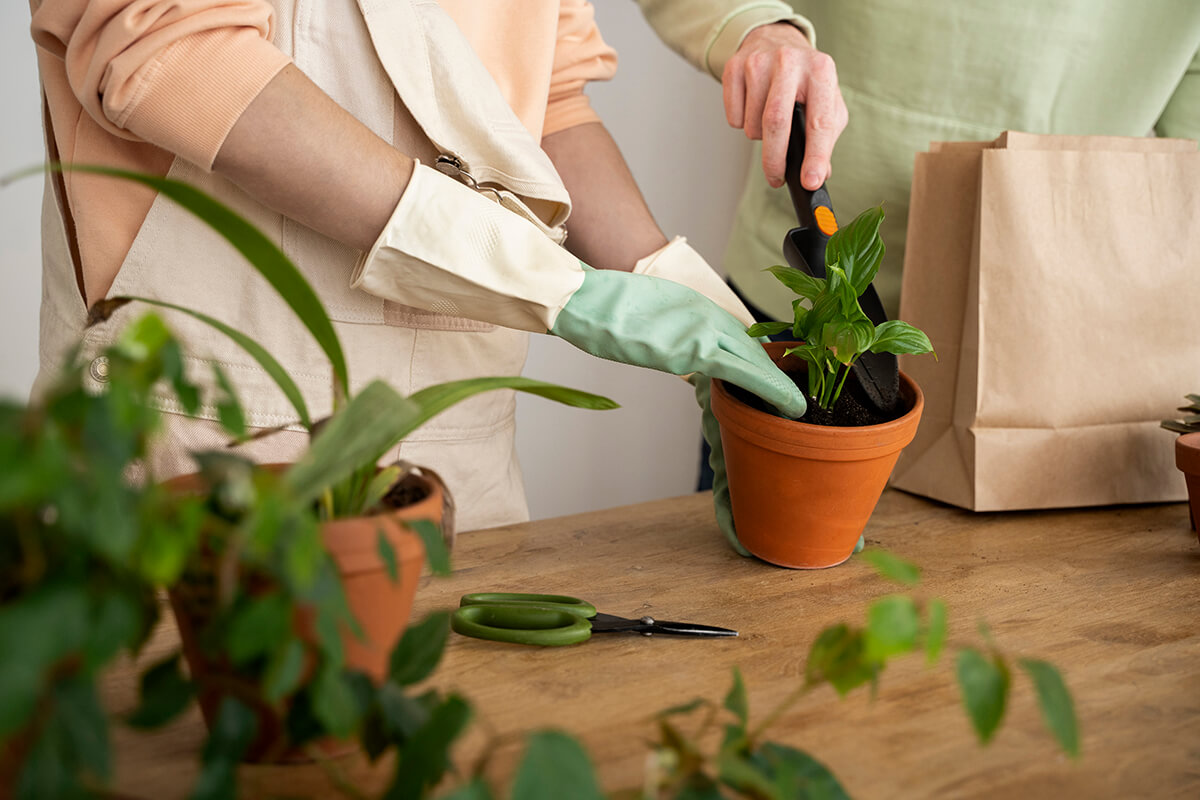
Curious about repotting carnivorous plants, but feeling a bit nervous? You’re not alone! Many budding plant parents worry that they’ll accidentally harm these unique and fascinating plants. The good news is, with a little guidance, anyone can safely refresh their Venus Flytrap, Pitcher Plant, or Sundew’s home—and help them thrive. Whether your leafy pets are outgrowing their pots, their soil looks tired, or you just want to give them a fresh start, repotting carnivorous plants can be a rewarding and confidence-boosting task. Let’s walk through it together so you and your plants can both grow.
Why Repotting Carnivorous Plants Is Important
Carnivorous plants don’t just grow in any old dirt. These amazing bug-eaters need special, nutrient-poor soils—usually a blend of peat moss and perlite or sand—that mimics their natural habitats. Over time, this soil breaks down, compacts, and can become too rich in minerals (which they hate!). That’s why, every year or two, repotting carnivorous plants is essential to keep them healthy and happy.
Signs Your Carnivorous Plant Needs Repotting
How do you know it’s time to repot? Watch for these simple clues:
- The plant looks crowded or roots are poking through the drainage holes.
- Water takes a long time to soak in, meaning the soil is compacted.
- Mold or green algae is growing on top.
- The plant’s leaves look weak or aren’t growing as well.
- It’s been more than 18 months since the last repotting.
What Supplies Do You Need for Repotting Carnivorous Plants?
Don’t worry, you won’t need a whole garden shed full of tools! Here’s a basic checklist:
1. New pot — Plastic or glazed ceramic, always with drainage holes.
2. Soil mix — Plain sphagnum peat moss plus perlite, or a pre-mixed carnivorous plant soil (never use regular potting soil).
3. Distilled or rain water — Tap water may contain minerals harmful to carnivorous plants.
4. A small spoon or your hands — For gently loosening roots and placing soil.
5. A tray or newspaper — To catch messes, especially in small apartments.
How to Repot Carnivorous Plants: Step-By-Step
Let’s take the mystery—and stress!—out of repotting carnivorous plants:
1. Prepare your new soil
Mix damp (not soggy) peat moss and perlite in roughly a 1:1 ratio. Avoid fertilizers.
2. Remove the plant from its pot
Tip the pot gently and support the base. If it sticks, softly tap the sides or squeeze the pot.
3. Examine the roots
Lightly shake off old soil. If you see brown, mushy roots, trim them gently with clean scissors.
4. Position in the new pot
Place a small amount of new mix in the bottom. Spread out the roots and fill around them, pressing very gently for stability.
5. Water and settle
Pour distilled or rain water over the new soil to help it settle and remove air pockets.
Can I Repot a Carnivorous Plant Any Time of Year?
It’s best to repot in early spring, just as your plant starts to wake up from winter rest. But if you notice urgent problems like root rot or pests, don’t wait—repotting carnivorous plants can be done carefully at any time.
What’s a Common Myth About Repotting Carnivorous Plants?
Myth: “Carnivorous plants are fragile and will die if you touch their roots or move them.”
The truth? Most carnivorous plants are more resilient than you’d think! If you handle them gently and use the right soil and water, they bounce back quickly. Don’t let this myth stop you from giving your plants the care they deserve.
Quick Recap: Key Tips for Success
- Use mineral-free soil and water
- Gently handle roots
- Repot every 1–2 years
- Don’t worry if the plant looks tired—some droop is normal right after repotting
Summary: Why Repotting Carnivorous Plants is Worth It
Repotting carnivorous plants doesn’t have to be intimidating! With a few simple tools and a gentle touch, you give your oddball green friends everything they need to thrive. Mistakes happen—even seasoned plant lovers learn from them. The important thing is to care, try, and repot when needed. Your plants will thank you with bold leaves and maybe even a bug snack or two.