Bringing greenery into your home can be one of the most comforting and rewarding decisions you make. Yet, keeping those new green friends healthy sometimes feels complicated—especially when it comes to watering. One lesser-known but crucial factor? Picking the right pot for watering plants. The right pot can mean the difference between growth and frustration, yellowing leaves or thriving vines. It’s normal to make mistakes, and no matter if you’re a brand new plant parent or just want to level up your care routine, this guide will walk you through everything you need to know about the perfect pot for watering plants and how it can change the life of your indoor garden.
Why Is the Right Pot for Watering Plants So Important?
Many people assume any container will do, but the truth is that a pot for watering plants plays a huge role in plant health. It’s not just about looking pretty—although style is fun! It’s about giving your plant’s roots the space, airflow, and moisture they need.
The right pot can help you avoid some common problems like:
- Roots sitting in water (which can cause root rot)
- Spilling water everywhere during watering
- Needing to water far too often, or not often enough
If you’ve ever lost a plant and felt discouraged, don’t worry. This is a common mistake, and it’s one you can easily fix.
What Makes a Good Pot for Watering Plants?
Let’s break down what to look for in your next pot:
1. Does It Have Drainage Holes?
Top on the checklist: make sure your pot for watering plants has one or more small holes in the bottom. This lets extra water escape, preventing your plant’s roots from drowning.
Pro tip: If you fall in love with a decorative pot with no holes, use it as a cachepot—just set a plastic pot with drainage holes inside it.
2. Is the Material Right for You and Your Plant?
- Plastic pots: Lightweight, affordable, and good for people who forget to water since they hold moisture longer.
- Terracotta (clay) pots: Allow moisture to evaporate, perfect for plants that like their soil to dry out between waterings (like succulents!).
- Ceramic pots: Often glazed, keeping more water in—fantastic for thirsty plants.
3. Is the Size Correct?
Plants need room to grow, but a pot that’s too big can cause soil to stay wet too long. Try to choose a pot that’s just a little bit wider than the current root ball, about 2 inches larger.
How to Water Houseplants in an Apartment: Practical Tips
Watering in a small space can be tricky. Here’s how to make it manageable and mess-free:
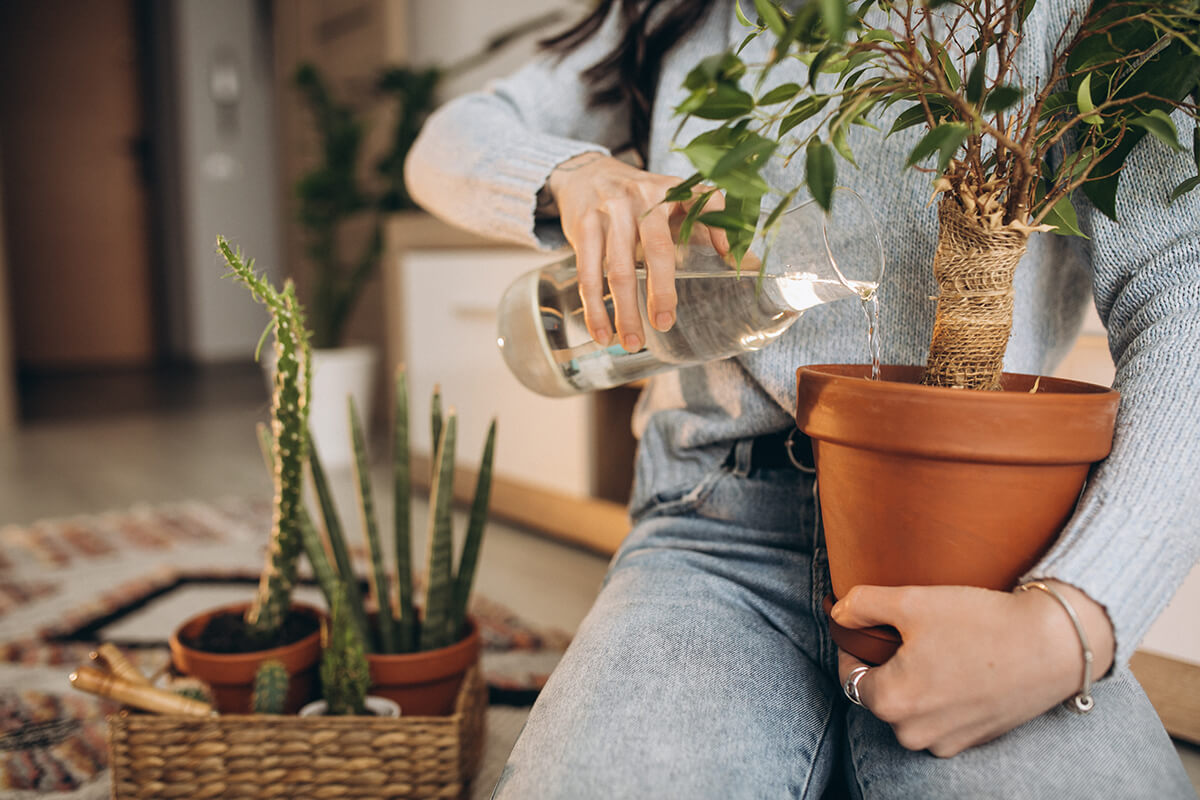
1. Set plants in the sink or bathtub to water them. Let the water drain through for a few minutes, then put the pot back on its saucer.
2. Use a watering can with a narrow spout to direct water and prevent spills.
3. Let soil dry out (just at the top—about an inch deep) before watering again.
4. Group plants with similar needs together to make things easier.
Busting Myths: Is a Layer of Rocks Good for Drainage?
A very common tip is to add a layer of rocks at the bottom of your pot for watering plants. However, this is actually not true! Rocks don’t improve drainage; they can hold water above the rock layer and cause root rot. Always rely on drainage holes instead.
Quick Reference: Features of an Ideal Pot for Watering Plants
- Has drainage holes
- Fits the plant’s root ball snugly
- Made of a suitable material (plastic for moisture, clay for drying)
- Easy to move and lift in your living space
- Decorative outer pot (optional)
Summary: Give Your Plant the Best Start With the Right Pot for Watering Plants
Taking care of houseplants is a joyful experience, and choosing the right pot for watering plants is one of the most important steps you can take. Look for drainage, the right material, and the right size—and don’t worry if you’ve made mistakes in the past. With a little care and the perfect pot, your indoor garden will thrive, bringing you both calm and beauty.