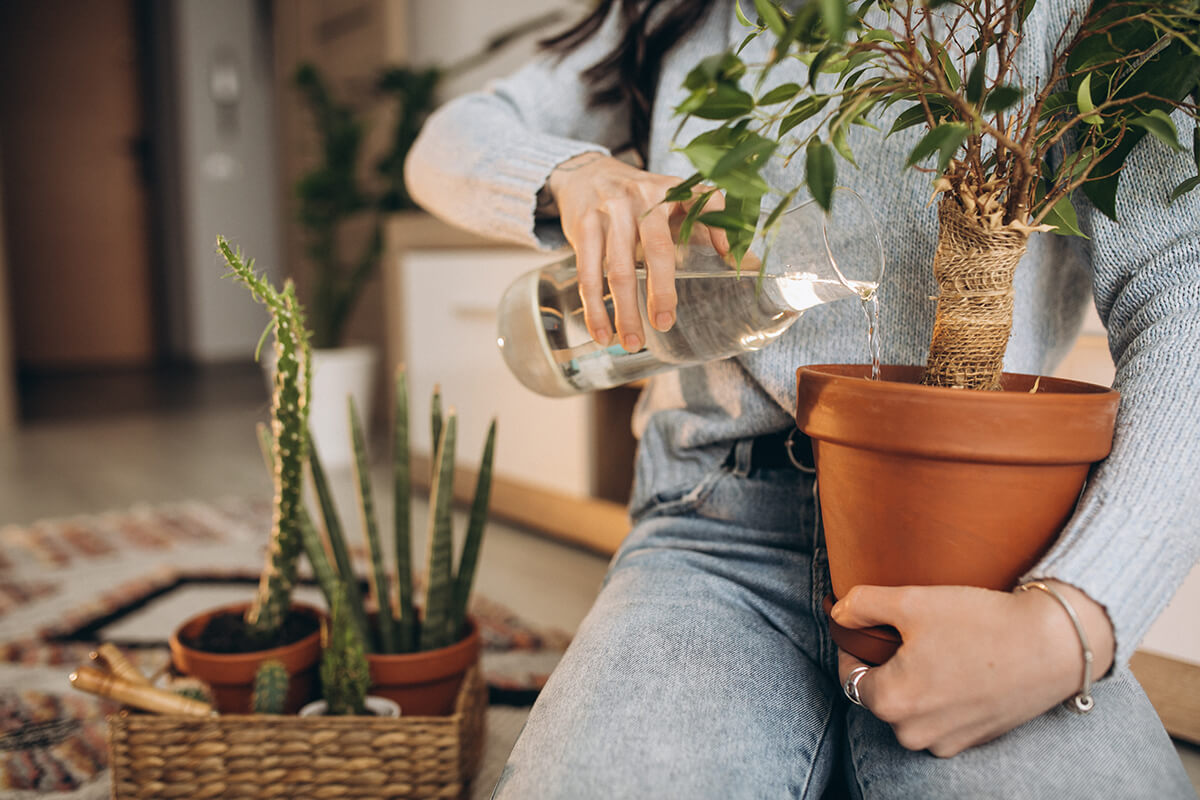
Bringing home a brand-new plant is exciting—there’s something special about adding greenery to your space, whether it’s a cozy apartment or a sunny windowsill. But what comes next? For many new plant parents, repotting plants after buying can seem unclear or even intimidating. Don’t worry! Repotting is easier (and less risky) than you might think. With a few tips and plenty of encouragement, you can help your plants thrive from day one. Let’s explore how, when, and why to repot, how to avoid common mistakes, and why giving your new green friend a fresh start is usually the best move.
Why Is Repotting Plants After Buying Important?
If you’re wondering whether moving your new plant into a different pot is truly necessary, you’re not alone. Here’s why repotting plants after buying is often a good idea:
- Root freedom: Many store-bought plants are “root-bound”—their roots circle tightly inside a small nursery pot. Freeing them helps roots spread and soak up nutrients.
- Fresh soil perks: Store pots often use a compact, nutrient-poor soil mix. Repotting gives your plant a boost with fresh, rich soil.
- Check plant health: Repotting lets you spot hidden problems like pests or mold early.
- Better drainage: Decorative pots may trap water, which can rot roots. The right pot helps excess water escape.
When Should You Repot a New Plant?
A common myth is that you *must* repot your plant right away, but timing depends on your plant’s needs and current health. Here’s a quick guide:
Signs You Should Repot Now
- Roots are poking out the bottom.
- The plant looks cramped or starts to wilt quickly after watering.
- The soil smells musty or never seems to dry out.
- There’s mold, fungus, or visible pests.
When to Wait
- The plant is flowering or you just bought it and it’s adjusting—sometimes moving too soon can stress it.
- It’s winter; many plants do best if repotted in spring or summer when they’re actively growing.
If in doubt, give your plant a week or two to adjust to its new environment, unless you see urgent signs mentioned above.
How to Repot: Step-by-Step for Beginners
Repotting plants after buying doesn’t need fancy tools. You’ll need:
- A new pot (1–2 inches wider than the old one) with good drainage holes
- Fresh houseplant soil
- A spoon or small garden trowel
- A protective mat or old newspaper
Step-by-Step Instructions:
1. Prep your pot: Place a small rock or broken pot shard over the drainage hole (optional, helps prevent soil leaks).
2. Loosen the plant: Gently tip the old pot sideways and tap the bottom. Support the base as you ease out the roots.
3. Check the roots: If roots circle tightly, gently tease them apart. Trim any black or mushy pieces.
4. Add soil: Put a layer of fresh soil in the bottom of the new pot.
5. Position your plant: Set the plant in the center, then fill around it with soil, firming lightly.
6. Water: Water thoroughly until it runs out the bottom. Empty any excess from trays or covers.
7. Let it settle: Keep the plant out of direct sun for a couple of days so it can adjust.
What If Something Goes Wrong?
Mistakes happen—and that’s okay! If your plant droops after repotting, it’s normal. Give it a little time, avoid overwatering, and help it settle into its new home. You’re learning, and your plant is, too.
5 Common Questions About Repotting Plants After Buying
1. Do I need special soil?
Standard “indoor plant” or “potting mix” is perfect for most plants. Cacti and orchids need their own mix.
2. How often should I repot?
Every 1–2 years or when roots outgrow the pot.
3. Can I repot into a fancy pot without drainage?
Not recommended—plants need drainage to avoid root rot.
4. Should I fertilize right after repotting?
Wait a few weeks; fresh soil has nutrients, and you don’t want to shock new roots.
5. Is it normal for leaves to drop after repotting?
Yes, a few dropped leaves are okay. As long as new growth appears, your plant is happy.
Busting the Big Myth: Store Pots are “Home Enough”
It’s a common misconception that the pot and soil from a garden center are perfectly fine for long-term plant health. In reality, nursery pots are meant for transport and temporary growth. Giving your plant a new pot is like moving it from a tiny apartment to a spacious home—it can finally stretch and flourish!
Final Thoughts: Nurturing Through Repotting Plants After Buying
Repotting plants after buying is not just about changing a container—it’s your first act of care for your new leafy friend. Even if you worry about making mistakes, remember that your willingness to learn is what matters most. Take your time, be gentle, and enjoy the process. Soon, you and your plant will both feel right at home.