Starting or growing your indoor garden is so rewarding, but it often comes with lots of learning along the way. Whether you’ve nurtured a potted plant for months or rescued a droopy specimen from the store, one essential yet often-overlooked practice is repotting. The benefits of repotting plants are immense, touching everything from the health of your green friend to the peace of mind you get knowing your plant is thriving. If you’ve ever hesitated, worried you might mess up, don’t worry! Every plant lover starts somewhere, and learning to repot is a wonderful next step.
What Are the Benefits of Repotting Plants?
If you’re unsure whether repotting is really necessary, here’s the good news: it isn’t just about ‘upgrading’ your plant. The benefits of repotting plants reach far beyond aesthetics or just giving your plant more room.
- Fresher soil means more nutrients: Potting soil loses vitality over time. Repotting lets you swap out tired dirt for fresh, nutrient-rich mix.
- Root health improves: Plants can become root-bound, meaning roots circle tightly and have no space. A new pot gives them breathing room.
- Better water drainage: Fresh soil and a pot with proper drainage help prevent soggy roots, which is a common cause of plant woes.
- Pest and disease control: Removing old soil can help break the cycle of pests or bacteria that may lurk unseen.
- Boosted growth: Plants often perk up or start growing more vigorously after a repot, especially in spring.
How Can You Tell When a Plant Needs Repotting?
You don’t need to wait until your plant looks unhappy. Here are signs it’s time for a change:
1. Roots are growing out of the drainage hole.
2. The plant dries out quickly, no matter how much you water.
3. It looks top-heavy or leans to one side.
4. Soil is hard, pale, or shrinking away from the edges of the pot.
Seeing any of these? Relax—these are natural signals, not failures. Many beginner plant parents worry they may hurt their plants by repotting, but gentle handling is usually all it takes.
Is Bigger Always Better? Debunking a Common Myth
A very common misconception is that a much bigger pot is always ideal during repotting. Actually, moving a small plant into an oversized pot can do more harm than good, increasing the risk of soggy roots and slowing growth. The sweet spot is a pot just 1-2 inches larger in diameter than the current one.
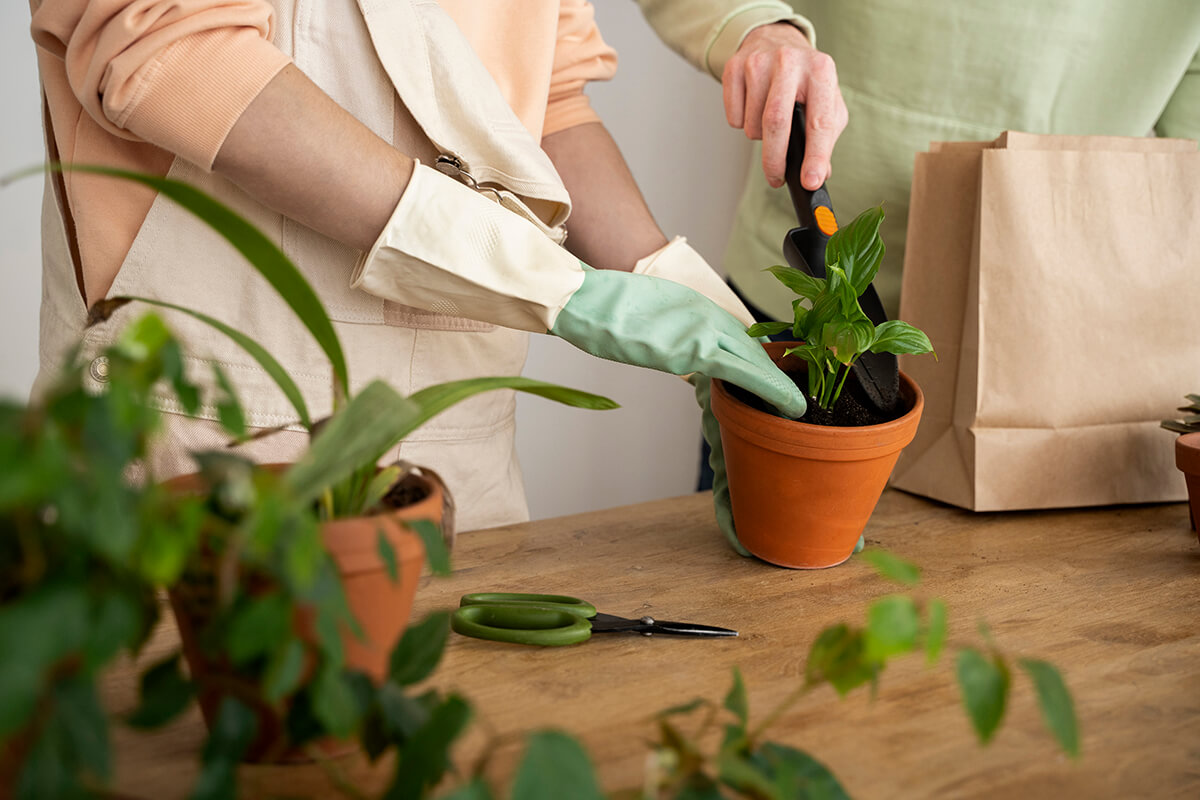
Step-by-Step: How to Repot Your Apartment Plants Safely
Repotting doesn’t require fancy tools. Here’s a friendly guide to get you started:
1. Prepare your space. Use an old towel, newspapers, or plastic sheet to catch stray soil.
2. Gently slide the plant out. Squeeze the pot’s sides to loosen the soil. If roots are tight, gently tease them apart.
3. Check the roots. Trim away black, mushy, or fine wispy roots—they’re likely dead.
4. Add new soil. Place a base layer of fresh soil in your new pot.
5. Rehome your plant. Position your plant, fill around it with soil, and firm down gently.
6. Water thoroughly. This helps settle new soil.
Most importantly—don’t stress if it’s a little messy or not perfect. Plants are tougher than they look!
Summary: The Lasting Benefits of Repotting Plants
Repotting may seem intimidating at first, but it’s a wonderful step toward a healthy, thriving indoor jungle. The main benefits of repotting plants include fresher nutrients, healthier roots, improved drainage, better pest control, and a boost in growth. Whether your plant is long overdue for a new home or just starting to outgrow its old one, taking this step is truly giving your green friend a new lease on life.