The Spotted laurel (Aucuba japonica) is a charming and resilient houseplant, famous for its glossy green leaves sprinkled with golden-yellow spots. If you’re considering growing a Spotted laurel indoors, you may be wondering just how much light it needs to thrive. The good news is that Aucuba japonica isn’t a fussy roommate, but understanding its light requirements can make all the difference between a happy, bushy plant and one that struggles. This guide will walk you through everything you need to know—even if you don’t have a ‘perfect’ window.
What Are the Ideal Light Conditions for Spotted Laurel (Aucuba japonica)?
How Much Light Does Spotted Laurel Need Each Day?
Spotted laurel naturally grows in the shaded woodlands of East Asia. This means it’s adapted to low and dappled light rather than blinding midday sun. Indoors, it prefers:
- Bright, indirect light — Not too much, not too little!
- About 6-8 hours of indirect light daily is perfect, though it can survive on less if needed.
Aucuba japonica’s ideal spot is near a north or east-facing window, where it receives gentle morning light but is shielded from strong afternoon sun. South or west-facing rooms can also work—just keep the plant a few feet away from the window, behind sheer curtains if possible.
Where Should I Put My Spotted Laurel in the Room?
Best Indoor Placement Tips
Finding the right spot in your apartment or home is key. Here are some ideas:
- Near a bright window but out of direct sun (ideal)
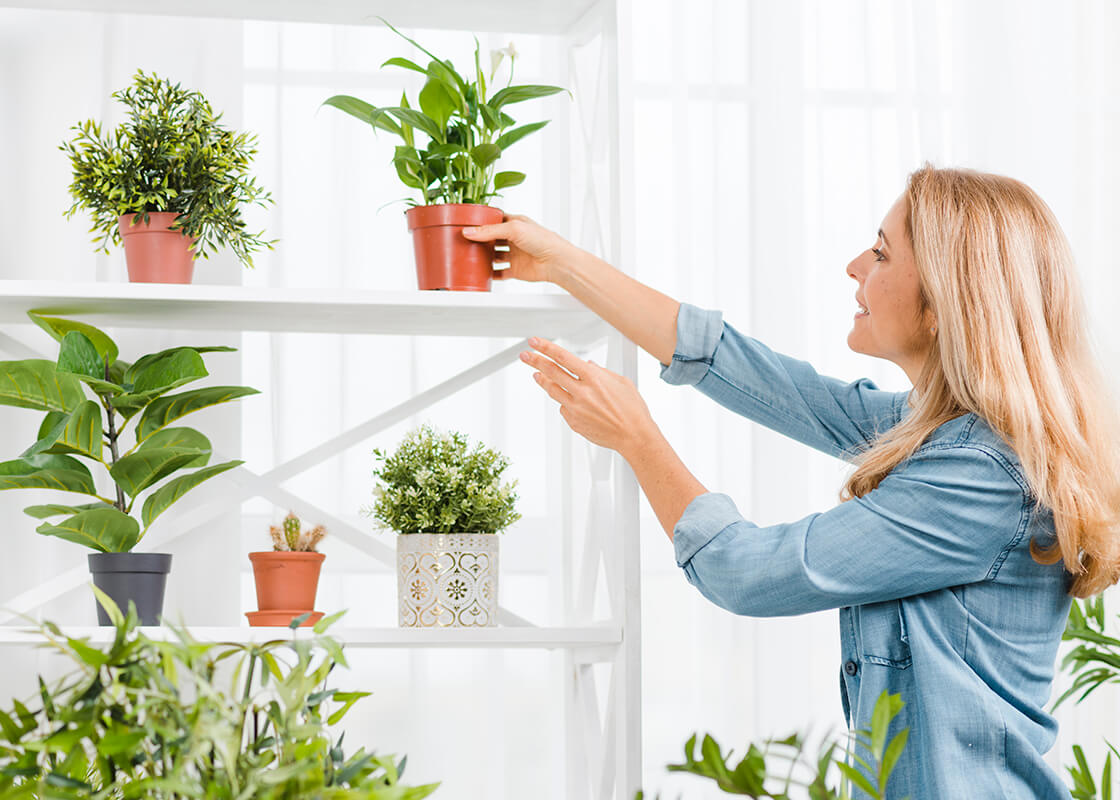
- On a table or shelf across from a window
- In a hallway or living room with steady, diffused daylight
- Well-lit bathrooms (surprisingly, they can be happy here!)
Avoid placing your Spotted laurel right up against windows with harsh sun, especially in the afternoons. Too much direct sunlight can scorch its beautiful leaves.
Can Spotted Laurel Tolerate Direct Sun or Shade?
Direct Sun:
Aucuba japonica does not tolerate strong, hot direct sunlight well. A touch of soft morning sun is fine, but long hours of direct afternoon sun will make the leaves pale, brown, or crispy at the edges.
Shade:
One of the things that makes Spotted laurel so lovable is its tolerance for shade. It will happily grow in low-light corners, though its growth may slow, and variegation (the yellow spots) could become less striking.
How to Tell If Your Room Is Bright Enough
Don’t worry if you aren’t sure! Here’s a simple way to check:
1. Hold your hand up in the spot where you want to keep the plant.
2. Look at the shadow on the wall or table.
- Is it soft and blurry? That’s indirect light—great!
- Is there no shadow? Light is low but possibly enough.
- Is the shadow crisp and dark? That’s strong direct light—use caution!
Signs Your Spotted Laurel Needs More Light
Watch out for these signals:
- Leaves lose their yellow spots and turn plain green.
- New leaves grow smaller than the old ones.
- Growth becomes extra slow or stops completely.
- Lower leaves yellow and drop off.
If you notice any of these, try moving your Aucuba japonica a bit closer to a natural light source or add a gentle grow light as backup.
How to Mimic Natural Conditions Indoors
If your space is dim, don’t despair! Here are some easy ways to help your Spotted laurel thrive:
- Use sheer curtains to diffuse strong sunlight.
- Place the plant closer to windows in winter, when days are shorter.
- Supplement with a simple LED grow light for a few hours in the evening.
- Rotate the pot weekly for even growth.
Summary: Light Requirements for Spotted Laurel
Spotted laurel (Aucuba japonica) is a flexible, shade-tolerant houseplant, happiest in bright but indirect light for several hours a day. Avoid hot direct sun, but don’t worry if your space is a little dim—just adjust its location or add a grow light if you see signs of struggle. With the right light, your Spotted laurel will reward you with lush, spotty leaves and forgiving nature. It’s never too late to help your plant shine!